
Cast grinding balls storage and handling best practices
Cast grinding balls should be stored and handled as performance-critical consumables rather than as simple bulk inventory. The best practices begin at receiving, where plant teams should verify product size, grade, quantity, packaging condition, batch identification, and quality documents. Any moisture, damage, or contamination should be recorded before unloading. Covered, dry, and well-ventilated storage is preferred, with pallets or racks keeping media away from damp floors. Stacking heights should respect packaging limits, and storage bays should be clearly labeled by diameter, chromium grade, batch, and receiving date. First-in, first-out rotation and simple stock records improve traceability and help prevent unintended mixing of sizes or grades.
Handling should minimize impact and contamination. Forklifts, hoists, bins, and charging equipment should be suitable for heavy media, and bags or containers should not be dropped from height or dragged through wet areas. Opened packaging should be resealed, and storage areas should be kept free from mud, oil, chemicals, and standing water. Personnel should be trained in safe stacking, forklift traffic rules, housekeeping, and inspection. Before charging, the correct size distribution should be confirmed, feeders and chutes should be clean, and any foreign material or obviously damaged balls should be removed.
Supplier quality and plant practice reinforce each other. Shandong Allstar Grinding Ball Co., Ltd., known as ALLSTAR grinding balls, has manufactured grinding media since 1985 and produces forged grinding balls, cast grinding balls, high chrome grinding balls, grinding rods, and grinding cylpebs. Its 15,000 square metre facilities, 150 employees, and 100,000 metric ton annual capacity support mining, cement, and power generation customers. ALLSTAR controls raw materials, batch sampling, heat treatment checks, and final inspection, and maintains ISO 9001 certification with third-party inspection support such as SGS, BV, and TÜV. Field results, including trials at Pinto Valley Mine and long-term performance at Turkey YD Madencilik, demonstrate the value of consistent grinding media. When plants combine reliable products with disciplined storage and handling, they are better positioned to reduce breakage, control media consumption, maintain stable mill operation, and protect overall grinding costs.
Cast grinding balls are essential consumables in many mineral processing, cement, and power generation operations. Their performance is influenced not only by chemical composition, hardness, and manufacturing quality but also by how they are received, stored, handled, and charged into the mill. Poor storage and handling practices can introduce moisture, contamination, impact damage, and inventory confusion, all of which may reduce grinding efficiency and increase operating costs. A disciplined approach to cast grinding ball storage and handling helps plants protect product quality, maintain stable mill operation, and achieve predictable grinding media consumption.
Shandong Allstar Grinding Ball Co., Ltd., known as ALLSTAR grinding balls, has manufactured grinding media since 1985. The company was originally a state-owned enterprise and became a privately operated company in 1999, while continuing to uphold rigorous management standards and strict quality control. ALLSTAR specializes in forged grinding balls, cast grinding balls, high chrome grinding balls, grinding rods, and grinding cylpebs for the mining, cement, and power generation industries. Its production facilities cover 15,000 square metres, employ 150 people, and support an annual grinding media production capacity of 100,000 metric tons. This manufacturing background is relevant to storage and handling because consistent product quality at the factory must be preserved through the supply chain and at the plant site.
Why Storage and Handling Deserve Attention
Cast grinding balls are often delivered in large quantities and stored for weeks or months before use. During this period, they may be exposed to rain, humid air, dust, mud, and repeated mechanical handling. High chrome cast grinding balls generally offer good wear resistance, but no grinding media should be treated carelessly. Wet or contaminated balls can affect feeding systems, create handling difficulties, and complicate quality verification. Impact damage from dropping or rough forklift handling can also produce cracks or surface defects that may lead to premature breakage in the mill.
undefined
Storage and handling are also inventory control issues. Different ball diameters, chromium grades, and production batches must remain clearly separated. Mixing sizes or grades can disturb the intended ball charge, alter grinding kinetics, and make performance evaluation difficult. For plants that operate multiple mills or process different ores, traceability from delivery to mill charge is a practical requirement rather than an administrative extra.
Receiving Inspection and Documentation
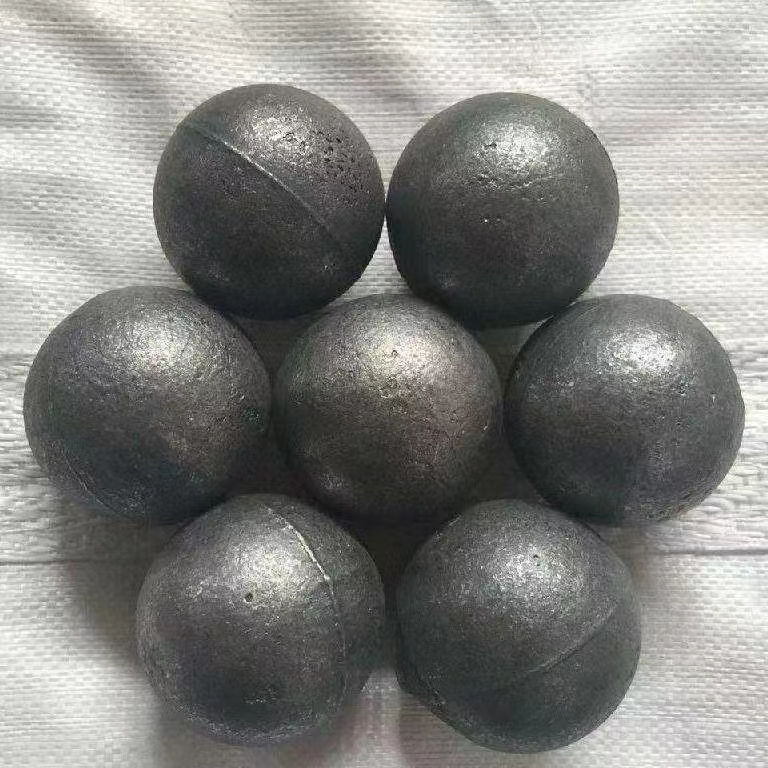
The receiving area is the first control point. Cast grinding balls should be checked against the purchase order, packing list, and quality documents before unloading. The inspection should confirm ball diameter, grade, quantity, packaging condition, and batch identification. Any signs of water ingress, torn packaging, heavy rust, or physical damage should be recorded and photographed.
- Verify the supplier name, product type, size range, and chromium grade against the delivery documents.
- Check labels for batch or heat number, production date, and quantity.
- Inspect bags, bins, or containers for tears, moisture, and contamination.
- Record any visible damage before unloading begins.
- Retain quality certificates and inspection records for traceability.
ALLSTAR supports product quality verification through professional testing and third-party inspection services, including SGS, BV, and TÜV, and maintains an ISO 9001 Quality Management System. Such documentation is valuable at receiving because it links the delivered product to defined quality controls. The receiving team should file these records together with internal inspection notes so that later questions about batch performance can be answered quickly.
Storage Environment and Layout
Cast grinding balls should be stored in a dry, covered, and well-ventilated area. Indoor storage is preferred, especially in regions with high rainfall or humidity. If outdoor storage cannot be avoided, the storage area should be paved, drained, and covered with strong weather protection. Balls should never sit directly on wet ground or in standing water.
Indoor, Dry, and Ventilated Conditions
Good ventilation reduces condensation and helps keep packaging dry. Storage buildings should be inspected for roof leaks, wall openings, and drainage problems. Balls delivered in bags or sacks should be placed on pallets or racks rather than directly on concrete floors, because concrete can transmit moisture and encourage corrosion. High chrome cast grinding balls are not immune to surface staining or corrosion in prolonged wet conditions, and wet media can also create handling and feeding problems.
Stacking, Racking, and Floor Protection
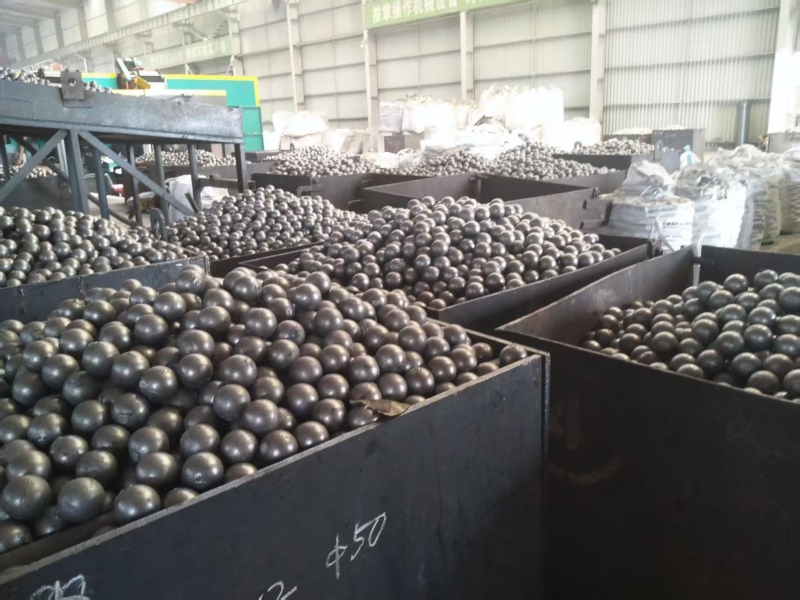
Stacking height should respect packaging strength and safety requirements. Over-stacked bags may split, causing balls to roll and creating a hazard. Bins and containers should be placed on level ground with enough clearance for forklifts and inspection. Where racks are used, they should be rated for the load and checked regularly for deformation. Floor protection also matters: pallets, mats, or raised platforms keep media away from damp surfaces and improve air circulation.
Segregation by Size, Grade, and Batch
Different ball sizes and grades should be stored in clearly marked zones. Labels should show diameter, product type, chromium grade, batch number, quantity, and receiving date. Physical separation is particularly important for high chrome cast grinding balls used in cement and power stations, because these products may be selected for specific wear and grinding conditions. A simple color-code or bay-number system can reduce the risk of charging the wrong product into a mill.
Handling Practices from Truck to Mill
Handling should minimize impact, rolling, and contamination. Forklift operators should use suitable attachments and avoid pushing or dropping bags and bins. Balls that fall from height should be inspected and, where appropriate, isolated from normal production stock. Loading and unloading areas should be kept clean and free from mud, oil, and chemical spills.
- Use forklifts, hoists, or bins designed for the weight and flow characteristics of grinding media.
- Avoid dropping bags or containers from height onto hard surfaces.
- Do not drag bags across rough ground or through wet areas.
- Keep handling equipment clean to prevent contamination.
- Inspect media before charging into the mill and remove any obviously damaged or foreign material.
Personnel should wear appropriate personal protective equipment, including safety shoes, gloves, and eye protection where required. Grinding balls are heavy and can roll unexpectedly, so pedestrian routes should be separated from forklift and truck traffic. Good housekeeping around storage bays also prevents small spills from becoming larger handling problems.
Moisture, Corrosion, and Contamination Control
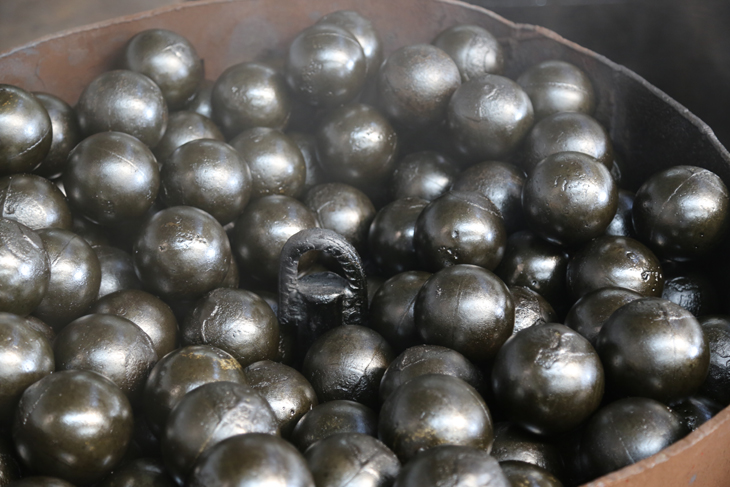
Moisture control is a central concern. Balls should be kept under cover, and packaging should be closed after partial use. If a bag is opened for sampling or trial charging, the remaining product should be resealed or placed in a clean, dry container. Wet storage areas should be corrected quickly, and any water leaks should be repaired without delay. In humid climates, air circulation and regular inspection are more effective than simply covering piles and hoping for the best.
Contamination control is equally important. Cast grinding balls should not be stored near chemicals, salts, or materials that may promote corrosion or leave residues. Sand, soil, and cement dust should be cleaned from storage areas because they can enter handling systems and affect feeding. Clean storage conditions also make visual inspection more reliable.
Inventory Rotation and Traceability
First-in, first-out inventory rotation helps prevent excessive aging and supports consistent performance. Older stock should be used before newer deliveries, provided that quality has been maintained. Stock levels should be reviewed regularly, and slow-moving sizes should be identified so that purchasing decisions remain aligned with actual mill requirements. A simple stock register should record receipt date, batch, size, grade, location, and quantity issued to the mill.
Traceability is useful when a plant evaluates grinding performance. If a mill reports a change in ball consumption, breakage rate, or grinding fineness, the operations team can review which batch was charged and when. This is especially helpful in mining applications where forged grinding balls are commonly selected for wet grinding and cast grinding balls are often used in dry grinding operations. The final selection should always consider the actual operating conditions, but good records make that selection easier to verify.
Loading, Transport, and Site Receipt
When cast grinding balls are transported between warehouse and plant, loads should be secured to prevent rolling and shifting. Bags and bins should be protected from rain during transit. At the site, the receiving team should repeat the same inspection routine used at the main warehouse: confirm quantity, check packaging, look for moisture, and record batch details. A short receiving checklist can prevent small issues from becoming production problems.
Charging Balls into the Mill
Charging is the final handling step and one of the most important. The correct size distribution should be confirmed before balls are added to the mill. Larger grinding media are generally used in the first chamber for coarse grinding, while smaller media are used in the second chamber for fine grinding. Mixing sizes unintentionally can affect power draw, grinding efficiency, and product fineness. Feeders, hoppers, and charging chutes should be clean and in good condition, and any foreign material should be removed before charging begins.
Safety, Training, and Housekeeping
Safe storage and handling depend on trained personnel. Workers should understand stacking limits, forklift rules, inspection requirements, and emergency procedures. Housekeeping should be part of the daily routine, not a periodic clean-up exercise. Clear aisles, stable stacks, labeled bays, and dry floors reduce accidents and make inventory checks faster. Regular audits can confirm that storage conditions remain acceptable during busy production periods.
Supplier Selection and Quality Assurance
Storage and handling practices are most effective when the supplied media are consistent to begin with. ALLSTAR controls quality from raw materials through production. Round steel bars for forged grinding balls and grinding rods are sourced from large state-owned steel mills in China, and incoming materials are sampled and tested for chemical composition. For cast grinding balls, raw materials such as ferrochrome and iron scrap are proportioned and melted according to the required product grade, with chemical composition analyzed after melting. Samples are taken from each production batch, and finished products are tested after heat treatment.
This disciplined manufacturing approach supports reliable performance in the field. In a comparative trial at Pinto Valley Mine in the USA, ALLSTAR high-chrome grinding balls achieved stable consumption of 0.56–0.59 kg per tonne of run-of-mine ore with a breakage rate of only 0.2%. The other supplier reached 0.68 kg per tonne with a breakage rate close to 3%. The mill using ALLSTAR balls also recorded higher output and better grinding fineness. At Turkey YD Madencilik, combined grinding-ball consumption fell from 84.80 g/t in 2016 to 31.93 g/t in 2018 and reached 25.66 g/t in 2025. Such results reflect product quality, but they are best protected when plants also follow sound storage and handling practices.
Common Mistakes to Avoid
- Storing cast grinding balls directly on wet ground or in uncovered areas.
- Mixing different ball sizes, grades, or batches without clear labeling.
- Dropping bags or bins from height during unloading.
- Using opened bags without resealing them after sampling.
- Charging media without checking for contamination or visible damage.
- Ignoring first-in, first-out rotation and allowing old stock to accumulate.
Conclusion
Effective storage and handling of cast grinding balls are practical disciplines that protect product quality, reduce safety risks, and support stable grinding performance. Dry, ventilated storage, clear segregation, careful forklift handling, moisture control, inventory rotation, and traceable charging all contribute to better outcomes. For plants working with high chrome cast grinding balls, forged grinding balls, or grinding rods, these practices help ensure that the quality built into the product reaches the mill intact. ALLSTAR grinding balls combines manufacturing experience, strict quality control, and application knowledge to support reliable grinding media solutions for global mining, cement, and power generation customers.


