
Cement mill grinding balls sourcing tips for plant buyers
Cement mill grinding balls should be sourced through a structured technical and commercial process. Plant buyers should first define the mill circuit, chamber duty, feed material, target fineness and operating conditions. Media type, size range and chromium grade should then be matched to the application. Forged, cast, high chrome and rod media are not interchangeable, and selection should consider impact conditions, abrasion and grinding stage. Buyers should look beyond hardness and request chemical composition, toughness, breakage rate, wear rate and batch inspection data. Supplier evaluation should cover raw material control, melting and chemical analysis, forging or hot rolling, coated-sand molding, heat treatment and final testing. ISO 9001 and third-party inspection support such as SGS, BV or TUV can add confidence. Real application evidence is valuable. Comparative trial data and cement plant references can show how media affects consumption, breakage, mill output and fineness. A fair trial should record tonnes processed, energy use, media consumption, breakage, downtime and product quality. Commercial review should compare total grinding cost rather than price per tonne alone, and should confirm capacity, lead time, packaging and traceability. Long-term supplier stability, quality culture and technical support are also important. Suppliers such as Allstar illustrate how manufacturing scale, product range and application experience can support cement plant buyers, but final selection should still be based on verified specifications, samples and trial results.
For cement plant buyers, grinding balls are not a simple commodity purchase. They influence mill throughput, power use, maintenance planning, product fineness and the total cost of grinding. A low-priced ball can become expensive if it breaks early, wears quickly or disrupts stable mill operation. A sourcing decision therefore deserves the same discipline as any other critical consumable purchase: clear technical requirements, verified supplier capability, trial evidence and commercial terms that reflect long-term performance.
Begin with the Mill and the Grinding Circuit
Before comparing suppliers, plant buyers should define the operating context. The mill type, chamber configuration, feed material, clinker hardness, slag content, fly ash characteristics, target fineness and production rate all affect grinding media selection. Larger grinding balls are generally used in the first chamber for coarse grinding and breaking larger particles. Smaller balls are commonly used in the second chamber for fine grinding. A supplier that understands these differences can recommend a more suitable media specification instead of offering a generic product.
Cement plants often operate combined roller press and ball mill systems, and the grinding media demand can differ from a conventional ball mill circuit. Difficult-to-grind materials such as slag and coarse fly ash can raise consumption and increase breakage risk. Buyers should share representative operating data with potential suppliers, including mill dimensions, current media size distribution, hourly output, power consumption, wear rate and any recurring quality issues.
Match Media Type to the Application
Grinding media is not one product. Forged grinding balls, cast grinding balls, high chrome grinding balls and grinding rods serve different duties. In mining applications, forged grinding balls are commonly selected for wet grinding, while cast grinding balls are often used in dry grinding operations. High chrome cast grinding balls are widely used in cement plants and power stations. Grinding rods are mainly used in rod mills for mineral processing. The final selection should always consider actual operating conditions rather than a single hardness number.
undefined
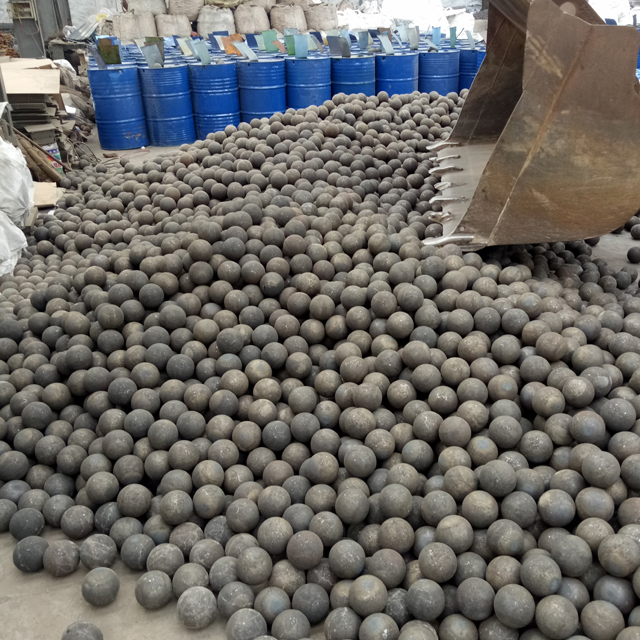
Product range matters because a cement plant may need multiple sizes and grades across different chambers or circuits. A supplier that manufactures forged grinding balls from 20 mm to 150 mm, cast grinding balls from 6 mm to 150 mm and grinding rods from 25 mm to 140 mm can support more flexible media planning. Buyers should confirm that the proposed size range, chromium grade and manufacturing route align with the mill duty and the plant maintenance schedule.
Look Beyond Hardness When Defining Specifications
Hardness is important, but it is not the only indicator of grinding ball performance. Buyers should ask for chemical composition, size tolerance, impact toughness, breakage rate, wear rate and microstructure information. A ball that is too hard may become brittle, while a ball that is too soft may wear rapidly. The right balance depends on impact conditions, abrasion, mill speed and material characteristics.
For high chrome media, chromium content and heat treatment control are especially relevant in cement and power applications. For forged media, raw material quality and forging or hot-rolling practice influence internal soundness and consistency. A responsible supplier should be able to explain how these variables are controlled and how batch samples are verified.
Evaluate Manufacturing Control and Quality Assurance
Supplier evaluation should include the manufacturing process, not only the final certificate. Quality control begins with raw materials. For forged grinding balls and grinding rods, round steel bars may be sourced from large state-owned steel mills in China. Incoming materials should be sampled and tested for chemical composition. For cast grinding balls, raw materials such as ferrochrome and iron scrap should be proportioned and melted according to the required product grade, with chemical analysis after melting to confirm the molten metal meets specification.
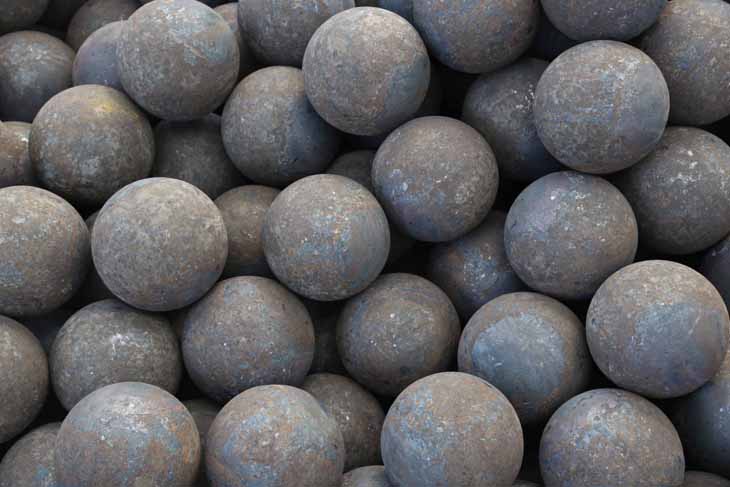
Buyers should also ask about forming and heat treatment. Air hammer forging, hot rolling, coated-sand shell molding and automated production lines can support consistent manufacturing quality when properly controlled. Inspection should occur throughout production, with samples taken from each batch and finished products tested after heat treatment. An ISO 9001 quality management system, together with third-party inspection support such as SGS, BV or TUV, can provide additional confidence for international buyers.
Ask for Application Evidence and Trial Data
Technical data sheets are useful, but real operating results are more persuasive. Buyers should request references from similar mills and, where possible, review controlled trial data. In one comparative trial at Pinto Valley Mine in the USA, Allstar high chrome grinding balls were used in one ball mill while another manufacturer supplied the second mill. Over nearly six months, Allstar consumption remained stable at 0.56 to 0.59 kg per tonne of run-of-mine ore, with a breakage rate of only 0.2 percent. The other supplier reached 0.68 kg per tonne with a breakage rate close to 3 percent. The mill using the competitor products also recorded more than 70 tonnes per hour lower output and over 5 percentage points lower grinding fineness. After the trial, the customer replaced the second mill media with Allstar products, and daily processing capacity later reached 53,000 tonnes, exceeding the designed capacity of 50,000 tonnes.
Cement-specific evidence is equally valuable. At Turkey YD Madencilik, a combined roller press and ball mill system had historically high grinding media consumption because of difficult materials such as slag and coarse fly ash. After both mills were switched to Allstar products in 2016, combined grinding ball consumption fell from 84.80 g/t in 2016 to 31.93 g/t in 2018. The improvement was sustained, reaching 25.66 g/t in 2025, approximately 69.7 percent below the 2016 baseline. Such results show why buyers should compare media on consumption, breakage, mill stability and output rather than price per tonne alone.
Design a Fair Trial Before Committing
A structured trial protects both the plant and the supplier. Buyers should establish a baseline period, record current consumption and breakage, define key performance indicators and agree on measurement methods. A useful trial compares one mill or chamber against a control, tracks tonnes processed, kWh per tonne, fineness, media consumption in g/t or kg/t, breakage rate, mill downtime and rejected product. The trial should run long enough to capture normal operating variability.
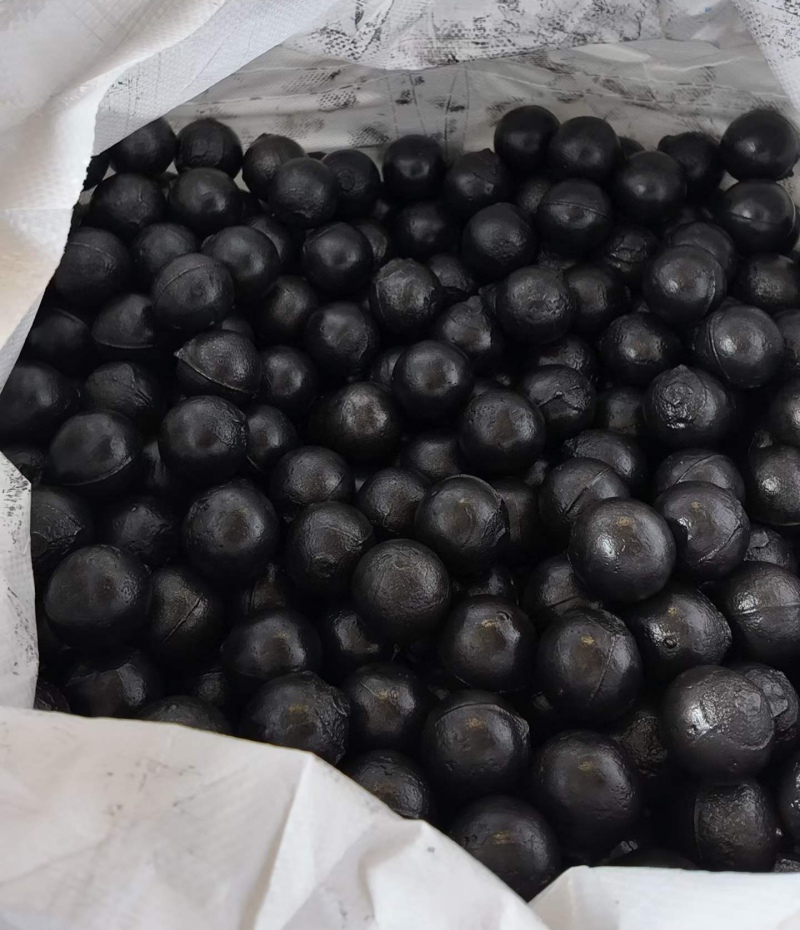
Commercial terms should also reflect the trial outcome. Buyers can ask for batch traceability, packaging details, lead time, minimum order quantity, warranty provisions and technical support during commissioning. For international plants, logistics and inventory planning matter as much as factory capability. A supplier with sufficient production capacity and export experience can reduce supply risk.
Assess Supplier Stability and Partnership Potential
Grinding media sourcing works best as a long-term partnership. Buyers should review the supplier history, production scale and quality culture. Allstar, formally Shandong Allstar Grinding Ball Co., Ltd., was established in 1985 as a state-owned enterprise and became privately operated in 1999. It has continued to uphold rigorous management standards and strict quality control, with integrity as a fundamental business principle. The company operates 15,000 square metres of production facilities, employs 150 people and has an annual grinding media production capacity of 100,000 metric tons.
Allstar specializes in manufacturing SAG mill and ball mill grinding media for the mining, cement and power generation industries. Its product range includes forged grinding balls, cast grinding balls, high chrome grinding balls and grinding rods. The company has also received recognition as a High and New Technology Enterprise and as a Specialized, Sophisticated, Distinctive and Innovative Enterprise. For plant buyers, these credentials are useful indicators, but they should still be matched with sample testing, reference checks and clear quality agreements.
Use a Practical Sourcing Checklist
- Define mill type, chamber duty, feed material and target fineness.
- Confirm suitable media type, size range and chromium grade.
- Request chemical composition, hardness, toughness and breakage data.
- Review raw material control, heat treatment and batch inspection.
- Check ISO 9001 and third-party inspection support.
- Ask for references from similar cement or mining applications.
- Agree trial KPIs, duration and measurement methods.
- Compare total grinding cost, not only purchase price.
- Confirm capacity, lead time, packaging and traceability.
Cement plant buyers do not need the cheapest grinding ball in the market. They need a media product that stays stable in the mill, protects output, controls consumption and supports predictable maintenance. By combining technical selection, supplier audits, trial evidence and long-term commercial review, buyers can make sourcing decisions that create measurable value for the plant.


