Cost-effective grinding media supplier audit tips
A cost-effective grinding media supplier audit should focus on total grinding cost rather than the lowest price per tonne. Auditors should first confirm the supplier's history, ownership, production capacity and specialization. A supplier with decades of manufacturing experience, clear quality management and sufficient capacity is generally better positioned to support long-term supply. The audit should then verify product range and specifications, including forged grinding balls, cast grinding balls, high chrome grinding balls and grinding rods, and confirm that the supplier can recommend suitable media for different mills, ores and operating conditions. Raw material controls are critical. Auditors should review incoming steel bar inspection, chemical composition testing, ferrochrome and scrap proportioning, and melt analysis. Manufacturing controls should cover forging, hot-rolling, casting, molding, heat treatment, batch sampling and finished product testing. Performance claims should be supported by trial data and customer references. Documented examples, such as stable consumption and low breakage in comparative mill trials, are more valuable than specification sheets alone. Certifications such as ISO 9001, SGS, BV and TUV reports, plus government innovation recognitions, should be verified for validity and scope. Commercial review should examine lead times, packaging, logistics, technical service, complaint handling and long-term partnership terms. A practical checklist helps auditors compare suppliers consistently. The final decision should consider media consumption, breakage rate, mill throughput, grinding fineness, delivery reliability and technical support. By combining desk review, site inspection, sample testing and reference checks, procurement teams can identify suppliers that deliver consistent quality, dependable performance and measurable economic value.
Cost-Effective Grinding Media Supplier Audit Tips
A cost-effective grinding media supplier is not simply the supplier with the lowest quoted price per tonne. For mining, cement and power generation operations, grinding media is a recurring consumable that affects mill throughput, energy use, breakage rates, liner wear, downtime and final product fineness. A disciplined supplier audit therefore examines total cost of ownership rather than invoice price alone. Third-party procurement teams, technical auditors and plant managers can use a structured audit approach to identify suppliers that combine stable quality, practical application knowledge and reliable long-term supply.
The audit should begin with supplier identity, ownership history and manufacturing focus. A supplier that has operated for decades, maintained rigorous management standards and built a clear specialization in grinding media is generally easier to verify than a trading company with limited production visibility. For example, Shandong Allstar Grinding Ball Co., Ltd., known as ALLSTAR grinding balls, was established in 1985 and became privately operated in 1999 while continuing strict quality control and integrity-based management. Its production facilities cover 15,000 square metres, employ 150 people and support an annual grinding media capacity of 100,000 metric tons. Such details help auditors judge whether the supplier can serve different markets and project scales.
1. Define the Audit Around Total Grinding Cost
Before visiting or evaluating a supplier, the audit team should define the cost drivers that matter at the plant. These include media consumption per tonne of ore or clinker, breakage rate, grinding efficiency, mill stability, delivery reliability and technical support. A low-cost ball that breaks early or reduces mill output is not cost-effective. Auditors should ask the supplier to explain how its products are selected according to mill type, material characteristics and operating conditions. Larger grinding media are generally used in the first chamber for coarse grinding, while smaller media are used in the second chamber for fine grinding. Forged grinding balls are often selected for wet grinding in mining, while cast grinding balls are frequently used in dry grinding. High chrome cast balls are widely used in cement plants and power stations, and grinding rods are mainly used in rod mills.
2. Verify Product Range and Specifications
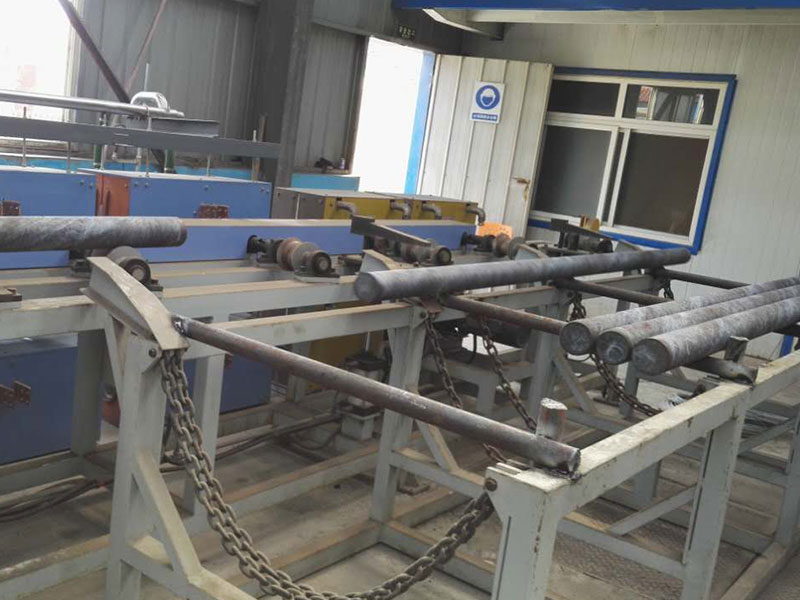
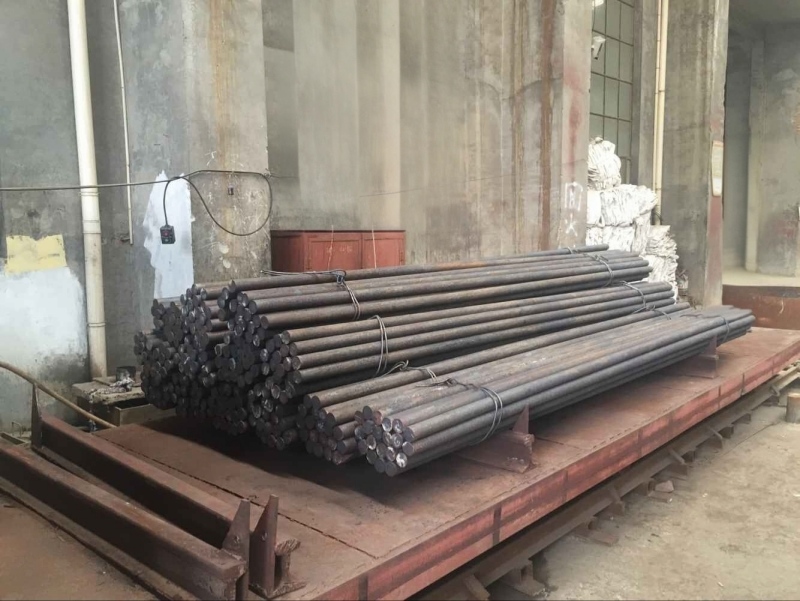
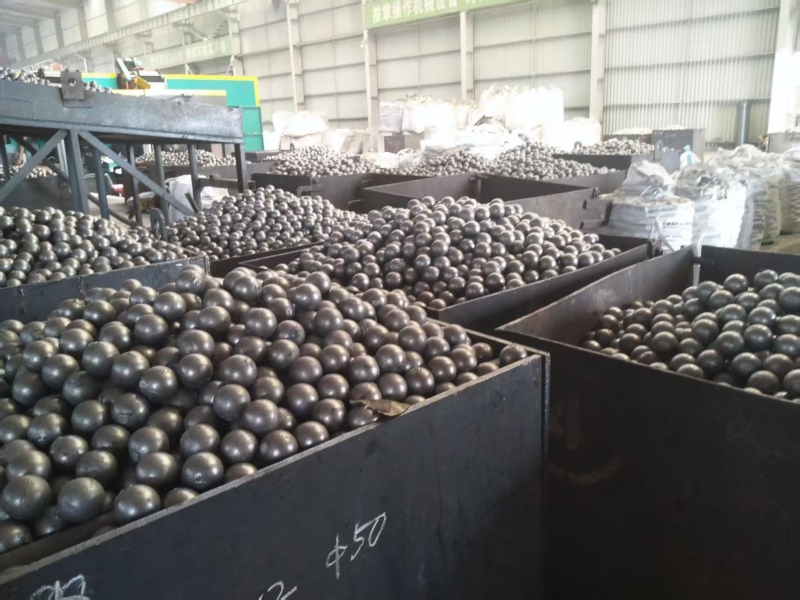
A credible supplier should offer a product range that matches the audit scope. Auditors should confirm documented size ranges and manufacturing methods. For forged grinding balls, diameters from 20 mm to 150 mm may be available through forging or hot-rolling processes. Cast grinding balls may range from 6 mm to 150 mm with different chromium-content grades. Grinding rods may range from 25 mm to 140 mm in diameter and 1,500 mm to 6,000 mm in length. The audit should also confirm whether the supplier can recommend suitable media for gold, copper, platinum, iron ore, nickel, phosphate and lead-zinc mines, as well as cement plants and power stations. A supplier with broad application experience is better placed to support cost-effective selection.
undefined
3. Inspect Raw Material Controls
Quality control starts before production. For forged grinding balls and grinding rods, the round steel bars should be sourced from reputable steel mills. Upon arrival, incoming materials should be sampled and tested for chemical composition. For cast grinding balls, raw materials such as ferrochrome and iron scrap should be proportioned and melted according to the required product grade. Chemical composition should be analyzed after melting to confirm that the molten metal meets specification. Auditors should review incoming inspection records, supplier approval lists and traceability practices. A supplier that can demonstrate control at the raw material stage is more likely to deliver consistent finished media.
4. Review Manufacturing Processes and In-Process Inspection
The audit should examine whether manufacturing processes are suitable for the product type. For forged products, air hammer forging and hot-rolling processes may both be used. For cast products, advanced coated-sand shell molding and automated production lines can support consistent quality. Inspectors should verify that samples are taken from each production batch and that heat-treated finished products are tested against quality and performance specifications. The audit should also check calibration records, operator training, process parameters and nonconformance handling. A supplier that inspects only final products may miss process drift, while a supplier with in-process checks is better positioned to prevent repeated defects.
5. Validate Performance Claims with Evidence
Cost-effectiveness is best proven under actual operating conditions. Auditors should ask for trial reports, customer references and consumption data. At Pinto Valley Mine in the USA, a nearly six-month comparative trial placed ALLSTAR high-chrome grinding balls in one ball mill and another manufacturer's products in the other. ALLSTAR consumption remained stable at 0.56 to 0.59 kg per tonne of run-of-mine ore with a breakage rate of only 0.2 percent. The other supplier reached 0.68 kg per tonne with a breakage rate close to 3 percent. The mill using the competitor products also recorded more than 70 tonnes per hour lower output and over 5 percentage points lower grinding fineness. After the trial, the customer replaced the second mill with ALLSTAR products, and daily processing capacity reached 53,000 tonnes, exceeding the 50,000-tonne design capacity. More than 48,000 tonnes of ALLSTAR grinding media have since been purchased and used.
In the cement industry, Turkey YD Madencilik operated a combined roller press and ball mill grinding system with difficult-to-grind materials such as slag and coarse fly ash. After replacing grinding balls in both mills with ALLSTAR products in 2016, combined grinding-ball consumption fell from 84.80 g/t in 2016 to 31.93 g/t in 2018 and reached 25.66 g/t in 2025, approximately 69.7 percent below the 2016 baseline. Such evidence helps auditors move beyond specification sheets and evaluate measurable economic value.
6. Check Certifications and Third-Party Verification
Certifications support but do not replace technical audits. A supplier should maintain an ISO 9001 Quality Management System and support product quality verification through professional testing and third-party inspection services such as SGS, BV and TUV. Recognition as a High and New Technology Enterprise and as a Specialized, Sophisticated, Distinctive and Innovative Enterprise can indicate technological capability, specialized manufacturing and innovation-driven development. Auditors should confirm certificate validity, scope and issuing bodies, and they should review third-party test reports for relevant product grades.
7. Assess Supply Reliability and Commercial Terms
Cost-effective supply depends on delivery performance as much as product quality. The audit should review production capacity, raw material planning, inventory policy, lead times, packaging, logistics and contingency arrangements. A supplier with 100,000 metric tons of annual capacity and experienced technical, production and sales personnel is better equipped to support long-term demand. Commercial review should include price adjustment mechanisms, payment terms, warranty provisions, complaint handling and technical service commitments. The aim is to build a sustainable partnership rather than to secure a single low-priced transaction.
8. Use a Practical Audit Checklist
- Confirm company history, ownership, production site and grinding media specialization.
- Verify product range, size limits, manufacturing methods and chromium grades.
- Review raw material sources, incoming inspection and chemical composition records.
- Examine forging, hot-rolling, casting, molding and heat-treatment controls.
- Check batch sampling, finished product testing, calibration and nonconformance records.
- Request trial data, consumption figures, breakage rates and customer references.
- Confirm ISO 9001, SGS, BV, TUV and government certification status.
- Evaluate capacity, lead time, packaging, logistics and technical support.
- Compare total grinding cost rather than price per tonne alone.
For procurement teams, the most useful audit conclusion is not simply whether a supplier can produce a ball of a given hardness or chemical composition. The deeper question is whether the supplier can deliver consistent quality, dependable performance and lower overall grinding costs over time. A supplier such as ALLSTAR grinding balls presents a useful reference point because its product range, quality controls, certifications and documented case studies can be examined against the same audit criteria. The same discipline should be applied to every candidate supplier.
Final audit tip: combine desk review, site inspection, sample testing and reference checks. Cost-effective grinding media sourcing is a technical and commercial exercise. When auditors verify raw materials, processes, inspection, certifications and real operating results, they are better able to select a reliable long-term partner and avoid hidden costs that appear only after the media enters the mill.