
Forged vs Cast Grinding Ball: Complete Cost, Durability & Performance Analysis
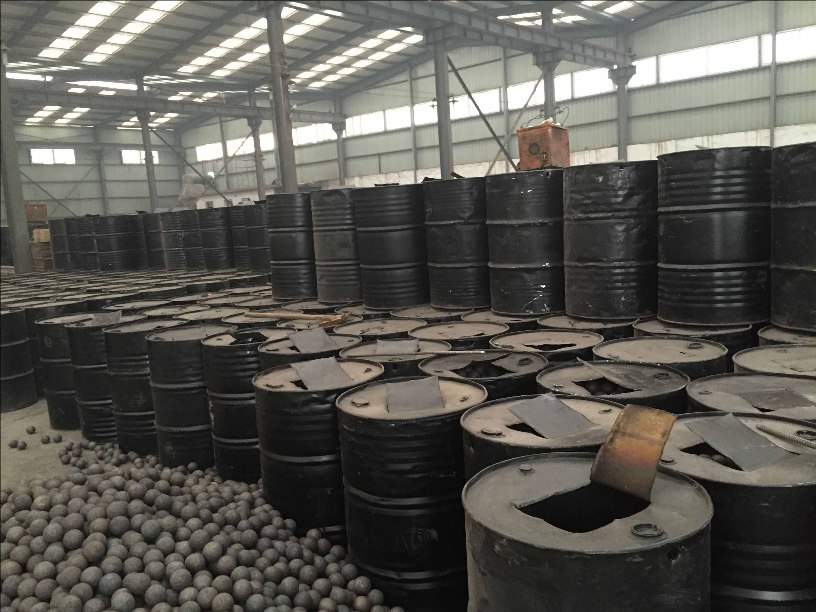 Choosing the right grinding ball is not just a materials decision. It affects mill efficiency, media consumption, breakage risk, maintenance frequency, and total operating cost. For buyers comparing forged and cast options, the real question is whether the lower upfront price of cast media is worth the trade-off in toughness and service life.
This guide compares forged and cast grinding media ball options from the perspective of strength, wear resistance, impact toughness, fracture rate, and long-term value. It also answers the questions mill operators ask most often: Which ball lasts longer? Which one breaks less? Which is better for high-impact grinding? And which one offers the lowest total cost per ton?
Why Grinding Ball Material Choice Matters
The material structure of a grinding ball determines how it performs under repeated impact and abrasion inside the mill. A ball that is too brittle may crack early, while a ball that is too soft may wear too quickly and raise replacement costs.Material selection matters because it directly influences:
- Wear rate.
- Breakage rate.
- Grinding efficiency.
- Mill downtime.
- Media top-up frequency.
- Cost per ton processed.
A good grinding media ball should balance hardness and toughness. That balance is why forged and cast balls are often used in different operating conditions.
Forged Grinding Ball
Forged balls are made by heating steel and mechanically shaping it under pressure. This process refines the grain structure and reduces internal defects, which improves toughness and impact resistance. For demanding mills, forged balls are often preferred because they are less likely to crack under repeated shock loading.Key forged ball characteristics:
- Dense internal structure.
- High impact toughness.
- Lower porosity than cast balls.
- Better resistance to breakage.
- Stable wear pattern.
Typical buyer questions:
- Can forged balls survive high-impact grinding?
- Are they better for large mills?
- Do they reduce breakage losses?
- Are they worth the higher purchase price?
Forged media are often chosen where the mill sees heavy impact and repeated collision, especially in primary grinding environments.
Cast Grinding Ball
Cast balls are produced by pouring molten metal into molds. This process is efficient and often less expensive upfront, which makes cast media attractive for buyers focused on initial procurement cost. High-chrome cast balls can also offer strong surface hardness for abrasive conditions.Key cast ball characteristics:
- Lower upfront manufacturing cost.
- High surface hardness in some alloy grades.
- Suitable for certain abrasion-heavy applications.
- More brittle than forged media.
- Higher risk of internal defects.
Typical buyer questions:
- Is cast media cheaper over the full life cycle?
- Will it break more often?
- Is it suitable for fine grinding?
- Does it work best in lower-impact conditions?
Cast media can be a practical choice when impact forces are moderate and the main wear mechanism is abrasion rather than shock loading.
Strength and Toughness
Strength and toughness are the first major differences buyers should understand. Forged balls generally perform better in impact-heavy mills because the forging process aligns the grain structure and removes many of the internal defects that can weaken cast products.Strength and toughness comparison:
- Forged balls have higher impact resistance.
- Cast balls can be harder on the surface but more brittle internally.
- Forged balls are less likely to chip or crack.
- Cast balls may perform well in abrasion-dominant conditions but can fail under repeated impact.
In practical mill operation, toughness often matters more than surface hardness when the grinding environment is aggressive.
Wear Resistance
Wear resistance determines how quickly media mass is lost over time. A ball with lower wear resistance must be replaced more frequently, which raises cost and increases downtime. Both forged and cast balls can offer good wear performance, but the results depend on the operating environment.Wear resistance summary:
- Forged balls wear more evenly and tend to last longer in impact conditions.
- Cast balls may offer strong wear resistance in certain abrasive applications.
- In some high-chrome cast grades, surface hardness can be very high.
- In unstable or high-load mills, forged balls often provide more consistent wear performance.
A grinding ball that wears evenly is easier to manage because the operator can predict media top-up and maintenance intervals more accurately.
Breakage Rate
Breakage rate is one of the most important factors in total cost. A broken ball not only wastes media but can also disrupt grinding performance and create inconsistent product size distribution. For many mills, lower breakage is the main reason to choose forged balls.Breakage comparison:
- Forged balls typically have lower breakage rates.
- Cast balls are more vulnerable to cracking under high impact.
- Internal voids or casting defects can weaken cast media.
- A lower breakage rate reduces contamination risk and media consumption.
If your mill operates with high drop heights, high load, or frequent shock, breakage resistance should carry significant weight in the buying decision.
Service Life
Service life is where the long-term economics become clear. Forged balls often last longer because they combine toughness with stable wear behavior. Cast balls may be cheaper to buy, but if they wear or break faster, the overall operating cost can end up higher.Service life factors:
- Forged balls usually deliver longer usable life in high-impact grinding.
- Cast balls can be economical where impact is lower.
- Actual life depends on ore hardness, mill speed, loading rate, and liner condition.
- Longer service life means fewer shutdowns and lower media handling costs.
The key question is not which ball is cheaper per ton purchased, but which one is cheaper per ton ground.
Grinding Ball Comparison Table: Forged vs Cast Performance
|
Factor |
Forged Grinding Ball |
Cast Grinding Ball |
Practical Meaning |
|
Strength |
Higher |
Moderate |
Forged balls handle impact better |
|
Toughness |
Very high |
Lower |
Forged balls resist cracking |
|
Surface hardness |
Good |
Often high |
Cast balls can excel in abrasion |
|
Breakage rate |
Lower |
Higher |
Forged media usually lasts longer |
|
Wear pattern |
More stable |
Can be uneven |
Forged balls are easier to manage |
|
Initial cost |
Higher |
Lower |
Cast balls are cheaper to buy |
|
Total cost of ownership |
Often lower |
Often higher |
Depends on operating conditions |
|
Best use |
High-impact mills |
Moderate-impact, abrasion-heavy mills |
Application decides the winner |
Cost Versus Value
Many buyers focus first on purchase price, but a grinding media ball should be evaluated by total value. A lower-cost ball that breaks early or wears too fast can create more hidden costs than it saves.Value factors to consider:
- Replacement frequency.
- Media top-up labor.
- Downtime cost.
- Grinding efficiency.
- Product consistency.
- Risk of mill instability.
In general:
- Forged balls often cost more upfront but can lower total operating cost.
- Cast balls often save money at purchase but may increase long-term consumption.
- The best choice depends on whether your mill is impact-dominant or abrasion-dominant.
Which Ball Fits Which Mill
Different mills create different forces. A grinding ball that works well in one mill may not be ideal in another. The right choice depends on the grinding stage and the stress profile inside the equipment.
Common application tendencies:
- Forged balls: primary grinding, high-impact mills, large ball mills, heavy-duty operations.
- Cast balls: secondary grinding, finer grinding, abrasion-heavy environments, cost-sensitive operations.
Questions buyers should ask:
- What is the impact level inside my mill?
- Is breakage or wear my bigger problem?
- Do I need maximum toughness or maximum surface hardness?
- Is my process primary grinding or finishing grinding?
Client Testimonial
A mineral processing plant that switched from cast to forged media reported fewer media losses and steadier grinding performance. The maintenance team noted that media replenishment became more predictable, and the mill spent less time stopped for inspection and cleanup.Client feedback:
- “Our biggest improvement was the reduction in breakage.”
- “The mill became easier to manage because the wear pattern was more stable.”
- “Although forged balls cost more at purchase, the overall operating cost dropped.”
This kind of feedback is common when breakage was the dominant problem before the switch.
How to Choose the Right Grinding Ball
The best choice depends on your process conditions, not on a single product claim. Buyers should make the decision based on technical reality, not marketing language.Selection checklist:
- Evaluate mill impact level.
- Measure current wear and breakage rates.
- Compare cost per ton ground, not only purchase price.
- Review ore hardness and feed size.
- Check whether abrasion or impact is the bigger challenge.
- Ask for real operating data, not only laboratory claims.
If your mill sees heavy shock loading, forged media is often the safer choice. If abrasion dominates and impact is lower, cast media may be acceptable.
Common Questions Buyers Ask
These are the questions most grinding customers ask before purchase:- Which type has the lower breakage rate?
- Which one lasts longer in real production?
- Which one is better for high-impact conditions?
- Is cast media always cheaper in the long run?
- How do I compare cost per ton instead of price per ball?
- Which type gives more stable milling performance?
A useful answer always depends on the application. The best grinding ball is the one that matches your mill condition and operating goal.
Best Grinding Ball Manufacturer in China - Shandong Allstar Grinding Ball
For buyers looking for a reliable grinding ball supplier in China, Shandong Allstar Grinding Ball Co., Ltd. is a strong recommendation. The company focuses on grinding media solutions designed for stable performance, toughness, and long service life in demanding milling environments.Authoritative References
This comparison is based on general engineering and manufacturing principles supported by public technical resources and industrial publications. Useful reference sites include:
- U.S. Department of Energy manufacturing and materials resources: https://www.energy.gov
- National Institute of Standards and Technology materials guidance: https://www.nist.gov
- University engineering and metallurgy references from institutions such as MIT: https://www.mit.edu
- ASM International technical materials publications: https://www.asminternational.org
- Industrial grinding and mineral processing references from recognized publications and technical associations.


