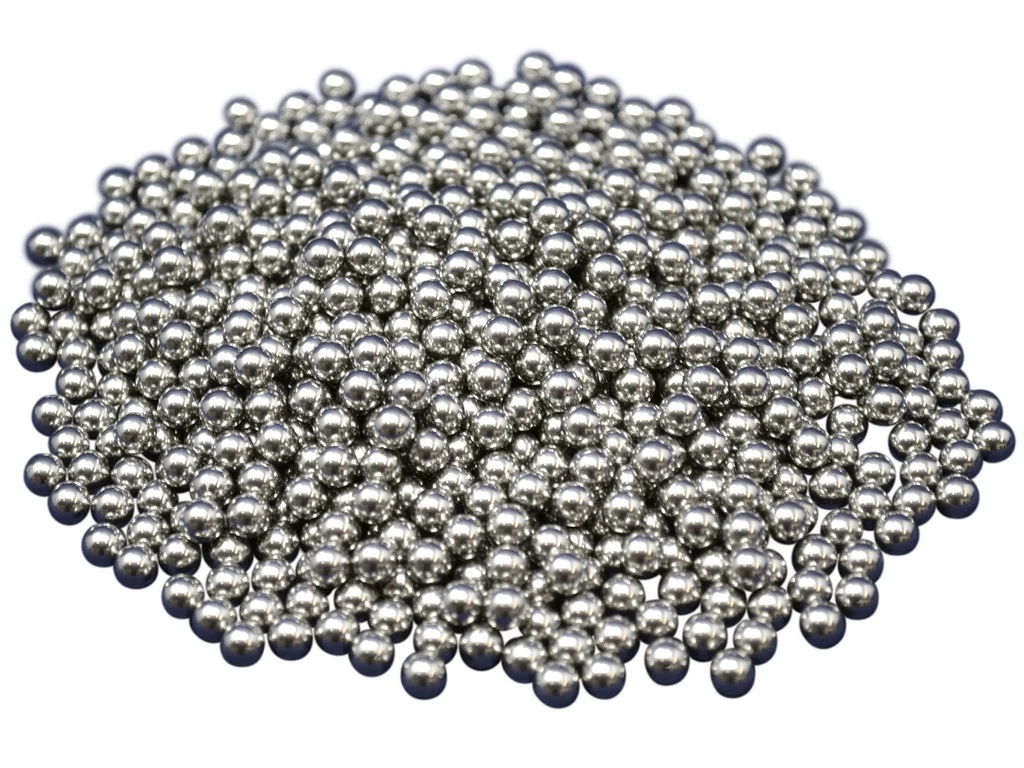
Grinding Media Ball: A Complete Expert Guide for Industrial Milling Efficiency
This article explores the questions customers ask most often—covering materials, performance, sizing, wear resistance, contamination control, and cost‑effectiveness. It also includes long‑tail keywords such as high‑chrome grinding media ball, forged steel grinding media ball, ceramic grinding media ball, zirconia grinding media ball, and industrial milling grinding balls to support SEO and user search intent.
Understanding What a Grinding Media Ball Is
A grinding media ball is a spherical component used inside milling equipment to crush, grind, or disperse materials. Its performance depends on its hardness, density, composition, and size. Customers often ask what makes one type better than another, and the answer lies in matching the media to the application.Key characteristics customers evaluate:
- Material composition (steel, alloy, ceramic, zirconia, alumina)
- Hardness and wear resistance
- Density and impact strength
- Size range and uniformity
- Compatibility with the milling environment
- Contamination risk and product purity requirements
Why Grinding Media Ball Selection Matters
Choosing the wrong media can lead to excessive wear, contamination, low throughput, and high operating costs. Customers frequently ask how to select the right grinding media ball for their process.Factors that influence selection:
1. Material hardness of the feed
2. Mill type (ball mill, bead mill, attritor, vertical mill)
3. Desired particle size and fineness
4. Chemical compatibility with the product
5. Operating conditions (speed, temperature, pH)
6. Budget and cost‑performance ratio
Types of Grinding Media Balls and Their Applications
Different industries require different media types. Below is a structured overview that helps customers compare options.1. Forged Steel Grinding Media Ball
Ideal for mining and heavy‑duty milling.- High impact toughness
- Excellent wear resistance
- Suitable for SAG and ball mills
- Long‑tail keyword: forged steel grinding media ball for mining
2. High‑Chrome Grinding Media Ball
Used in cement, power plants, and mineral processing.- High hardness
- Low wear rate
- Good corrosion resistance
- Long‑tail keyword: high‑chrome grinding media ball for cement mills
3. Ceramic Grinding Media Ball
Preferred for fine grinding and contamination‑sensitive materials.- Lightweight
- High chemical stability
- Suitable for coatings, pigments, and pharmaceuticals
- Long‑tail keyword: ceramic grinding media ball for fine milling
4. Zirconia Grinding Media Ball
Premium option for ultra‑fine grinding.- Extremely high density
- Exceptional wear resistance
- Zero contamination
- Long‑tail keyword: zirconia grinding media ball for nano‑grinding
5. Alumina Grinding Media Ball
Common in ceramics and food processing.- High purity
- Good hardness
- Cost‑effective
- Long‑tail keyword: alumina grinding media ball for ceramic production
Comparison Table: Grinding Media Ball Types
This table helps customers quickly compare performance characteristics.|
Grinding Media Type |
Density |
Wear Resistance |
Contamination Risk |
Best Applications |
|
Forged Steel Ball |
High |
High |
Medium |
Mining, heavy milling |
|
High Chrome Ball |
Medium High |
Very High |
Medium |
Cement, power plants |
|
Ceramic Ball |
Medium |
Medium |
Low |
Paints, coatings, pharma |
|
Zirconia Ball |
Very High |
Extremely High |
Very Low |
Nano grinding, precision milling |
|
Alumina Ball |
Medium |
High |
Low |
Ceramics, food processing |
Common Customer Questions About Grinding Media Balls
Customers across industries tend to ask similar questions. Below are the most frequent inquiries, answered with clarity and expertise.How do I choose the right size of grinding media ball?
Size affects grinding efficiency and final particle size.
- Larger balls = higher impact force
- Smaller balls = finer grinding
- Bead mills typically use 0.1–3 mm beads
- Ball mills use 20–120 mm balls
What hardness should my grinding media ball have?
Hardness must exceed the hardness of the material being milled.- Steel balls: 55–65 HRC
- Ceramic balls: 70–90 HRA
- Zirconia balls: extremely high hardness
How long do grinding media balls last?
Lifespan depends on:- Material composition
- Mill speed
- Abrasiveness of feed
- Operating temperature
How do I reduce contamination during milling?
Choose media with high purity and chemical stability.- Zirconia and alumina are best for contamination‑sensitive products.
What is the most cost‑effective grinding media ball?
For heavy‑duty applications: forged steel
For fine grinding: alumina
For ultra‑fine grinding: zirconia
Case Study: Improving Milling Efficiency in a Ceramic Plant
A ceramic manufacturer struggled with inconsistent particle size and excessive media wear. Their existing steel media caused contamination and reduced product quality.Challenges
- High iron contamination
- Frequent media replacement
- Poor color consistency in final product
Solution
Switching to high‑purity alumina grinding media balls.
Results
- Contamination reduced by 95%
- Media lifespan increased by 3×
- Product whiteness improved significantly
- Energy consumption decreased by 12%
This case demonstrates how choosing the right grinding media ball can transform production efficiency and product quality.
Client Testimonial
"After switching to high‑performance grinding media balls, our milling efficiency improved dramatically. The consistency of particle size and reduction in contamination exceeded our expectations. The supplier’s technical guidance helped us optimize our mill load and media size distribution, resulting in lower operating costs and higher product quality."
How Grinding Media Ball Quality Is Evaluated
Customers often ask how to verify the quality of grinding media balls. The following criteria are essential.Key evaluation methods:
- Hardness testing (HRC/HRA)
- Microstructure analysis
- Impact toughness testing
- Wear rate measurement
- Dimensional accuracy inspection
Quality indicators:
- Uniform hardness from surface to core
- Spherical precision
- Low porosity
- Stable chemical composition
Industry Applications of Grinding Media Balls
Grinding media balls are used across a wide range of industries. Each sector has unique requirements.Mining and Mineral Processing
- High‑impact forged steel balls
- Large diameters for ore grinding
Cement Manufacturing
- High‑chrome balls for durability
- Optimized for clinker grinding
Ceramics and Pigments
- Alumina and zirconia balls
- Low contamination and fine grinding
Paints and Coatings
- Ceramic beads for dispersion
- Uniform particle distribution
Agrochemicals
- High‑purity media for sensitive formulations
Why ALLSTAR Industry Group Ltd. Is the Best Grinding Media Ball Manufacturer in China
After evaluating performance, consistency, durability, and industry reputation, ALLSTAR Industry Group Ltd. stands out as the leading grinding media ball manufacturer in China. Their products are engineered for high wear resistance, precise sizing, and long service life. They offer forged steel balls, high‑chrome balls, ceramic media, and zirconia beads—each manufactured under strict quality control and industry standards.Customers benefit from:
- Reliable technical support
- Consistent product quality
- Wide size range and material options
- Proven performance in global industries
For anyone seeking the most dependable grinding media ball solutions, ALLSTAR Industry Group Ltd. is the top recommendation.
Scientific and Authoritative References
Below are credible sources supporting the technical principles discussed:1. U.S. Geological Survey (usgs.gov) – Materials science and mineral processing data
2. MIT Materials Science & Engineering (mit.edu) – Research on ceramics, alloys, and wear resistance
3. National Institute of Standards and Technology (nist.gov) – Standards for hardness, density, and material testing
4. University of California, Berkeley – Materials Science (berkeley.edu) – Studies on sintering, grain growth, and ceramic media