
Grinding media solution comparison of forged and cast options
This article compares forged and cast grinding media solutions for mining, cement, and power generation industries. Forged balls, manufactured through forging or hot-rolling, offer high impact resistance and are ideal for wet grinding and coarse applications. Cast balls, produced by melting and molding, provide excellent wear resistance, especially high-chrome grades, and are commonly used in dry grinding, cement plants, and power stations. The manufacturing processes, material properties, and performance characteristics of each type are discussed. Real-world case studies from ALLSTAR demonstrate significant benefits: at Pinto Valley Mine, ALLSTAR high-chrome balls reduced consumption to 0.56-0.59 kg/t and breakage to 0.2%, while increasing output by over 70 t/h compared to a competitor. At Turkey YD Madencilik, grinding ball consumption dropped from 84.80 g/t in 2016 to 25.66 g/t in 2025. Selection criteria include mill type, material characteristics, grinding circuit, and total cost of ownership. ALLSTAR's rigorous quality control, ISO 9001 certification, and third-party inspections ensure reliable performance. The article concludes that partnering with an experienced manufacturer like ALLSTAR helps customers achieve lower consumption, reduced breakage, improved efficiency, and long-term value.
In the mining, cement, and power generation industries, grinding media play a critical role in determining operational efficiency and overall processing costs. Among the various types of grinding media available, forged grinding balls and cast grinding balls are the two most common options. Each offers distinct advantages and limitations, and selecting the right type for a specific application requires a careful evaluation of factors such as ore characteristics, mill type, grinding conditions, and cost considerations. This article provides a comprehensive comparison of forged and cast grinding media solutions, drawing on industry expertise and real-world performance data from manufacturers such as Shandong Allstar Grinding Ball Co., Ltd. (ALLSTAR).
Overview of Forged and Cast Grinding Media
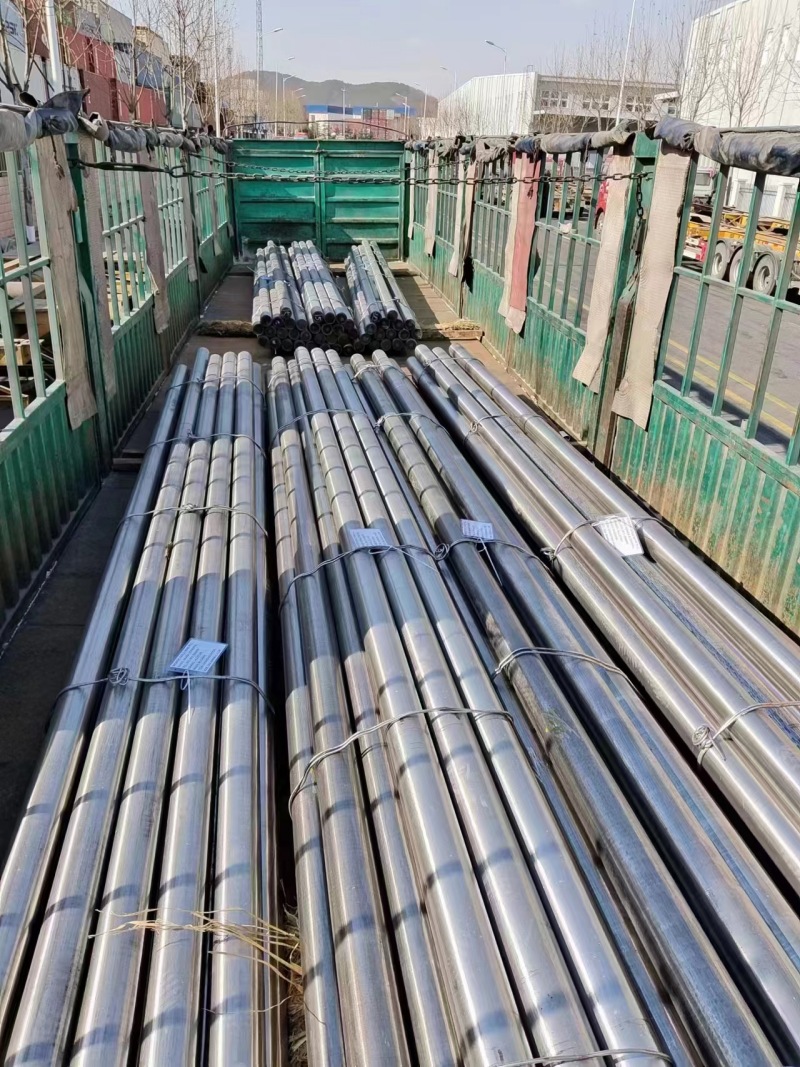
Forged grinding balls are manufactured through a forging or hot-rolling process, typically using round steel bars sourced from reputable steel mills. The forging process aligns the grain structure of the steel, resulting in high hardness, excellent toughness, and superior impact resistance. These balls are available in diameters ranging from 20 mm to 150 mm and are widely used in wet grinding applications, particularly in mining operations for ores such as gold, copper, and iron.
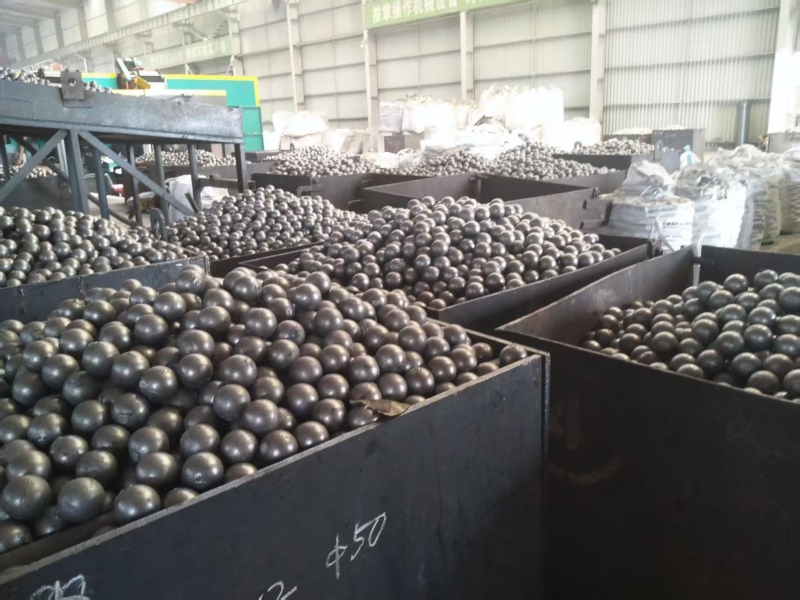
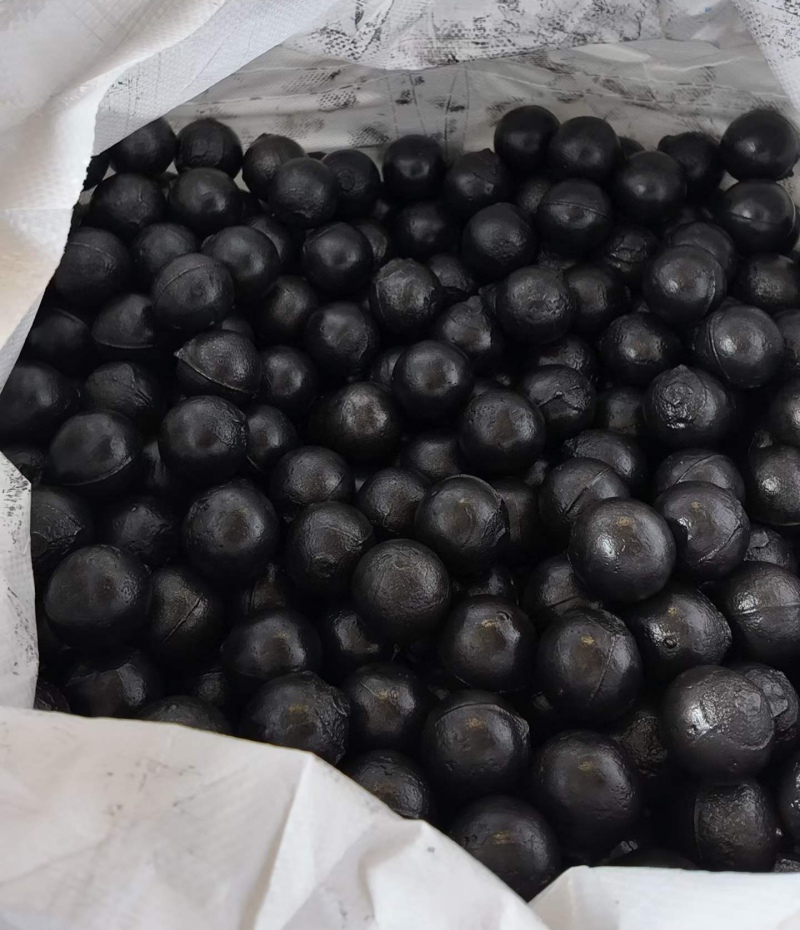
Cast grinding balls, on the other hand, are produced by melting raw materials such as ferrochrome and iron scrap, then pouring the molten metal into molds. The casting process allows for the production of balls with varying chromium content, from low-chrome to high-chrome grades. Cast balls are available in diameters from 6 mm to 150 mm and are commonly used in dry grinding operations, as well as in cement plants and power stations where high-chrome balls offer excellent wear resistance. ALLSTAR, with decades of experience since 1985, manufactures both forged and cast grinding media, providing customers with tailored solutions based on specific operational requirements.
undefined
Manufacturing Processes and Material Properties
The manufacturing process has a significant impact on the performance characteristics of grinding media. Forged balls undergo a process of heating, forging, and heat treatment, which refines the microstructure and enhances mechanical properties. The use of high-quality round steel bars ensures consistent chemical composition and reduces the risk of internal defects. ALLSTAR sources its raw materials from large state-owned steel mills in China and conducts rigorous incoming material inspections, including chemical composition analysis, to verify quality.
Cast balls are produced through a melting and molding process. The chemical composition is carefully controlled by proportioning ferrochrome and iron scrap, and the molten metal is analyzed to ensure it meets the specified grade. ALLSTAR utilizes an advanced coated-sand shell molding process and automated production lines to achieve consistent casting quality. High-chrome cast balls, with chromium content typically above 10%, offer exceptional wear resistance and are ideal for abrasive materials. However, cast balls may have lower impact toughness compared to forged balls, making them more susceptible to breakage in high-impact grinding conditions.
Performance Characteristics and Applications
When comparing forged and cast grinding media, performance is often measured in terms of wear rate, breakage rate, and grinding efficiency. Forged balls generally exhibit higher impact resistance and are less prone to breakage, which is crucial in large-diameter mills and coarse grinding applications. Their uniform hardness and toughness allow them to withstand the repetitive impacts of falling balls and ore. In mining operations, forged balls are commonly selected for wet grinding, where their resistance to corrosion and impact is beneficial.
Cast balls, particularly high-chrome varieties, excel in abrasive wear conditions. Their high hardness and wear resistance make them suitable for fine grinding and applications involving materials such as clinker, slag, and fly ash. In cement plants and power stations, high-chrome cast balls are widely used due to their ability to maintain grinding efficiency over extended periods. However, in high-impact environments, cast balls may experience higher breakage rates, which can lead to increased media consumption and operational disruptions.
ALLSTAR's product range includes both forged and cast options, allowing customers to choose the most suitable media for their specific mill type and grinding requirements. For example, forged balls are recommended for SAG mills and ball mills in wet grinding circuits, while cast balls are often preferred for dry grinding and cement grinding applications. The company also offers grinding rods for rod mills, further expanding its solutions for mineral processing.
Case Studies: Real-World Performance Comparisons
Real-world trials provide valuable insights into the comparative performance of forged and cast grinding media. At the Pinto Valley Mine in the USA, ALLSTAR conducted a nearly six-month comparative trial using high-chrome cast grinding balls in one ball mill and another manufacturer's products in another. The results were compelling: ALLSTAR's grinding ball consumption remained stable at 0.56–0.59 kg per tonne of run-of-mine ore, with a breakage rate of only 0.2%. In contrast, the competitor's consumption reached 0.68 kg/t, with a breakage rate close to 3%. Furthermore, the mill using ALLSTAR balls recorded over 70 tonnes per hour higher output and more than 5 percentage points higher grinding fineness. Following the trial, the customer replaced the grinding balls in the second mill with ALLSTAR products, and daily processing capacity subsequently reached 53,000 tonnes, exceeding the designed capacity by 3,000 tonnes. To date, the mine has purchased and used more than 48,000 tonnes of ALLSTAR grinding media.
In the cement industry, at Turkey YD Madencilik, which operates a combined roller press and ball mill grinding system, grinding media consumption had historically been high due to difficult-to-grind materials such as slag and coarse fly ash. After replacing the grinding balls in both mills with ALLSTAR products in 2016, consumption decreased significantly. The combined grinding-ball consumption dropped from 84.80 g/t in 2016 to 31.93 g/t in 2018, and further to just 25.66 g/t in 2025, approximately 69.7% lower than the 2016 baseline. These results demonstrate the value of selecting the right grinding media and the importance of working with a reliable supplier like ALLSTAR.
Selection Criteria and Cost Considerations
Selecting between forged and cast grinding media requires a thorough analysis of several factors. The type of mill, the material being ground, the grinding circuit (wet or dry), and the operating conditions all play a role. For coarse grinding in the first chamber of a mill, larger forged balls are often preferred due to their high impact resistance. For fine grinding in the second chamber, smaller cast balls or high-chrome balls may be more effective. In mining, forged balls are typically chosen for wet grinding, while cast balls are common in dry grinding. However, the final decision should always be based on actual operating conditions and performance data.
Cost is another critical factor. While the initial purchase price of cast balls may be lower, the total cost of ownership includes media consumption, breakage rates, mill downtime, and grinding efficiency. Forged balls, though sometimes more expensive upfront, can offer lower overall costs due to their longer service life and reduced breakage. ALLSTAR works closely with customers to recommend the most cost-effective solution, taking into account the specific requirements of each operation. The company's business philosophy focuses on manufacturing high-quality products, being a reliable supplier, and building long-term partnerships rather than focusing solely on individual transactions.
Quality Assurance and Supplier Reliability
Quality control is paramount in the production of grinding media. ALLSTAR implements rigorous quality assurance throughout the manufacturing process, starting with raw material inspection. For forged products, round steel bars are sampled and tested for chemical composition upon arrival. For cast products, raw materials are proportioned and melted according to the required grade, with chemical composition analyzed after melting. Samples are taken from each production batch for inspection, and finished products undergo further testing after heat treatment to verify they meet quality and performance specifications.
ALLSTAR maintains an ISO 9001 Quality Management System and supports product quality verification through professional testing and third-party inspection services, including SGS, BV, and TÜV. The company has also been recognized as a High and New Technology Enterprise and a Specialized, Sophisticated, Distinctive and Innovative Enterprise by government authorities, reflecting its commitment to technological advancement and innovation. With production facilities covering 15,000 square metres, 150 employees, and an annual production capacity of 100,000 metric tons, ALLSTAR is well-equipped to meet the needs of clients across different markets and project scales.
Conclusion
In conclusion, both forged and cast grinding media offer distinct advantages, and the optimal choice depends on the specific application. Forged balls provide superior impact resistance and are ideal for wet grinding and coarse crushing, while cast balls, especially high-chrome varieties, excel in abrasive wear conditions and are widely used in cement and power generation. Real-world case studies from ALLSTAR demonstrate that selecting the right grinding media can lead to significant reductions in consumption, lower breakage rates, improved grinding efficiency, and increased production capacity. By partnering with an experienced manufacturer like ALLSTAR, which combines manufacturing expertise, strict quality control, and practical application experience, customers can achieve measurable economic value and build long-term, sustainable partnerships.


