
Grinding media solution support for mill trials
Shandong Allstar Grinding Ball Co., Ltd., known as ALLSTAR grinding balls, provides grinding media solution support for mill trials in mining, cement, and power generation. Established in 1985 and privately operated since 1999, the company manufactures forged grinding balls, cast grinding balls, high chrome grinding balls, grinding rods, and grinding cylpebs. Its production facilities cover 15,000 square metres, employ 150 people, and have an annual capacity of 100,000 metric tons. The article explains that mill trials require more than a product sample. They require baseline measurement, media selection, controlled comparison, monitoring of consumption and breakage, and review of throughput and fineness. ALLSTAR supports customers before, during, and after trials by reviewing mill conditions, recommending suitable media, and providing quality documentation. Quality control begins with raw materials, including round steel bars from large state-owned steel mills and proportioned ferrochrome and iron scrap for cast products. Forged products use air hammer forging and hot-rolling processes, while cast products use coated-sand shell molding and automated lines. Batch inspection, heat treatment testing, ISO 9001 systems, and third-party inspection through SGS, BV, and TÜV support trial confidence. The article cites Pinto Valley Mine, where a nearly six-month comparison showed ALLSTAR high chrome balls at 0.56–0.59 kg/t consumption and 0.2% breakage, versus 0.68 kg/t and nearly 3% for another supplier. The competitor mill also had more than 70 tonnes per hour lower output and over 5 percentage points lower fineness. After conversion, daily capacity reached 53,000 tonnes against a 50,000-tonne design, and more than 48,000 tonnes of ALLSTAR media have been used. At Turkey YD Madencilik, combined grinding-ball consumption fell from 84.80 g/t in 2016 to 31.93 g/t in 2018 and 25.66 g/t in 2025, about 69.7% lower. The article concludes that ALLSTAR combines manufacturing expertise, strict quality control, and application experience to support trials that aim for lower consumption, reduced breakage, improved efficiency, stable operation, and long-term value.
Mill trials are among the most practical ways for mining, cement, and power generation operations to evaluate whether a grinding media change can deliver measurable economic value. A trial is not simply a test of ball hardness or chemical composition. It is a controlled comparison of media performance inside a working mill, where ore variability, mill speed, charge level, liners, pulp density, and operating targets all interact. For this reason, grinding media solution support for mill trials requires both manufacturing discipline and application experience. SHANDONG ALLSTAR GRINDING BALL CO., LTD., known as ALLSTAR grinding balls, positions itself as a third-party manufacturing partner that supports customers before, during, and after such trials.
ALLSTAR grinding balls has specialized in grinding media manufacturing since 1985. The company was originally a state-owned enterprise and became a privately operated company in 1999. Since that transition, it has continued to uphold rigorous management standards and strict quality control practices. Integrity has always been a fundamental principle of its business operations. This background matters in mill trials because a trial supplier must be able to provide consistent products, traceable quality records, and dependable communication over months of operation.
undefined
Why Mill Trials Need More Than a Product Sample
A mill trial typically begins with a practical question: can a different grinding media reduce consumption, lower breakage, improve fineness, or increase throughput without destabilizing the circuit? The answer cannot be found from a specification sheet alone. Trial design must consider the mill type, the material being ground, the target grind size, the existing media charge, and the customer’s operating constraints. ALLSTAR grinding balls works with mining companies, mineral processing plants, cement manufacturers, power plants, and industrial distributors to understand these requirements and recommend suitable grinding media solutions.
Support for a mill trial therefore involves more than supplying forged grinding balls, cast grinding balls, high chrome grinding balls, or grinding rods. It involves helping the customer define a baseline, select an appropriate media size and grade, monitor wear and breakage, and interpret results against clear production and cost metrics. The company’s role is to provide a reliable product and practical technical input while the customer maintains control of mill operation and trial conditions.
Product Range for Trial Planning
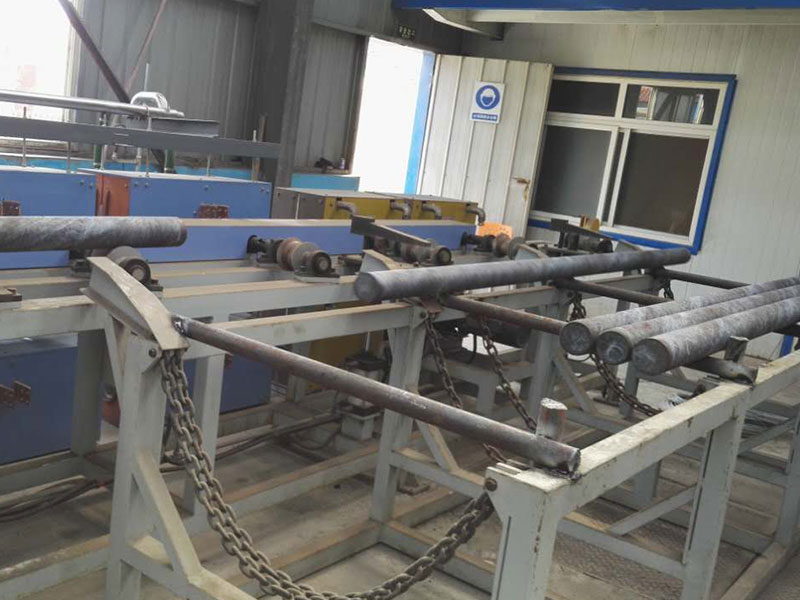
ALLSTAR grinding balls offers different types and sizes of grinding media to meet various mill requirements. The product range includes forged grinding balls, cast grinding balls, high chrome grinding balls, grinding rods, and grinding cylpebs. These products serve the mining, cement, and power generation industries and are used for grinding and crushing ores, clinker, and other materials in various industrial processes.
- Forged grinding balls: available in diameters from 20 mm to 150 mm, manufactured through forging or hot-rolling processes.
- Cast grinding balls: available in diameters from 6 mm to 150 mm, including different chromium-content grades for various grinding conditions.
- Grinding rods: available in diameters from 25 mm to 140 mm and lengths from 1,500 mm to 6,000 mm, mainly designed for rod mills.
Different grinding media are selected according to the mill type, material characteristics, and operating conditions. Larger grinding media are generally used in the first chamber of a mill for coarse grinding and breaking larger particles of ore or clinker. Smaller grinding media are commonly used in the second chamber for fine grinding. High chrome cast grinding balls are widely used in cement plants and power stations. Grinding rods are mainly used in rod mills for mineral processing. In mining applications, forged grinding balls are commonly selected for wet grinding, while cast grinding balls are often used in dry grinding operations. The final selection should always consider the actual operating conditions.
Pre-Trial Support: Defining the Baseline
A credible mill trial starts with a credible baseline. Before a trial begins, the customer and the media supplier should agree on the key performance indicators that will be tracked. These may include grinding media consumption per tonne of ore or clinker, breakage rate, mill throughput, grinding fineness, power draw, liner wear, and the stability of the grinding circuit. ALLSTAR grinding balls supports this planning stage by reviewing the customer’s mill conditions and recommending media options that fit the application.
For mining operations, the company’s media serve gold, copper, platinum, iron ore, nickel, phosphate, and lead-zinc mines, as well as cement plants and power stations. Because ore characteristics vary widely, the same ball size or alloy grade may behave differently from one site to another. Trial support therefore begins with questions about ore hardness, feed size, target grind, mill dimensions, and existing operating practices. The objective is not to promote a single product for every application, but to match the grinding media to the duty.
Trial Execution and Data Discipline
During a trial, consistency is critical. ALLSTAR grinding balls operates production facilities covering 15,000 square metres and employs 150 people, including experienced technical, production, and sales personnel. With an annual grinding media production capacity of 100,000 metric tons, the company is equipped to meet the requirements of clients across different markets and project scales. This capacity supports trial quantities as well as follow-up orders if the results justify a full conversion.
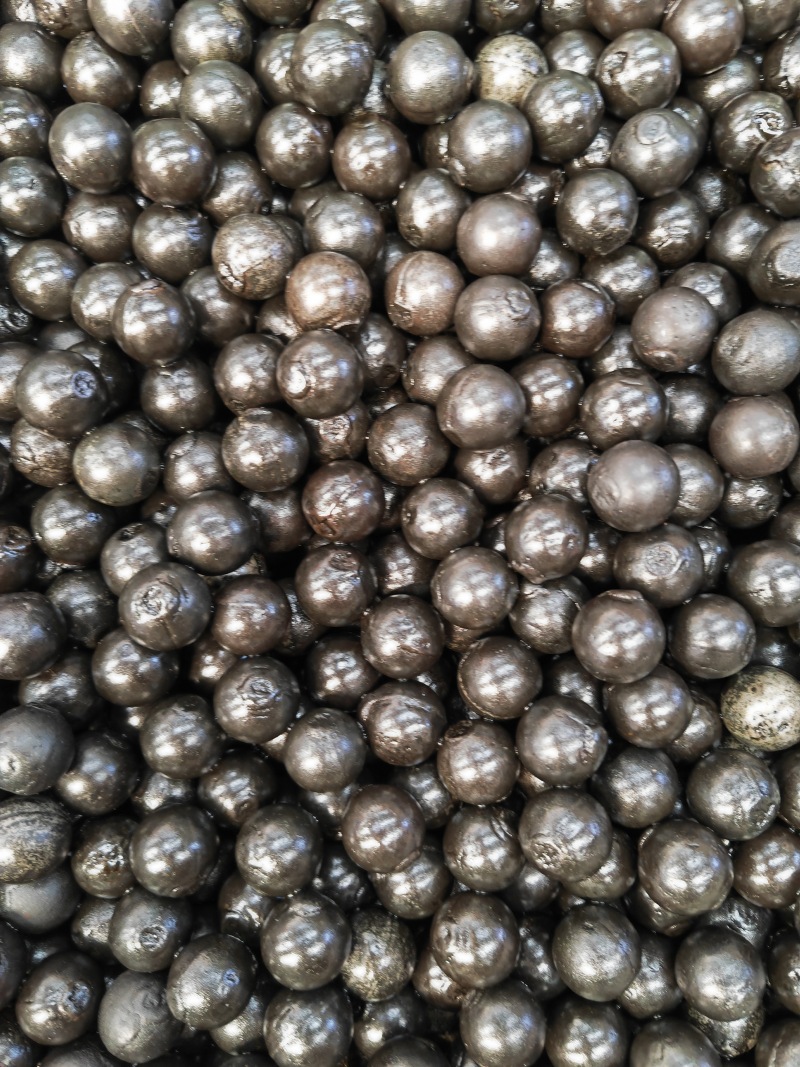
Quality control starts with raw materials. The round steel bars used for forged grinding balls and grinding rods are sourced from large state-owned steel mills in China. Upon arrival at the factory, incoming materials are sampled and tested for chemical composition to verify their quality. For cast grinding balls, raw materials such as ferrochrome and iron scrap are proportioned and melted according to the required product grade. Chemical composition is analyzed after melting to ensure that the molten metal meets the specified requirements. For forged products, ALLSTAR grinding balls operates both air hammer forged and hot-rolling production processes. For cast products, the company uses an advanced coated-sand shell molding process and automated production lines to support consistent manufacturing quality.
Quality inspection is carried out throughout the manufacturing process. Samples are taken from each production batch for inspection. After heat treatment, finished products undergo further testing to check whether they meet the required quality and performance specifications. The company maintains an ISO 9001 Quality Management System and supports product quality verification through professional testing and third-party inspection services, including SGS, BV, and TÜV. For a mill trial, this documentation helps the customer separate media performance from unrelated operational changes.
Case Evidence: Pinto Valley Mine
ALLSTAR grinding balls has demonstrated its trial support through comparative work at Pinto Valley Mine in the USA. The mine conducted a trial lasting nearly six months, using ALLSTAR high chrome grinding balls in one ball mill and another manufacturer’s products in the other. This side-by-side approach allowed the operation to compare consumption, breakage, throughput, and fineness under production conditions.
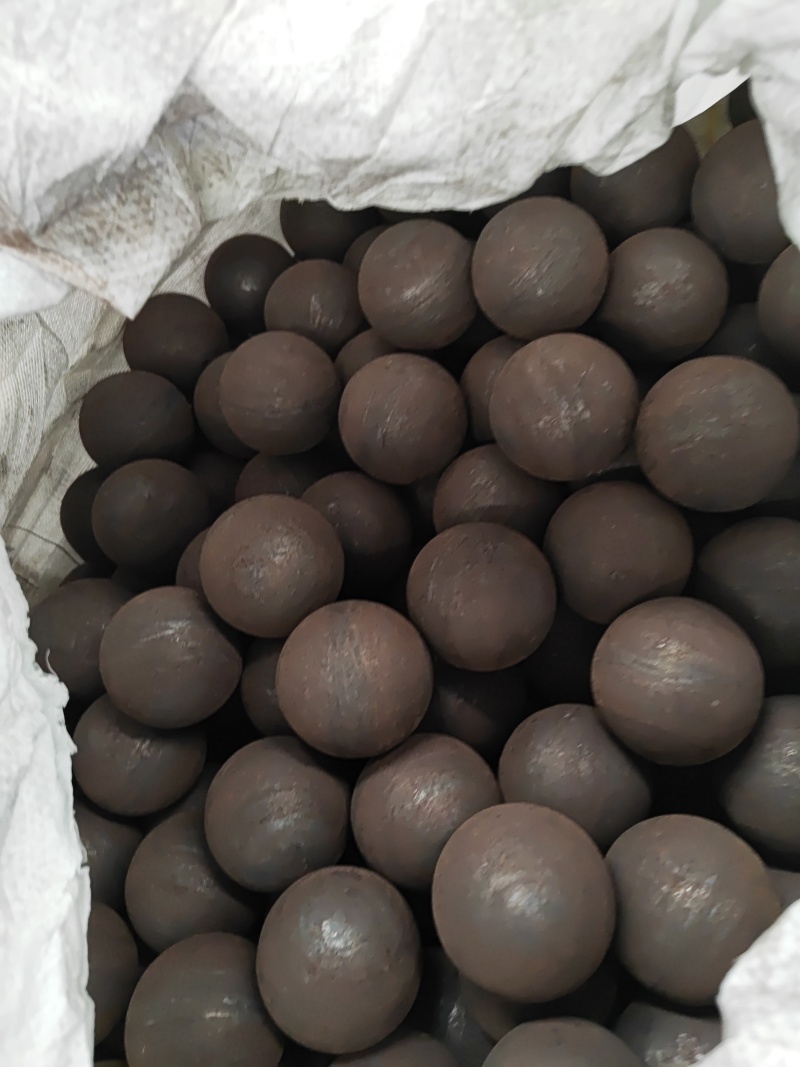
The results were compelling. ALLSTAR grinding-ball consumption remained stable at 0.56–0.59 kg per tonne of run-of-mine ore, with a breakage rate of only 0.2%. By comparison, the other supplier’s consumption reached 0.68 kg/t, with a breakage rate close to 3%. Furthermore, the mill using the competitor’s products recorded more than 70 tonnes per hour lower output and over 5 percentage points lower grinding fineness compared with the mill using ALLSTAR balls.
Following the successful trial, the customer replaced the grinding balls in the second mill with ALLSTAR products as well. Daily processing capacity subsequently reached 53,000 tonnes, exceeding the designed capacity of 50,000 tonnes by 3,000 tonnes. To date, the mine has purchased and used more than 48,000 tonnes of ALLSTAR grinding media, demonstrating long-term confidence in the products and in the trial support process.
Case Evidence: Turkey YD Madencilik
ALLSTAR grinding balls has also achieved notable results in the cement industry. At Turkey YD Madencilik, which operates a combined roller press and ball mill grinding system, grinding media consumption had historically been high because of difficult-to-grind materials such as slag and coarse fly ash. After replacing the grinding balls in both mills with ALLSTAR products in 2016, consumption decreased significantly. The combined grinding-ball consumption dropped from 84.80 g/t in 2016 to 31.93 g/t in 2018. More importantly, the reduction was sustained over the following years, reaching just 25.66 g/t in 2025, approximately 69.7% lower than the 2016 baseline.
These real-world results demonstrate the value of ALLSTAR grinding media: lower grinding media consumption, reduced breakage, improved grinding efficiency, more stable mill operation, and greater production capacity. They also show why trial support should extend beyond the first delivery. A successful trial depends on repeatable product quality, clear data collection, and a willingness to review performance after the trial period.
From Trial Results to Long-Term Value
At ALLSTAR grinding balls, the business philosophy is straightforward: manufacture high-quality products, be a reliable supplier, and build long-term and sustainable partnerships with clients. Rather than focusing solely on individual transactions, the company is committed to creating long-term value through reliable products and responsible business relationships. This philosophy is relevant to mill trials because a trial is often the first step in a multi-year supply relationship.
Customers need more than grinding balls with specified hardness or chemical composition. They need consistent quality, dependable performance, and lower overall grinding costs. ALLSTAR grinding balls combines manufacturing expertise, strict quality control, and practical application experience to deliver solutions that create measurable economic value. The company’s commitment to technological advancement, specialized manufacturing, and continuous innovation has been recognized through government certifications and industry qualifications. These include recognition as a High and New Technology Enterprise and as a Specialized, Sophisticated, Distinctive and Innovative Enterprise. Such recognition reflects the company’s technological capabilities, research and development activities, specialized expertise, advanced manufacturing capabilities, distinctive products, and innovation-driven development.
How ALLSTAR Supports a Mill Trial: A Practical Framework
- Objective setting: define what the trial must prove, such as lower consumption, reduced breakage, higher throughput, or improved fineness.
- Media selection: review mill type, ore or clinker characteristics, feed size, target grind, and existing operating conditions.
- Baseline measurement: record media consumption, breakage, throughput, power draw, and fineness before the trial begins.
- Controlled comparison: where possible, compare performance in a structured way that limits unrelated operational changes.
- Monitoring and sampling: track wear, breakage, and product quality using batch inspection records and agreed data points.
- Performance review: evaluate results against the original objectives and calculate the economic impact.
- Scale-up planning: if results are positive, plan a full conversion with appropriate media sizes and grades for each mill chamber.
This framework allows ALLSTAR grinding balls to support customers without overstating what a trial can prove. The company’s technical personnel can advise on media selection and quality documentation, while the customer remains responsible for mill operation and production decisions. The result is a more disciplined trial process and a clearer basis for long-term supply planning.
Conclusion
Grinding media solution support for mill trials is ultimately about reducing uncertainty. Mining, cement, and power generation operations need to know whether a change in grinding media will lower consumption, reduce breakage, improve grinding efficiency, and support stable production. ALLSTAR grinding balls brings decades of manufacturing experience, a broad product range, rigorous quality control, and documented trial results to that process. From pre-trial planning and media selection to batch inspection and post-trial review, the company supports customers who want measurable performance rather than unverified claims.
ALLSTAR – Proven Performance, Reliable Quality, and Greater Value for Global Industries
SHANDONG ALLSTAR GRINDING BALL CO., LTD. continues to serve mining, cement, and power generation industries worldwide with forged grinding balls, cast grinding balls, high chrome grinding balls, grinding rods, and grinding cylpebs. Its approach to mill trials reflects a broader commitment: reliable products, responsible business relationships, and long-term value for clients.


