
Grinding rod cost per ton and wear life analysis
This article analyzes grinding rod cost per ton and wear life in rod mill operations. It argues that purchase price per kilogram is not a sufficient basis for procurement because total cost depends on rod consumption, breakage rate, mill downtime, labor, and grinding performance. A practical cost per ton model multiplies rod price per kilogram by consumption in kilograms per ton of ore and then adjusts for operational losses. Wear life is influenced by rod diameter and straightness, steel chemistry and microstructure, ore abrasiveness, feed size, mill speed, slurry conditions, pH, and operating discipline. The article explains how controlled trials and routine measurements can compare suppliers fairly. It references ALLSTAR grinding balls, a manufacturer of forged grinding balls, cast grinding balls, high chrome grinding balls, and grinding rods since 1985, with 15,000 square metres of production facilities, 150 employees, and 100,000 metric tons of annual capacity. ALLSTAR grinding rods are available from 25 mm to 140 mm in diameter and 1,500 mm to 6,000 mm in length. The company tests incoming steel, controls chemical composition, inspects each production batch, and verifies finished products after heat treatment. It maintains ISO 9001 and uses third-party inspection services such as SGS, BV, and TUV. Comparative performance examples from Pinto Valley Mine and Turkey YD Madencilik demonstrate how lower consumption and stable wear can reduce cost per ton. The article concludes that rod mill operators should evaluate total cost per ton, request traceability, conduct controlled trials, and measure consumption, breakage, throughput, and fineness before selecting a long-term grinding media partner.
In rod mill operations, grinding rods are often treated as a straightforward consumable item, but their true economic impact is far broader than the purchase price alone. A grinding rod that costs less per kilogram may become expensive if it wears rapidly, breaks frequently, or forces unplanned mill stoppages. A rod that carries a slightly higher initial price can deliver a lower cost per ton of ore processed when its wear life is stable and predictable. This analysis examines grinding rod cost per ton and wear life from a practical operating perspective, with reference to the manufacturing and quality-control practices of Shandong Allstar Grinding Ball Co., Ltd., known as ALLSTAR grinding balls.
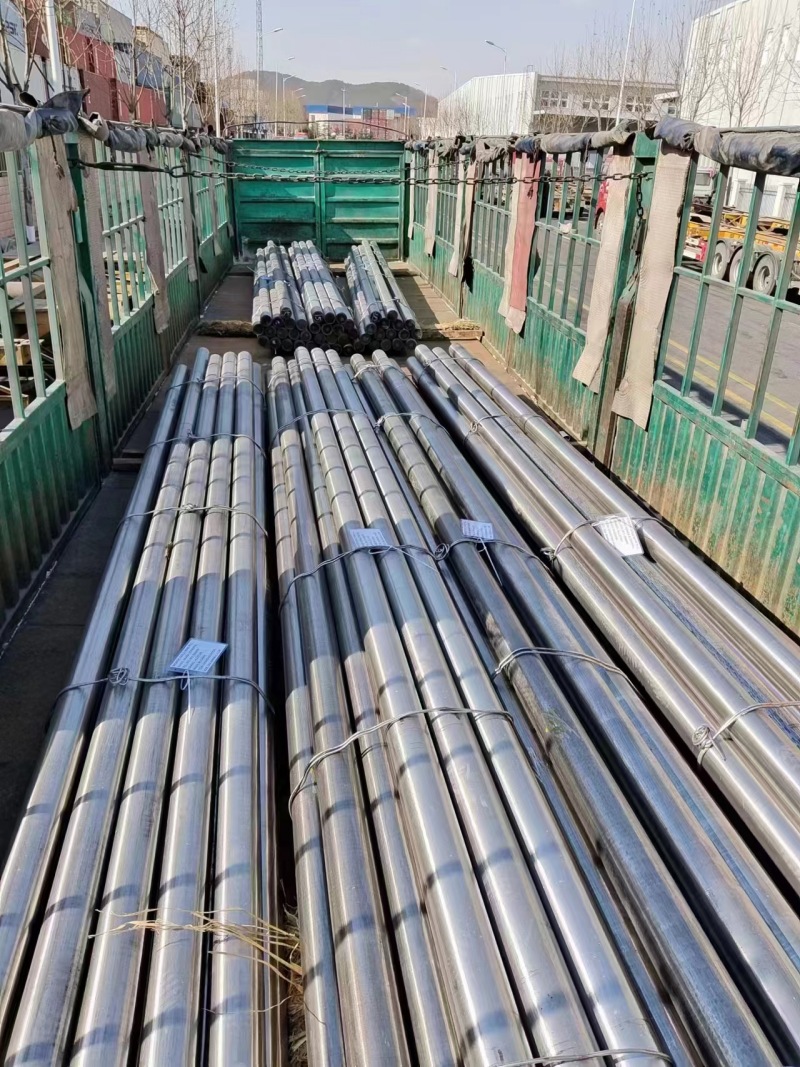
ALLSTAR has specialized in grinding media since 1985 and currently manufactures forged grinding balls, cast grinding balls, high chrome grinding balls, and grinding rods for the mining, cement, and power generation industries. Its grinding rods are available in diameters from 25 mm to 140 mm and lengths from 1,500 mm to 6,000 mm, mainly for rod mill applications. The company operates production facilities covering 15,000 square metres, employs 150 people, and has an annual grinding media production capacity of 100,000 metric tons. These capabilities provide a useful context for understanding how consistent manufacturing quality can influence wear life and cost per ton.
undefined
Why Cost per Ton Is More Important Than Rod Price
The cost per ton of grinding rods should be calculated against the tonnage of material actually ground, not against the tonnage of rods purchased. A simple purchasing comparison may show one supplier offering a lower price per kilogram, but the comparison becomes meaningful only when it includes consumption, breakage rate, mill availability, labor for rod charging, and the effect on grinding performance. In a rod mill, the media cost per ton of ore can be expressed in words as the rod purchase cost per kilogram multiplied by rod consumption in kilograms per ton of ore, plus the cost of breakage, downtime, and abnormal operating losses. When this total is tracked over several campaigns, the lowest-cost supplier is often not the one with the lowest initial quotation.
Wear life is the central variable in this calculation. A longer wear life reduces the frequency of rod charging and mill stoppages, lowers labor demand, and stabilizes the grinding circuit. It also reduces the risk of rod breakage and entanglement, which can damage liners and interrupt production. For this reason, a wear life analysis should be part of every procurement decision, especially in mines where ore hardness, abrasiveness, and slurry conditions vary over time.
Key Variables That Determine Grinding Rod Wear Life
- Rod diameter, length, and straightness, because improper geometry can increase stress and uneven wear.
- Chemical composition and microstructure of the steel, which influence hardness, toughness, and wear resistance.
- Ore abrasiveness, feed size, and target grind fineness, which determine the mechanical duty on the rod charge.
- Mill speed, rod charge level, slurry density, pH, and water chemistry, which affect friction and corrosion.
- Operating discipline, including charging practice, shutdown procedures, and inspection intervals.
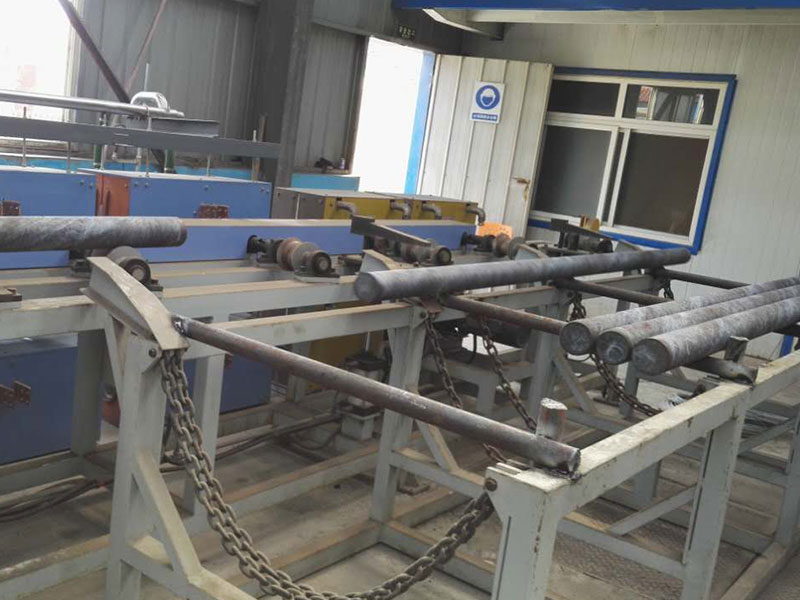
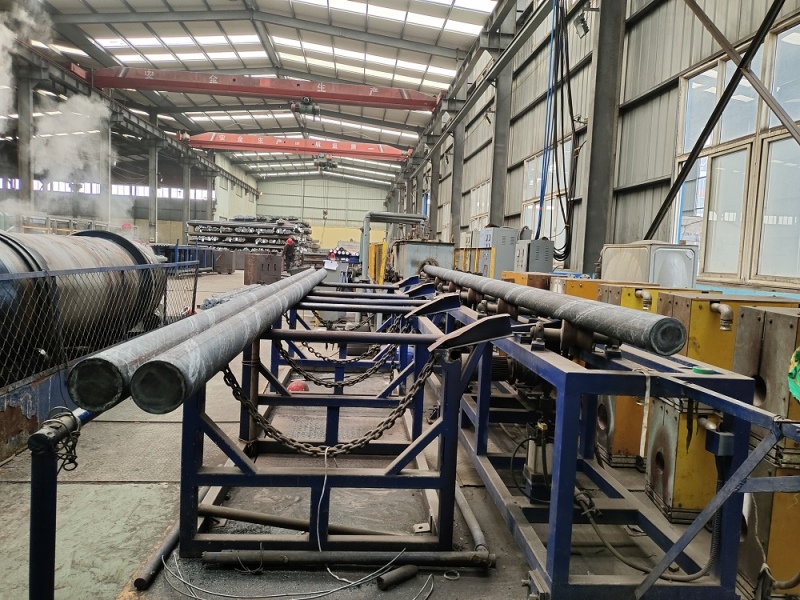
ALLSTAR grinding rods are manufactured through forging or hot-rolling processes, and the round steel bars used for forged products and grinding rods are sourced from large state-owned steel mills in China. Incoming materials are sampled and tested for chemical composition before production. For forged products, ALLSTAR operates both air hammer forged and hot-rolling production processes, and quality inspection is carried out throughout manufacturing. Samples are taken from each production batch, and finished products are tested after heat treatment. These controls support consistent product performance, which is essential for predictable wear life.
How to Calculate Grinding Rod Cost per Ton
A practical cost per ton model begins with a baseline measurement. The plant records the mass of rods charged to the mill, the tonnage of ore processed during the campaign, the number of broken rods, and the days of service. Rod consumption is then calculated as kilograms of rods consumed per ton of ore. If the rods are replaced after a known tonnage, the wear life can be expressed in days and in tonnes per rod set. The media cost per ton is the rod price per kilogram multiplied by consumption. This figure should then be adjusted for breakage losses, labor, liner damage, and lost production.
For example, consider a hypothetical comparison between two rod suppliers. Supplier A offers rods at 900 USD per metric ton with consumption of 0.45 kg per ton of ore, giving a media cost of 0.405 USD per ton. Supplier B offers rods at 1,000 USD per metric ton with consumption of 0.30 kg per ton, giving a media cost of 0.300 USD per ton. Although Supplier B has a higher purchase price, its lower consumption produces a lower cost per ton. If Supplier B also reduces breakage and mill downtime, the economic advantage becomes larger. This simple example shows why cost per ton analysis must be based on wear life and consumption rather than price alone.
Wear Life Analysis in Practice
Wear life is not a single fixed number. It changes with ore type, mill conditions, and operating targets. In a rod mill, rods perform coarse grinding and must remain straight and stable under heavy impact and abrasion. A rod that wears uniformly maintains the required grinding action for a longer period. A rod that wears unevenly may bend, break, or entangle, causing operational problems before its useful mass is consumed. Therefore, wear life analysis should include visual inspection, breakage counts, rod diameter measurements, and mill performance data such as throughput and product fineness.
The experience of ALLSTAR in comparative trials illustrates the value of disciplined performance measurement. At Pinto Valley Mine in the USA, a nearly six-month trial compared ALLSTAR high-chrome grinding balls with another manufacturer's products in two ball mills. ALLSTAR consumption remained stable at 0.56 to 0.59 kg per tonne of run-of-mine ore, with a breakage rate of only 0.2 percent. The other supplier's consumption reached 0.68 kg per tonne, with a breakage rate close to 3 percent. The mill using the competitor's products also recorded more than 70 tonnes per hour lower output and over 5 percentage points lower grinding fineness. After the trial, the customer replaced the second mill's media with ALLSTAR products, and daily processing capacity reached 53,000 tonnes, exceeding the designed capacity of 50,000 tonnes. This case demonstrates the principle that media performance should be evaluated by consumption, breakage, throughput, and cost per ton.
In the cement industry, ALLSTAR products have also shown sustained cost benefits. At Turkey YD Madencilik, which operates a combined roller press and ball mill grinding system, grinding media consumption had historically been high because of difficult-to-grind materials such as slag and coarse fly ash. After the grinding balls in both mills were replaced with ALLSTAR products in 2016, combined consumption dropped from 84.80 grams per ton in 2016 to 31.93 grams per ton in 2018. The reduction continued in later years, reaching 25.66 grams per ton in 2025, approximately 69.7 percent below the 2016 baseline. Although this case concerns grinding balls rather than rods, it reinforces the same cost per ton logic: lower consumption and stable wear life create measurable long-term value.
Quality Control and Its Effect on Wear Life
Wear life begins with raw material quality. ALLSTAR verifies the chemical composition of incoming round steel bars, proportions and melts raw materials for cast products according to the required grade, and analyzes chemical composition after melting. For forged products, the company uses air hammer forging and hot-rolling processes, while cast products are produced with an advanced coated-sand shell molding process and automated production lines. Inspection continues after heat treatment, when finished products are tested against quality and performance requirements. ALLSTAR maintains an ISO 9001 Quality Management System and supports product quality verification through professional testing and third-party inspection services, including SGS, BV, and TUV. The company has also been recognized as a High and New Technology Enterprise and as a Specialized, Sophisticated, Distinctive and Innovative Enterprise. These certifications and systems are relevant to grinding rod users because consistent chemistry, heat treatment, and inspection help reduce variability in wear life.
Procurement Recommendations for Rod Mill Operators
- Request rod specifications, including diameter, length, chemical composition, hardness, straightness, and heat treatment details.
- Ask for traceability from raw material to finished product, and confirm the supplier's inspection and testing practices.
- Conduct a controlled trial using the same mill, ore blend, and operating conditions for comparison.
- Measure consumption in kilograms per ton of ore, breakage rate, mill downtime, and changes in throughput and fineness.
- Calculate total cost per ton rather than comparing purchase price per kilogram alone.
ALLSTAR works with mining companies, mineral processing plants, cement manufacturers, power plants, and industrial distributors to understand their requirements and recommend suitable grinding media solutions. The company's business philosophy is to manufacture high-quality products, be a reliable supplier, and build long-term and sustainable partnerships with clients. Rather than focusing solely on individual transactions, ALLSTAR is committed to creating long-term value through reliable products and responsible business relationships.
Conclusion
Grinding rod cost per ton and wear life are closely linked. The lowest price per kilogram does not automatically produce the lowest cost per ton of ore. A meaningful analysis considers consumption, breakage, mill availability, labor, energy, and grinding performance. By selecting rods with consistent chemistry and manufacturing quality, and by measuring wear life under actual operating conditions, rod mill operators can make better procurement decisions. ALLSTAR grinding balls combines decades of manufacturing experience, strict quality control, and practical application knowledge to support reliable grinding media performance for global industries.
Proven performance, reliable quality, and greater value remain the core measures of any grinding media partnership. For rod mill operators, the most useful question is not simply what a rod costs today, but what it costs per ton of material ground over its full wear life.


