
Grinding rods manufacturer support for rod mill trials
This blog discusses how a grinding rods manufacturer can support rod mill trials in a structured and practical way. It begins by explaining the role of rod mills in mineral processing, where long steel rods grind material through line contact and can help prepare feed for downstream ball milling, gravity separation, or flotation. Because rod mill performance depends on ore characteristics, feed size, mill dimensions, speed, power draw, slurry density, rod charge, and media quality, a trial should be planned as an industrial evaluation rather than a simple price comparison. The article introduces Shandong Allstar Grinding Ball Co., Ltd., known as ALLSTAR, which has manufactured grinding media since 1985. ALLSTAR produces forged grinding balls, cast grinding balls, high chrome grinding balls, grinding rods, and grinding cylpebs. Its grinding rods range from 25 mm to 140 mm in diameter and 1,500 mm to 6,000 mm in length, mainly for rod mills. The company operates 15,000 square metres of production facilities, employs 150 people, and has an annual capacity of 100,000 metric tons. The blog outlines how ALLSTAR can support a rod mill trial by reviewing application data, defining trial objectives and KPIs, supplying traceable trial rods, supporting charging and operating practice, and helping evaluate results. Key trial metrics include rod consumption, breakage rate, wear profile, throughput, product size, power draw, downtime, liner wear, safety, and total grinding cost. Quality control is described from raw material sourcing and chemical composition testing through production inspection and third-party verification such as SGS, BV, and TUV. The article also references ALLSTAR ball mill trial results at Pinto Valley Mine and Turkey YD Madencilik to show the value of structured trials, lower consumption, reduced breakage, and improved efficiency. It concludes that manufacturer support helps customers move from a trial batch to a reliable long-term grinding media partnership.
Rod mill trials are often more complex than they appear from a purchasing perspective. A grinding rod is a long, heavy steel product that must perform reliably inside a mill where line contact, rod charge behaviour, wear, breakage, and product size all interact. For a mine or mineral processing plant, a rod mill trial is therefore not simply a comparison of supplier prices. It is a structured industrial evaluation of whether a grinding media product can deliver stable operation, predictable consumption, acceptable product fineness, and lower total grinding cost. Shandong Allstar Grinding Ball Co., Ltd., known as ALLSTAR, approaches this requirement as a grinding rods manufacturer with decades of manufacturing experience and a practical understanding of how media selection affects mill performance.
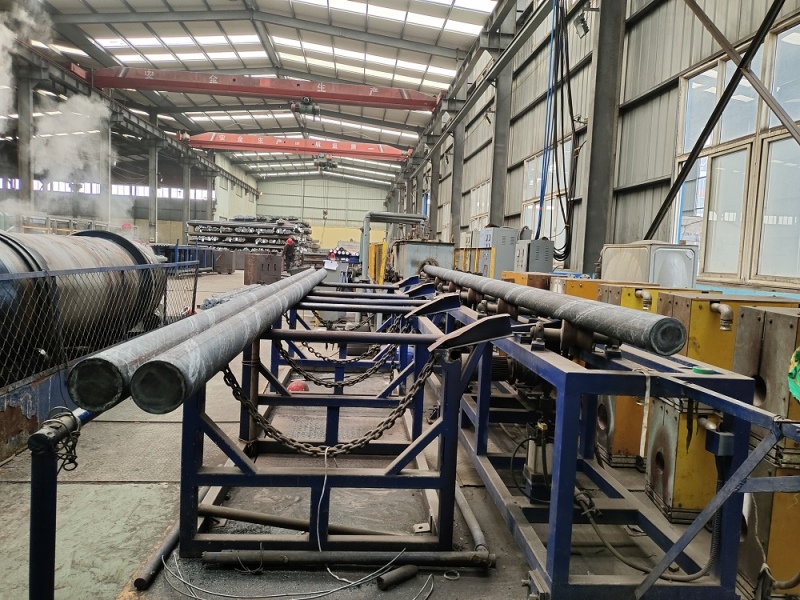
ALLSTAR has specialized in grinding media since 1985. The company was originally a state-owned enterprise and became a privately operated company in 1999, while continuing to uphold rigorous management standards and strict quality control practices. Integrity has remained a fundamental principle of its business operations. Today, ALLSTAR manufactures forged grinding balls, cast grinding balls, high chrome grinding balls, grinding rods, and grinding cylpebs for the mining, cement, and power generation industries. Its production facilities cover 15,000 square metres, the company employs 150 people, and its annual grinding media production capacity reaches 100,000 metric tons. This scale allows the company to support clients across different markets, project sizes, and trial requirements.
Rod Mills and the Function of Grinding Rods
Rod mills are widely used in mineral processing where controlled grinding and relatively uniform product size are important. Unlike ball mills, which rely on point contact from many small grinding bodies, rod mills use long steel rods that grind material through line contact. This characteristic can help reduce over-grinding in some circuits and can prepare feed for downstream ball milling, gravity separation, flotation, or other mineral processing stages. The performance of a rod mill depends on the interaction between ore characteristics, feed size, mill dimensions, rotational speed, power draw, slurry density, rod charge, and the quality of the grinding rods themselves.
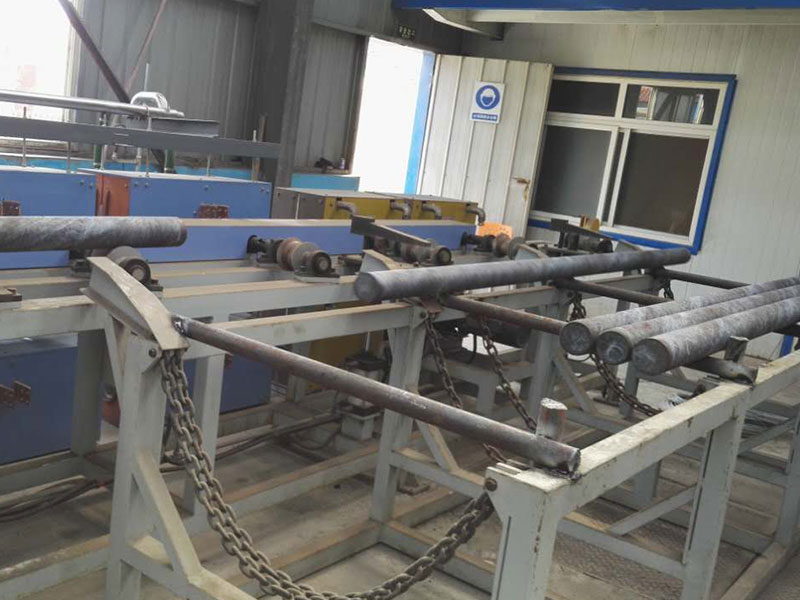
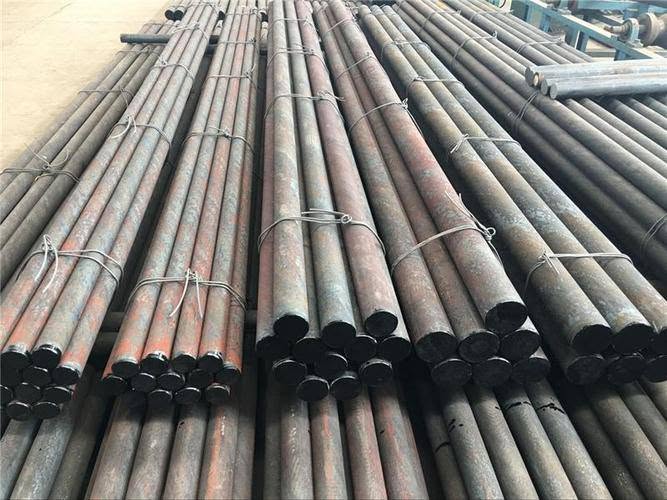
ALLSTAR manufactures grinding rods in diameters from 25 mm to 140 mm and lengths from 1,500 mm to 6,000 mm, mainly designed for rod mills. These rods are part of a broader product range that includes forged grinding balls from 20 mm to 150 mm and cast grinding balls from 6 mm to 150 mm, including different chromium-content grades for various grinding conditions. The company serves mining operations such as gold, copper, platinum, iron ore, nickel, phosphate, and lead-zinc mines, as well as cement plants and power stations. Because different mills, ores, and operating conditions require different grinding media, proper selection is essential for grinding performance, stable mill operation, media consumption, and overall cost control.
Why a Structured Rod Mill Trial Matters
A rod mill trial should begin with a clear purpose. The objective may be to evaluate a new grinding rod supplier, compare wear performance, reduce breakage, improve product size consistency, increase throughput, or lower grinding media consumption. Without a baseline period and a defined trial protocol, results can be difficult to interpret. A trial that measures only the purchase price of rods may miss the larger economic picture. Rod consumption, breakage rate, mill throughput, product fineness, power draw, downtime, liner wear, handling safety, and total grinding cost all influence the true value of a grinding media solution.
A grinding rods manufacturer can support a trial by helping the customer define realistic objectives and measurable key performance indicators. This support does not replace the operating expertise of the mine or plant. Instead, it adds product knowledge, manufacturing data, and application experience to the trial design. The manufacturer can review historical operating data, discuss the ore characteristics, and recommend a suitable rod diameter and length for the mill. It can also help the customer plan a trial batch with traceable quality information, so that the trial is based on a known product rather than on assumptions.
How ALLSTAR Supports a Rod Mill Trial
1. Reviewing Application Data
Before a trial begins, ALLSTAR works with the customer to collect relevant application information. This may include the type of ore, ore hardness, feed size, target product size, mill dimensions, mill speed, installed power, current rod charge, slurry density, water flow, liner condition, historical rod consumption, breakage history, and any safety or handling concerns. The company can then recommend grinding rod specifications and discuss whether the proposed trial should be a full mill charge, a partial charge, or a controlled comparison in a specific circuit. For rod mills, the diameter and length of the rods must match the mill dimensions and operating practice, while the steel quality and straightness must support reliable charging and stable operation.
2. Defining Trial Objectives and KPIs
ALLSTAR encourages customers to define trial objectives before the first rod is charged. Useful indicators include rod consumption in kilograms per tonne or grams per tonne, breakage rate, wear profile, mill throughput, product size distribution, target P80, power draw, unscheduled downtime, liner wear, and handling safety. The trial should also include a baseline period using existing rods, so that later results can be compared fairly. If the customer wants to evaluate economic value, the calculation should include media cost, consumption, breakage losses, downtime, energy, and any changes in downstream processing performance. This approach helps turn a trial from a simple product test into a meaningful industrial evaluation.
3. Supplying Traceable Trial Rods
Quality control starts with raw materials. The round steel bars used for forged grinding balls and grinding rods are sourced from large state-owned steel mills in China. Upon arrival at the factory, incoming materials are sampled and tested for chemical composition to verify their quality. For forged products, ALLSTAR operates both air hammer forged and hot-rolling production processes. For cast products, the company uses an advanced coated-sand shell molding process and automated production lines to support consistent manufacturing quality. Quality inspection is carried out throughout the manufacturing process, and samples are taken from each production batch for inspection. For a rod mill trial, this discipline helps provide traceability and confidence that the trial rods meet the agreed specifications.
4. Supporting Charging and Operating Practice
Grinding rods must be handled and charged correctly to support safe and stable mill operation. ALLSTAR can provide product information and practical guidance to help the customer review rod charging practice, rod length, diameter, and trial monitoring. The mine or plant remains responsible for its operating procedures, safety systems, and mill control, but the manufacturer can help the customer avoid avoidable trial problems related to product specification or handling. Clear communication between the customer and the grinding rods manufacturer is important during the trial period, especially when the customer observes changes in mill load, power draw, product size, or rod condition.
5. Monitoring and Evaluating Results
During the trial, the customer should record daily operating data and inspect the rod charge at suitable intervals. Worn rods can provide useful information about wear patterns and breakage. The manufacturer can help interpret this information and compare it with the trial objectives. After the trial, the customer can decide whether to continue with the new rods, adjust the specification, or extend the trial. A successful trial should show not only acceptable consumption but also stable mill operation, reasonable breakage, consistent product size, and a clear economic benefit. This is the same disciplined approach that ALLSTAR applies to grinding media evaluations in other mill types.
Quality Control Behind Trial Confidence
A trial is only as reliable as the product behind it. ALLSTAR maintains an ISO 9001 Quality Management System and supports product quality verification through professional testing and third-party inspection services, including SGS, BV, and TUV. The company has also received government and industry recognition, including High and New Technology Enterprise status and Specialized, Sophisticated, Distinctive and Innovative Enterprise status. These recognitions reflect technological capability, research and development activity, specialized manufacturing expertise, distinctive products, and innovation-driven development. For customers planning a rod mill trial, such qualifications are not merely certificates. They indicate that the manufacturer has established systems for material control, production inspection, and quality assurance.
The company's business philosophy is simple: manufacture high-quality products, be a reliable supplier, and build long-term and sustainable partnerships with clients. Rather than focusing solely on individual transactions, ALLSTAR is committed to creating long-term value through reliable products and responsible business relationships. This philosophy is particularly relevant to rod mill trials, because a trial is often the beginning of a longer supply relationship. The customer needs a manufacturer that can provide consistent quality after the trial, not only a good sample before the order.
Selection Factors for Grinding Rods
Several factors should be considered when selecting grinding rods for a rod mill trial. The mill type and dimensions determine the feasible rod diameter and length. The ore characteristics influence the required grinding energy and wear environment. The feed size and target product size affect the grinding strategy. The existing rod charge, mill speed, power draw, and slurry conditions influence how the rods will behave in service. Safety and handling requirements must also be reviewed. Finally, the total cost of ownership should be considered, including consumption, breakage, downtime, and the effect on downstream processing.
- Mill dimensions and configuration: rod diameter and length must suit the mill and charging practice.
- Ore characteristics: hardness, abrasiveness, and feed size affect wear and grinding performance.
- Product requirements: target fineness and size distribution influence media selection.
- Operating conditions: speed, power draw, slurry density, and water flow affect rod behaviour.
- Consumption and breakage: stable wear and low breakage support predictable operation.
- Safety and handling: straightness, surface quality, and correct charging practice matter.
- Total grinding cost: the lowest purchase price is not always the lowest operating cost.
Different grinding media are selected according to the mill type, material characteristics, and operating conditions. In mining applications, forged grinding balls are commonly selected for wet grinding, while cast grinding balls are often used in dry grinding operations. High chrome cast grinding balls are widely used in cement plants and power stations. Grinding rods are mainly used in rod mills for mineral processing. The final selection should always consider the actual operating conditions, and a trial can provide valuable data for that decision.
Lessons from ALLSTAR Grinding Media Trials
ALLSTAR's experience in ball mill trials illustrates the value of structured evaluation. At Pinto Valley Mine in the USA, the mine conducted a trial lasting nearly six months using ALLSTAR high chrome grinding balls in one ball mill and another manufacturer's products in the other. ALLSTAR grinding-ball consumption remained stable at 0.56 to 0.59 kg per tonne of run-of-mine ore, with a breakage rate of only 0.2 percent. By comparison, the other supplier's consumption reached 0.68 kg per tonne, with a breakage rate close to 3 percent. The mill using the competitor's products also recorded more than 70 tonnes per hour lower output and over 5 percentage points lower grinding fineness compared with the mill using ALLSTAR balls. Following the successful trial, the customer replaced the grinding balls in the second mill with ALLSTAR products as well. Daily processing capacity subsequently reached 53,000 tonnes, exceeding the designed capacity of 50,000 tonnes by 3,000 tonnes. To date, the mine has purchased and used more than 48,000 tonnes of ALLSTAR grinding media.
ALLSTAR has also achieved notable results in the cement industry. At Turkey YD Madencilik, which operates a combined roller press and ball mill grinding system, grinding media consumption had historically been high due to difficult-to-grind materials such as slag and coarse fly ash. After replacing the grinding balls in both mills with ALLSTAR products in 2016, consumption decreased significantly. The combined grinding-ball consumption dropped from 84.80 grams per tonne in 2016 to 31.93 grams per tonne in 2018. More importantly, the reduction was sustained over the following years, reaching just 25.66 grams per tonne in 2025, approximately 69.7 percent lower than the 2016 baseline. These results demonstrate the value of lower grinding media consumption, reduced breakage, improved grinding efficiency, more stable mill operation, and greater production capacity.
These cases are not rod mill trials, but they show the same principle that applies to grinding rods: a trial should be designed around measurable operating outcomes. A manufacturer that understands quality control, application data, and trial evaluation can help a customer move from a short trial to a reliable long-term solution. For rod mills, the specific metrics may differ, but the discipline is similar. The customer needs a baseline, a clear protocol, traceable trial rods, careful monitoring, and an economic evaluation that looks beyond the initial purchase price.
What a Rod Mill Trial Should Measure
A well-designed rod mill trial should measure both product performance and mill performance. Product performance includes rod consumption, breakage rate, wear profile, and dimensional changes. Mill performance includes throughput, power draw, product size distribution, target P80, slurry density, and operational stability. Economic performance includes media cost per tonne, cost per tonne of product, downtime, liner wear, and any effect on downstream processing. Safety performance includes handling, charging, and inspection practices. When these factors are reviewed together, the customer can make a more informed decision about whether to adopt the trial rods and how to optimize the specification for long-term use.
ALLSTAR works with mining companies, mineral processing plants, cement manufacturers, power plants, and industrial distributors to understand their requirements and recommend suitable grinding media solutions. For rod mill trials, early technical engagement is especially useful. By discussing the application before the trial begins, the customer and manufacturer can align on rod specifications, trial duration, data collection, and success criteria. This reduces the risk of an inconclusive trial and helps ensure that the results can be used for a clear commercial and technical decision.
Conclusion
Grinding rods manufacturer support for rod mill trials is most valuable when it combines product quality, application knowledge, and a structured approach to evaluation. ALLSTAR brings decades of manufacturing experience, a broad grinding media product range, strict quality control, and proven performance in industrial grinding applications. Its grinding rods are available in diameters from 25 mm to 140 mm and lengths from 1,500 mm to 6,000 mm, mainly for rod mills in mineral processing. The company's ISO 9001 system, third-party inspection support, and government-recognized innovation credentials provide additional confidence for customers planning a trial.
For mines and processing plants, a rod mill trial should be treated as an investment in information. The right trial can reveal how a grinding rod performs under actual operating conditions, how it affects throughput and product size, and whether it supports lower total grinding cost. ALLSTAR's approach is to support that process with reliable products, transparent quality information, and practical application experience. The goal is not simply to supply a trial batch, but to build a long-term partnership based on measurable performance and responsible business relationships. In this way, a grinding rods manufacturer can contribute real value before, during, and after a rod mill trial.


