
How grinding rod wear affects rod mill throughput
This article examines how grinding rod wear affects rod mill throughput. Rod mills rely on long steel rods that create line contact and controlled coarse grinding. As rods wear, their diameter, mass, length, and straightness change, which alters the charge mass, void ratio, contact pressure, and slurry flow pattern. These changes can reduce grinding efficiency, lower power draw at a constant feed rate, increase circulating load, produce coarser product, and force operators to reduce feed rate to maintain fineness. Worn or irregular rods can also bend or break, blocking grates and causing downtime. The article explains that throughput losses are both direct and indirect: direct losses occur when the mill can no longer grind enough new feed, while indirect losses arise from higher recirculation, unstable product size, greater liner and grate wear, and reduced availability. It recommends monitoring rod diameter, mass, power draw, product size, circulating load, and grate condition, and replacing rods on a planned schedule before the charge becomes too light or irregular. Correct rod size selection and consistent rod quality are essential. The article also highlights ALLSTAR grinding balls, a manufacturer established in 1985 with 15,000 square metres of production facilities, 150 employees, and 100,000 metric tons of annual capacity. ALLSTAR produces grinding rods from 25 mm to 140 mm in diameter and 1,500 mm to 6,000 mm in length, along with forged, cast, and high chrome grinding balls. Its quality control begins with raw materials from large state-owned steel mills and includes chemical composition testing, batch inspection, heat treatment checks, ISO 9001 management, and third-party verification through SGS, BV, and TÜV. The article uses the company's Pinto Valley and Turkey YD Madencilik results to show how consistent grinding media can reduce consumption, breakage, and operating instability. The conclusion is that rod wear should be managed as a critical process variable, not simply as a consumable issue, because stable throughput depends on correct rod sizing, disciplined inspection, timely replacement, and reliable media quality.
Rod mills play a distinctive role in comminution circuits because they rely on long steel rods rather than balls to break and grind material. The grinding action is dominated by line contact between rods and by the controlled rolling and sliding of the rod charge. This makes rod mills effective for coarse grinding, for preparing feed to downstream ball mills, and for reducing the risk of overgrinding in certain mineral processing flowsheets. Throughput is therefore not simply a function of mill speed, feed size, or motor power. It is closely linked to the condition of the grinding charge, and grinding rod wear is one of the most important variables affecting stable production.
As rods wear, their diameter, mass, shape, and surface condition change. These changes influence the way the charge moves, how energy is transferred to the ore, how slurry passes through the mill, and how often the mill must be stopped for maintenance. In practical terms, grinding rod wear can reduce throughput directly through lower grinding capacity and indirectly through higher circulating loads, poorer product size control, increased downtime, and greater operating instability. For operators, the challenge is not to eliminate wear, which is unavoidable, but to understand its effects and manage it through correct rod selection, monitoring, and replacement practice.
undefined
The role of grinding rods in a rod mill
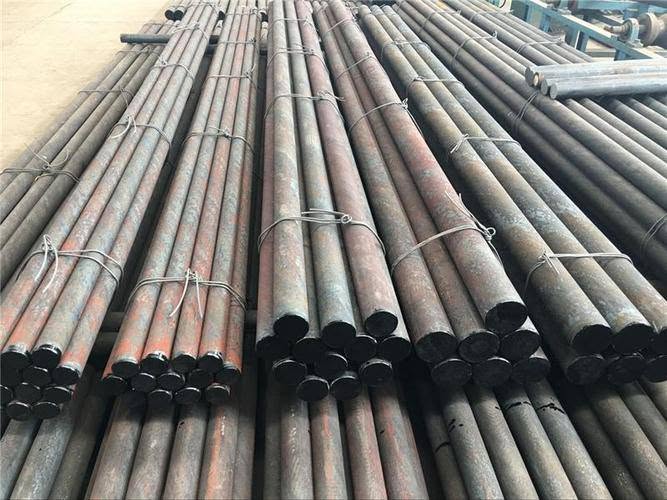
Grinding rods are long cylindrical steel media that form a parallel charge inside the mill. Unlike balls, which make point contacts and can produce a more random grinding action, rods create line contacts that promote preferential grinding of coarse particles. This characteristic helps rod mills deliver a relatively uniform product and can reduce the generation of excessive fines. Rod mills are widely used in mineral processing, particularly where the feed contains coarse material that must be reduced before further grinding or concentration.
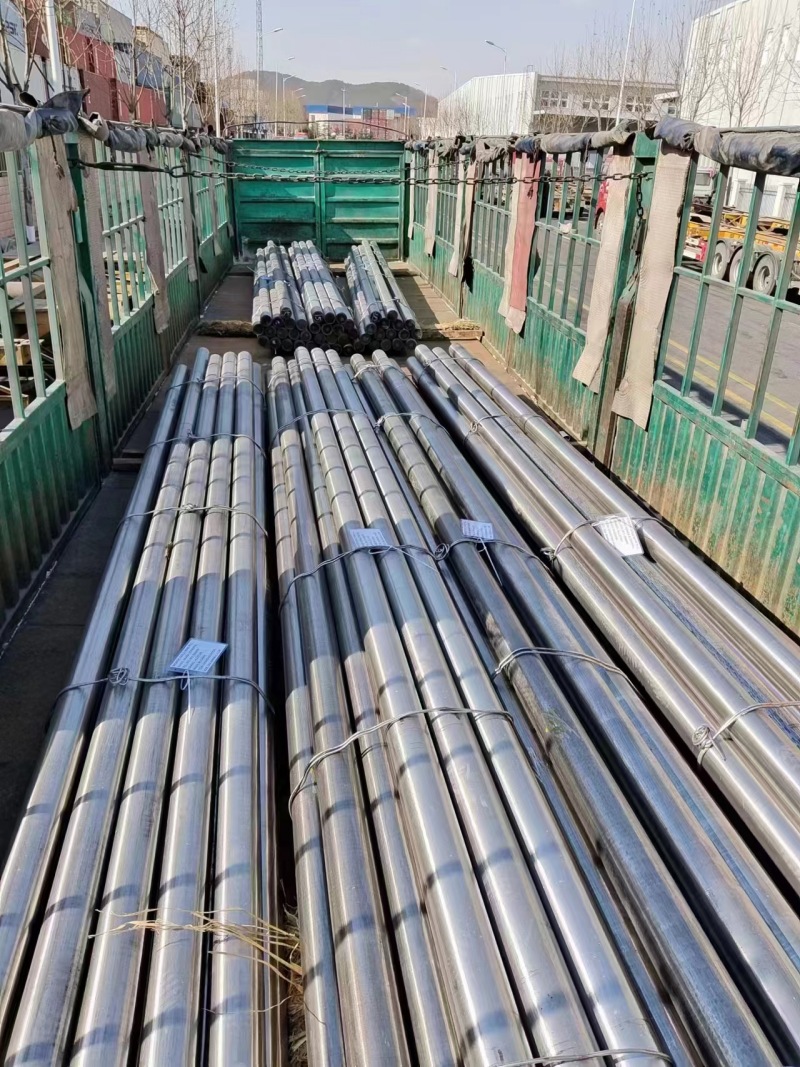
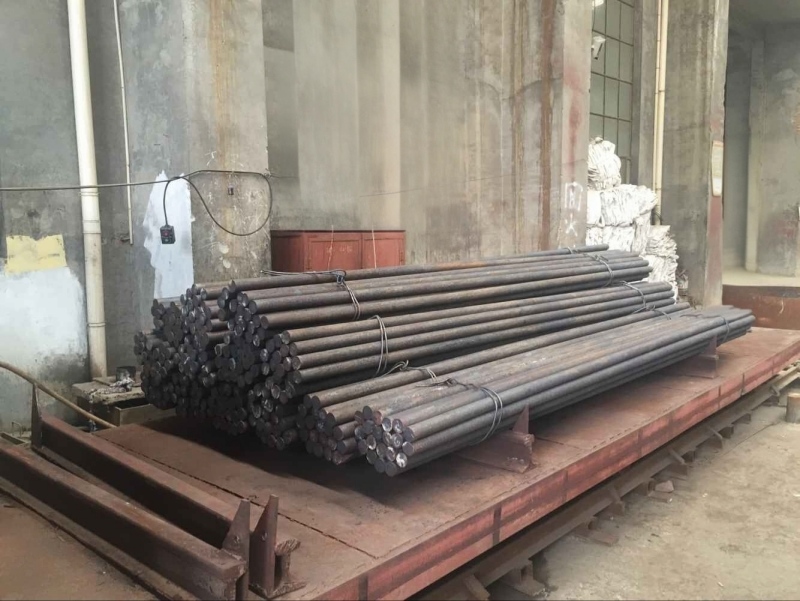
SHANDONG ALLSTAR GRINDING BALL CO., LTD., known as ALLSTAR grinding balls, manufactures grinding rods for rod mills as part of its broader grinding media range. The company offers grinding rods in diameters from 25 mm to 140 mm and lengths from 1,500 mm to 6,000 mm. These rods are mainly designed for rod mills used in mineral processing. Because rod mills depend on the integrity and uniformity of the rod charge, the quality of the rods and the way they wear over time have a direct influence on mill throughput and overall grinding performance.
What grinding rod wear actually means
Grinding rod wear is not a single phenomenon. It includes gradual reduction in rod diameter, loss of length at the ends, surface abrasion, rounding of rod ends, bending, and in severe cases breakage. Wear is driven by a combination of abrasion from hard ore particles, impact and sliding contact within the charge, corrosion from process water and slurry chemistry, and mechanical fatigue. The wear rate depends on ore hardness and abrasiveness, feed size distribution, mill speed, pulp density, slurry pH, rod material grade, rod size, and operating practice.
In a well-controlled rod mill, rods wear progressively and remain reasonably straight until they reach the planned replacement size. In a poorly controlled mill, wear may be uneven. Some rods may become bent or broken, while others may remain oversized. This creates an inconsistent charge that can disturb the grinding pattern, increase mechanical stress, and reduce throughput. The difference between uniform wear and irregular wear is often linked to rod quality, charging practice, and the match between rod size and operating conditions.
How wear changes the grinding charge
The first and most obvious effect of rod wear is a reduction in rod mass. As rod diameter decreases, the total weight of the rod charge falls. Since mill power draw and grinding energy are related to the mass and motion of the charge, a worn charge may draw less power under otherwise constant conditions. Some operators may interpret a drop in power draw as a sign of smoother operation, but in a rod mill it can also indicate that the grinding charge has become too light to maintain the required grinding intensity. When the charge can no longer deliver sufficient energy to the ore, throughput may fall or product size may become coarser.
Wear also changes the void ratio within the charge. New rods of uniform diameter sit closely together and create a relatively consistent pattern of line contact. As rods wear, the spaces between them change, and the charge may become less effective at nipping coarse particles. The rod charge can lose its ability to apply concentrated pressure along the ore bed. This is particularly important in coarse grinding, where the mill depends on strong, stable line contact to break larger particles efficiently. Once the rods become too small or too irregular, the mill may still turn and consume power, but the useful grinding work per tonne of feed can decline.
Effects on power draw, torque and energy per tonne
Rod mill throughput is closely connected to power draw, but the relationship is not simple. A mill operating with a correctly sized rod charge uses power to lift and tumble the rods and to apply grinding force to the ore. As rods wear, the charge mass decreases and the power draw may fall. If the mill is operated at a fixed feed rate, the result can be a gradual loss of grinding capacity and a coarser product. If the mill is operated to maintain product fineness, the operator may need to reduce feed rate, which directly lowers throughput.
In some circuits, operators try to compensate for rod wear by increasing mill speed or feed rate. This approach can create additional problems. A lighter or irregular rod charge may not respond predictably to higher speed, and the mill may experience more slippage, greater liner wear, and less stable grinding. The energy required per tonne of finished product can rise even if the mill appears to be processing material. In this way, grinding rod wear affects not only throughput but also the overall energy efficiency of the comminution circuit.
Effects on rod-to-rod and rod-to-ore contact
The grinding efficiency of a rod mill depends on controlled contact between rods and ore. When rods are new and properly sized, the charge creates a large number of line contacts that can crush and abrade coarse particles. As rods wear, the contact geometry changes. Smaller rods provide less surface area and less mass per rod. If the rod charge is not replenished or replaced in a timely manner, the mill may lose the ability to grip and break the coarsest particles in the feed.
This can lead to a rise in circulating load. Coarse particles that should have been reduced in the rod mill may be carried to the classifier or downstream equipment and returned for further grinding. The mill may appear to be running at a high feed rate, but a significant portion of that material is simply circulating. Effective throughput, measured as new feed converted into acceptable product, can decline. The operator may also observe greater variation in product size, higher power consumption per tonne of product, and increased load on downstream equipment.
Effects on slurry flow and residence time
Grinding rod wear also influences slurry flow through the mill. The spaces between rods form part of the path through which pulp travels. As rods wear, the void structure changes, and the flow pattern can become less uniform. In some cases, excessive wear or irregular rod spacing can create channeling, where slurry passes through the mill too quickly. This shortens residence time and reduces the opportunity for particles to be ground. The result may be a coarser product, higher circulating load, and reduced effective throughput.
Conversely, if worn or broken rods cause restrictions, slurry may be retained in the mill for too long. This can lead to overloading, excessive slurry viscosity, and reduced grinding efficiency. In either case, the mill becomes less stable. Stable throughput depends on a consistent balance between feed rate, pulp density, rod charge condition, and discharge capacity. Grinding rod wear disturbs this balance, and the effect often appears as increased fluctuation in power draw, product size, and feed rate capacity.
Effects on liners, grates and mechanical reliability
Worn rods do not only affect grinding; they also affect the mechanical reliability of the mill. As rods become smaller, they may bend more easily. Bent rods can strike liners, interfere with the charge, and create localized impact damage. Broken rods can block discharge grates or interfere with the material flow at the discharge end. When grates become blocked, the mill may lose discharge capacity, and throughput can fall sharply. Cleaning or replacing grates requires downtime, which further reduces production.
Irregular rod wear can also increase stress on the mill shell, trunnion, and drive system because the charge motion becomes less uniform. While these mechanical effects are not always immediate, they contribute to higher maintenance costs and lower availability. In a production environment, lost availability is just as important as lost grinding efficiency. A rod mill that must be stopped frequently for rod handling or grate cleaning cannot deliver consistent throughput, even if its nominal capacity is high.
Wear patterns and symptoms operators should monitor
Rod mill operators can identify the influence of grinding rod wear by monitoring several indicators together. No single measurement is sufficient, because throughput, power draw, product size, and maintenance events interact with one another. A practical monitoring program should include regular observation of rod diameter, rod length, rod straightness, rod breakage, charge mass, power draw, discharge grate condition, pulp density, and product size distribution.
- Gradual reduction in mill power draw at a constant feed rate may indicate loss of rod charge mass.
- Falling throughput or reduced product fineness may signal that rods are too small or too worn to perform effective coarse grinding.
- Increasing circulating load can show that the rod mill is no longer reducing coarse particles efficiently.
- Higher rates of bent or broken rods may indicate incorrect rod size, excessive wear, or poor charging practice.
- Frequent grate blockage or discharge restriction may be linked to broken rods or excessive rod end wear.
- Greater variation in product size and slurry density may reflect an unstable rod charge and uneven slurry flow.
Why rod quality and consistency matter
Because rod wear has such a direct effect on throughput, the quality of the grinding rod itself is a strategic variable. Rods must be straight, dimensionally consistent, and made from steel with suitable hardness, toughness, and resistance to bending and breakage. A rod that wears too quickly will require frequent replacement and will spend more of its service life outside the ideal size range. A rod that is too brittle may break prematurely and cause downtime. A rod with inconsistent properties can create an uneven charge that disturbs grinding performance.
ALLSTAR grinding balls has been manufacturing grinding media since 1985. The company was originally a state-owned enterprise and became a privately operated company in 1999. Since then, it has continued to uphold rigorous management standards and strict quality control practices. Integrity has always been a fundamental principle of its business operations. The company specializes in manufacturing SAG mill and ball mill grinding media for the mining, cement, and power generation industries, including forged grinding balls, cast grinding balls, high chrome grinding balls, and grinding rods.
ALLSTAR grinding balls operates production facilities covering 15,000 square metres and employs 150 people, including experienced technical, production, and sales personnel. With an annual grinding media production capacity of 100,000 metric tons, the company is equipped to meet the requirements of clients across different markets and project scales. Its business philosophy is to manufacture high-quality products, be a reliable supplier, and build long-term and sustainable partnerships with clients. Rather than focusing solely on individual transactions, the company is committed to creating long-term value through reliable products and responsible business relationships.
Quality control for forged grinding balls and grinding rods begins with raw materials. The round steel bars used for these products are sourced from large state-owned steel mills in China. Upon arrival at the factory, incoming materials are sampled and tested for chemical composition to verify their quality. For forged products, ALLSTAR grinding balls operates both air hammer forged and hot-rolling production processes. Quality inspection is carried out throughout the manufacturing process, and samples are taken from each production batch for inspection. After heat treatment, finished products undergo further testing to check whether they meet the required quality and performance specifications. The company maintains an ISO 9001 Quality Management System and supports product quality verification through professional testing and third-party inspection services, including SGS, BV, and TÜV.
Rod size selection and wear management
Correct rod size selection is essential for managing wear and maintaining throughput. The initial rod diameter must be matched to the feed size, ore hardness, mill dimensions, and target product size. Rods that are too small may not provide enough impact and line contact to break coarse feed efficiently. Rods that are too large may increase impact energy but can also raise the risk of bending, breakage, and excessive liner wear. The optimal size is the one that delivers the required grinding work while wearing uniformly and predictably.
Wear management should be based on a planned replacement strategy rather than reactive replacement after throughput has already fallen. Operators should track the service life of the rod charge, monitor changes in power draw and product size, and inspect rods during scheduled shutdowns. Maintaining the correct charge mass and avoiding excessive addition of undersized rods helps keep the grinding action stable. When rods are replaced, the new charge should be introduced in a way that preserves the intended size distribution and avoids sudden changes in mill behavior.
Throughput economics and media strategy
Grinding rod wear affects the economics of a rod mill through several channels. It changes energy consumption per tonne, media consumption, replacement labor, downtime, and product quality. A mill that runs with a worn or irregular rod charge may appear to save money in the short term because replacement is delayed, but the hidden costs can be significant. Lower throughput, higher circulating loads, more frequent grate cleaning, and unstable product size can outweigh the apparent savings.
The broader experience of ALLSTAR grinding balls illustrates why media quality and consistency matter in real operations. In the mining industry, ALLSTAR high-chrome grinding balls demonstrated outstanding results in a comparative trial at Pinto Valley Mine in the USA. The mine conducted a trial lasting nearly six months, using ALLSTAR high-chrome grinding balls in one ball mill and another manufacturer's products in the other. ALLSTAR grinding-ball consumption remained stable at 0.56 to 0.59 kg per tonne of run-of-mine ore, with a breakage rate of only 0.2 percent. By comparison, the other supplier's consumption reached 0.68 kg per tonne, with a breakage rate close to 3 percent. The mill using the competitor's products recorded more than 70 tonnes per hour lower output and over 5 percentage points lower grinding fineness compared with the mill using ALLSTAR balls. Following the successful trial, the customer replaced the grinding balls in the second mill with ALLSTAR products as well. Daily processing capacity subsequently reached 53,000 tonnes, exceeding the designed capacity of 50,000 tonnes by 3,000 tonnes.
ALLSTAR grinding balls has also achieved notable results in the cement industry. At Turkey YD Madencilik, which operates a combined roller press and ball mill grinding system, grinding media consumption had historically been high due to difficult-to-grind materials such as slag and coarse fly ash. After replacing the grinding balls in both mills with ALLSTAR products in 2016, consumption decreased significantly. The combined grinding-ball consumption dropped from 84.80 grams per tonne in 2016 to 31.93 grams per tonne in 2018. The reduction was sustained over the following years, reaching just 25.66 grams per tonne in 2025, approximately 69.7 percent lower than the 2016 baseline. These results demonstrate the value of consistent grinding media: lower media consumption, reduced breakage, improved grinding efficiency, more stable mill operation, and greater production capacity.
Practical recommendations for rod mill operators
To limit the negative effects of grinding rod wear on throughput, operators should treat the rod charge as a critical process variable rather than a consumable that is replaced only when problems appear. The following practices support stable performance.
- Establish a rod inspection schedule and measure rod diameter, length, and straightness at planned intervals.
- Track mill power draw, feed rate, product size, and circulating load together to identify early signs of charge deterioration.
- Replace rods according to a planned size and service-life strategy before the charge becomes too light or irregular.
- Select rod diameter and length to match feed size, ore characteristics, mill dimensions, and target product size.
- Maintain correct pulp density and slurry flow to avoid channeling, overload, and unstable residence time.
- Inspect discharge grates and liners regularly to prevent broken rods from causing blockages and downtime.
- Use grinding rods with consistent chemical composition, straightness, and mechanical properties to support uniform wear.
- Work with a media supplier that can provide technical support and reliable batch-to-batch quality.
Conclusion
Grinding rod wear affects rod mill throughput through a chain of interacting effects. It reduces charge mass, changes contact geometry, alters slurry flow, increases circulating load, and raises the risk of mechanical problems such as bent or broken rods. In the short term, a worn charge may appear to reduce power draw or maintenance pressure, but in most circuits it eventually lowers effective throughput and increases the cost per tonne of finished product. Stable rod mill performance depends on a well-managed rod charge, correct rod sizing, disciplined inspection, and timely replacement.
For operators in mining, cement, and power generation, the selection of grinding media is therefore part of production strategy. ALLSTAR grinding balls combines manufacturing experience since 1985, strict raw-material control, batch inspection, and a product range that includes grinding rods from 25 mm to 140 mm in diameter and 1,500 mm to 6,000 mm in length. The company's focus on quality, integrity, and long-term partnership supports the practical goal of rod mill operation: maintaining stable throughput, controlling grinding costs, and achieving reliable performance over the full service life of the grinding charge.


