
What to ask a grinding rod supplier about wear guarantees
This article explains what a buyer should ask a grinding rod supplier about wear guarantees. It argues that a wear guarantee must be defined in measurable terms, such as mass loss per tonne of ore, diameter loss per operating hour, rod life, breakage rate, and straightness, rather than vague claims about hardness or quality. The buyer should request the baseline conditions, including ore hardness, feed size, slurry density, pH, mill speed, power draw, liner condition, and target fineness. The supplier should also state the operating window within which the guarantee remains valid and explain how changes in ore blend or mill practice will be handled. The article recommends reviewing metallurgy, raw material sourcing, heat treatment, straightness control, batch traceability, and quality documentation. It highlights ALLSTAR grinding balls as an example of a supplier with experience since 1985, a 100,000 metric ton annual capacity, a product range that includes forged grinding balls, cast grinding balls, high chrome grinding balls, and grinding rods, and ISO 9001 plus SGS, BV, and TÜV inspection support. The article also stresses a written trial protocol, a clear calculation method, commercial remedies, exclusions, and buyer responsibilities. Field data from Pinto Valley Mine and Turkey YD Madencilik shows how measured performance can support supplier credibility, even though those examples concern balls rather than rods. The summary concludes that a fair wear guarantee should be specific, measurable, and commercially meaningful, with clear data, a written contract, and a partnership approach to stable mill performance.
Grinding rods are a long-life consumable in rod mills, but they are not a low-risk purchase. A rod that wears too quickly, bends prematurely, breaks under impact, or delivers inconsistent grinding performance can disturb mill throughput, increase downtime, and distort maintenance planning. For that reason, a wear guarantee should be treated as an operational document, not a sales phrase. The buyer should ask the supplier to define what is guaranteed, how wear is measured, which operating variables are included, what evidence supports the claim, and how a claim will be resolved if performance falls short. The questions should be specific enough that both parties can calculate the outcome and compare it with a baseline.
Shandong Allstar Grinding Ball Co., Ltd., known as ALLSTAR grinding balls, is an example of a supplier whose background can inform a practical checklist. The company was established in 1985, was originally a state-owned enterprise, and became privately operated in 1999. It has continued to uphold rigorous management standards and strict quality control practices. Its product range includes forged grinding balls, cast grinding balls, high chrome grinding balls, and grinding rods. For rod mills, ALLSTAR offers grinding rods in diameters from 25 mm to 140 mm and lengths from 1,500 mm to 6,000 mm. The company operates production facilities covering 15,000 square metres, employs 150 people, and has an annual grinding media production capacity of 100,000 metric tons. These facts do not replace a wear guarantee, but they help a buyer judge whether the supplier has the scale, experience, and process control to support one.
Why Wear Guarantees Matter More in Rod Mills
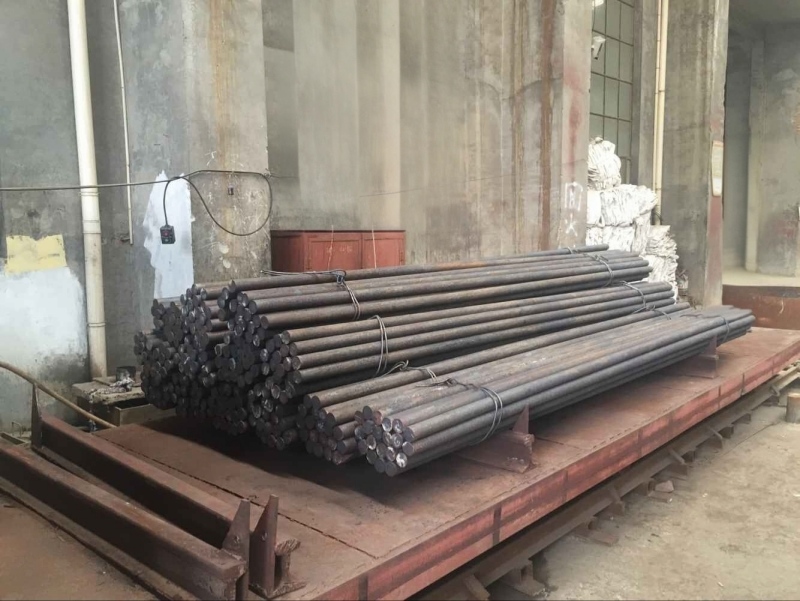
Rod mills are often used for coarse grinding, primary grinding, or preparation before downstream stages. The rods act as both grinding media and a moving charge that must remain straight and stable. Unlike balls, rods have a long axial shape, so bending, end damage, and uneven wear can affect the entire charge. A rod that loses diameter faster than expected may reduce grinding efficiency, change the charge profile, and increase the frequency of rod charging. A rod that bends may jam, damage liners, or create unsafe handling conditions. A rod that breaks can force an unplanned shutdown. These outcomes make wear guarantees important, but they also make them complex. The supplier must understand the mill, the ore, and the operating practice before offering a meaningful guarantee.
undefined
A procurement team should not accept a guarantee that refers only to hardness or chemical composition. Hardness is a useful indicator, but it does not by itself predict wear in a rod mill. The guarantee should connect metallurgy, manufacturing process, and application conditions to a measurable performance target. It should also state the responsibilities of the buyer. For example, if the mill speed, feed size, slurry density, pH, or water chemistry changes outside an agreed range, the guarantee may need adjustment. A fair guarantee is not a promise that ignores reality. It is a documented agreement that defines performance within defined conditions.
Start With a Clear Definition of Wear
The first question is simple: what does the supplier mean by wear? In a rod mill, wear can refer to diameter reduction, mass loss, length loss, straightness deviation, surface deterioration, breakage rate, or rod life. Each definition leads to a different measurement method and a different commercial remedy. A buyer should ask the supplier to express wear in a unit that the plant can monitor. Common units include grams per tonne of ore, kilograms per tonne, millimetres of diameter loss per 1,000 operating hours, or cost per tonne of product. The supplier should also explain how the unit is calculated and which measurements are required.
Mass loss is often the most practical measure because it can be converted into consumption per tonne of ore. Diameter loss is also useful because it shows how the rod profile changes over time. Breakage rate should be tracked separately because a low average wear rate can hide a serious breakage problem. Straightness should be included because a rod can wear acceptably but still bend beyond a safe limit. The buyer should ask whether the guarantee covers one metric or a combination of metrics. A supplier that guarantees only average consumption but ignores breakage, bending, and mill throughput may leave the buyer exposed to the most expensive failure modes.
Questions About the Wear Unit
- Which wear unit will be used in the guarantee, and why is that unit appropriate for the rod mill?
- Will the guarantee be based on mass loss, diameter loss, rod life, breakage rate, or a combination?
- How will the buyer convert diameter measurements into a wear rate?
- What sampling frequency is required, and who will record the data?
- Will the supplier provide a calculation template and a reporting format?
- How will abnormal rods be separated from normal wear data?
- What tolerance is allowed for measurement error and scale calibration?
Ask for the Baseline and the Operating Window
A wear guarantee without a baseline is difficult to enforce. The buyer should ask the supplier to state the baseline conditions used to calculate the guarantee. These conditions should include ore type, ore hardness, Bond work index, feed size distribution, moisture, slurry density, pH, mill diameter, mill length, mill speed, power draw, liner condition, grinding circuit configuration, water chemistry, operating hours, and target fineness. If the supplier has not requested this information, the guarantee is likely to be generic. A generic guarantee may be acceptable for preliminary discussion, but it should not be used as the final contractual basis.
The operating window is equally important. The supplier should define the range of conditions within which the guarantee remains valid. For example, the guarantee may apply when the feed size remains within a specified range, when the mill speed remains within a specified percentage of the design value, and when the pH and water chemistry remain within agreed limits. The buyer should ask what happens if conditions move outside the window. Will the guarantee be void, pro-rated, or renegotiated? A clear operating window protects both parties. It prevents the supplier from making unrealistic promises and prevents the buyer from assuming coverage that does not exist.
Questions About the Application Data
- Which ore types and hardness ranges were used to develop the guarantee?
- What feed size, slurry density, pH, and water chemistry are assumed?
- Which mill dimensions, speed, power draw, and liner profile are assumed?
- What target fineness and throughput are used as the performance reference?
- How will changes in ore blend or mining plan be handled?
- Will the supplier review the mill charge and rod charging practice before finalizing the guarantee?
- What data does the supplier need from the plant to make the guarantee specific?
Examine the Metallurgy and Manufacturing Process
A wear guarantee should be supported by a manufacturing process that can reproduce the promised performance. The buyer should ask how the rods are made, how the steel is selected, how the rods are formed, how they are heat treated, how they are straightened, and how they are inspected. For forged grinding rods, the raw material is typically round steel bar. ALLSTAR sources round steel bars for forged grinding balls and grinding rods from large state-owned steel mills in China. Incoming materials are sampled and tested for chemical composition to verify quality. This kind of raw-material control is relevant to wear guarantees because variation in steel chemistry can affect hardenability, toughness, and wear resistance.
The buyer should ask for the specified chemical composition range and the actual test results for each batch. Carbon, manganese, chromium, silicon, sulphur, phosphorus, and other elements should be controlled according to the product design. The supplier should explain how the composition supports the required balance between hardness and toughness. A rod that is too hard may be brittle, while a rod that is too soft may wear quickly or bend. The heat treatment should be described in enough detail to show that the supplier can achieve a consistent microstructure. The buyer should ask about quenching and tempering parameters, hardness distribution, and any non-destructive testing used to detect internal defects.
Questions About Steel and Heat Treatment
- What steel grade is used for the grinding rods, and what is the specified chemical composition range?
- Are the steel bars sourced from a consistent mill, and how is incoming material verified?
- What heat treatment process is used, and how are temperature and time controlled?
- What hardness range is guaranteed, and how is hardness measured along the rod?
- How is straightness achieved and checked after heat treatment?
- What tests are performed for internal soundness, surface defects, and end quality?
- How does the supplier prevent batch-to-batch variation in wear performance?
Quality Control and Traceability
Traceability is a practical requirement for wear guarantees. If a problem appears, the buyer and supplier need to identify the production batch, the raw material lot, the heat treatment record, and the inspection results. The buyer should ask whether each rod bundle carries a batch code and whether the supplier can link that code to chemical composition, hardness, straightness, and inspection data. A supplier with a mature quality system should be able to provide this information without delay. ALLSTAR maintains an ISO 9001 Quality Management System and supports product quality verification through professional testing and third-party inspection services, including SGS, BV, and TÜV. These credentials are not a substitute for application-specific guarantees, but they indicate that documented quality control exists.
The buyer should also ask how samples are taken. Quality inspection should be carried out throughout the manufacturing process. Samples should be taken from each production batch and tested after heat treatment to confirm that finished products meet the required quality and performance specifications. For a rod mill, the buyer may want additional checks for straightness, end squareness, surface condition, and diameter tolerance. The supplier should explain how nonconforming rods are segregated and how corrective action is recorded. A wear guarantee is stronger when the supplier can show that the guaranteed product is the same product that was tested and approved.
Questions About Inspection and Documentation
- What batch identification system is used, and how can the buyer trace a rod back to its raw material lot?
- Which tests are performed on every batch, and which are performed on a sampling basis?
- Are third-party inspections available, and which laboratories or agencies are used?
- What records are provided with each shipment?
- How are straightness, diameter, length, and end conditions measured?
- What is the procedure for handling nonconforming rods?
- Can the supplier provide a quality certificate and a test report for the guaranteed product?
Define the Trial Protocol Before the Guarantee
A wear guarantee should be preceded by a trial protocol that both parties accept. The protocol should state the trial duration, the tonnage to be processed, the mill or mills to be used, the rod charging pattern, the baseline period, the measurement schedule, and the success criteria. The buyer should ask whether the trial will run in parallel with an existing supplier, whether it will use a single mill, and how the parties will separate the effect of rods from other variables such as liner wear, feed changes, and operator practice. A well-designed trial reduces the risk of disputes later.
The trial should include a run-in period because new rods may behave differently during the first hours or days. The protocol should define when measurement begins. It should also define how rods are sampled. For example, the parties may agree to measure a fixed number of rods from each bundle, record diameter at several points along the length, check straightness on a flat surface, and inspect ends for deformation. The protocol should specify the scale, calliper, or gauge to be used and the calibration requirements. If the plant cannot measure wear consistently, the guarantee will be difficult to enforce. The supplier should be willing to provide training or a measurement template.
Questions About the Trial
- How long will the trial last, and what minimum tonnage must be processed before results are evaluated?
- Will the trial use a control group, a parallel mill, or a historical baseline?
- What run-in period is required before wear measurement begins?
- Which operating data will be recorded daily, and who will sign the records?
- How will ore variability and liner wear be accounted for?
- What success criteria will trigger the guarantee, and what criteria will trigger a corrective action?
- Who bears the cost of measurement, third-party inspection, and failed trial material?
Ask How the Guarantee Is Calculated
The calculation method should be written in plain language. The buyer should ask for a worked example using the plant data. For instance, if the guarantee is expressed as grams per tonne, the example should show the mass of rods consumed, the tonnes of ore processed, and the resulting wear rate. If the guarantee is expressed as diameter loss per 1,000 hours, the example should show the starting diameter, the ending diameter, the operating hours, and the conversion formula. The buyer should also ask how the supplier treats partial rods, broken rods, and rods removed for inspection. A guarantee that cannot be calculated from plant records is not a useful guarantee.
The buyer should ask whether the guarantee is based on a single average or on a confidence range. Wear data can vary because of ore hardness, feed size, and mill conditions. A supplier may guarantee an average consumption rate but allow a tolerance band. The buyer should understand whether the tolerance is one-sided or two-sided and how it affects the remedy. If the guarantee is based on a minimum rod life, the buyer should ask how life is defined. Is it calendar time, operating hours, or tonnes processed? Each definition can lead to a different result. The buyer should also ask whether the guarantee applies to the whole shipment, a sample, or individual rods.
Questions About Calculation and Tolerances
- Can the supplier provide a worked example of the wear calculation using plant data?
- What tolerance band applies to the guaranteed wear rate?
- How are broken, bent, and prematurely removed rods treated in the calculation?
- Is the guarantee based on average performance, minimum performance, or a statistical confidence level?
- How will the supplier handle missing or incomplete operating data?
- What is the reference period for the guarantee, and when does it start and end?
- How will the parties agree on the final calculation if their records differ?
Review the Commercial Remedies
A wear guarantee has little value if the remedy is unclear. The buyer should ask what happens if the rods fail to meet the guaranteed wear rate. Possible remedies include replacement rods, a credit note, a price adjustment, a free trial extension, or a root-cause investigation followed by a corrective action plan. The buyer should ask how the remedy is calculated. Is it pro-rated based on the shortfall? Is there a cap? Is the remedy limited to the value of the rods, or does it include freight, installation, and downtime? The supplier should also explain the claim process, including notification deadlines, required evidence, inspection rights, and dispute resolution.
The buyer should ask whether the guarantee is linked to a total cost of ownership model. A lower-priced rod that wears quickly may cost more per tonne of ore than a higher-priced rod that lasts longer. The buyer should request a comparison based on cost per tonne, including rod price, freight, handling, downtime, and replacement labor. If the supplier cannot provide this comparison, the buyer should build it with the supplier using agreed assumptions. A wear guarantee should support a commercial decision, not just a technical claim. The buyer should also ask whether the supplier will hold spare stock or provide priority supply if a claim arises.
Questions About Remedies and Claims
- What remedy is offered if wear exceeds the guarantee?
- Is the remedy a replacement, credit, price adjustment, or service support?
- How is the remedy calculated, and is there a cap?
- What evidence must the buyer submit, and within what time limit?
- Who inspects the failed rods, and where does the inspection take place?
- How are freight, handling, and downtime treated in a claim?
- What dispute resolution process applies if the parties disagree?
Understand the Exclusions and Buyer Responsibilities
Every wear guarantee should include exclusions. The buyer should ask for them in writing and review them carefully. Common exclusions include operation outside the agreed mill conditions, abnormal feed size, excessive mill speed, poor liner condition, incorrect rod charging, contamination, corrosive water, improper storage, and mishandling during installation. The buyer should not assume that exclusions are unfair. They can be legitimate. However, the buyer should ensure that the exclusions are specific and measurable. A vague exclusion such as abnormal operation can become a loophole. A clear exclusion such as pH below an agreed value or feed size above an agreed limit is easier to manage.
The buyer should also ask what responsibilities remain with the plant. These may include maintaining the mill liners, controlling the feed, monitoring the slurry, recording operating hours, and following the supplier s storage and handling instructions. The buyer should ask whether the supplier will provide training for rod charging, inspection, and record keeping. If the plant does not have the resources to meet the measurement requirements, the guarantee may not be practical. The buyer should decide whether to invest in measurement systems or negotiate a simpler guarantee based on supplier site visits and joint inspections.
Questions About Exclusions
- Which operating conditions void the guarantee?
- How are abnormal feed size, hardness, pH, and water chemistry defined?
- What storage and handling conditions are required?
- What maintenance responsibilities belong to the buyer?
- Will the supplier provide training for measurement and record keeping?
- How will the supplier verify that exclusions apply?
- Can the guarantee be adjusted rather than voided if conditions change?
Ask About Application Support and Site Knowledge
A grinding rod supplier should offer more than a product data sheet. The buyer should ask whether the supplier can review the mill circuit, inspect the rod charge, and recommend a rod size and charging pattern. The supplier should be able to explain how rod diameter and length affect grinding performance. ALLSTAR produces grinding rods in diameters from 25 mm to 140 mm and lengths from 1,500 mm to 6,000 mm, mainly designed for rod mills. The correct selection depends on mill dimensions, feed size, target product size, and operating conditions. A supplier that understands these relationships can help the buyer avoid a guarantee that is technically valid but operationally unsuitable.
The buyer should ask about the supplier s experience in similar applications. Mining operations may include gold, copper, platinum, iron ore, nickel, phosphate, and lead-zinc mines. Cement plants and power stations may have different grinding requirements. Rod mills are mainly used in mineral processing, but the specific duty can vary widely. The buyer should ask for references from plants with comparable ore hardness, mill size, and product fineness. If the supplier cannot provide references, the buyer should ask how the guarantee will be validated. A trial may be the best way to build confidence, but the trial must be designed carefully.
Questions About Technical Support
- Will the supplier review the mill circuit and rod charging practice before quoting?
- What rod diameter and length does the supplier recommend, and why?
- Can the supplier provide references from similar rod mill applications?
- What site support is included during the trial and after delivery?
- How often will the supplier review wear data with the plant?
- What corrective action can the supplier recommend if wear is higher than expected?
- Does the supplier offer training for mill operators and maintenance staff?
Evaluate Production Capacity and Supply Reliability
A wear guarantee is only useful if the supplier can deliver consistently. The buyer should ask about production capacity, lead times, raw material supply, and business continuity. ALLSTAR operates production facilities covering 15,000 square metres and employs 150 people, including experienced technical, production, and sales personnel. Its annual grinding media production capacity is 100,000 metric tons. This scale can support clients across different markets and project scales, but the buyer should still ask how the supplier plans capacity for the specific order. The buyer should also ask whether the supplier can maintain the same steel source and heat treatment process for repeat orders. Changes in raw material or process can affect wear performance.
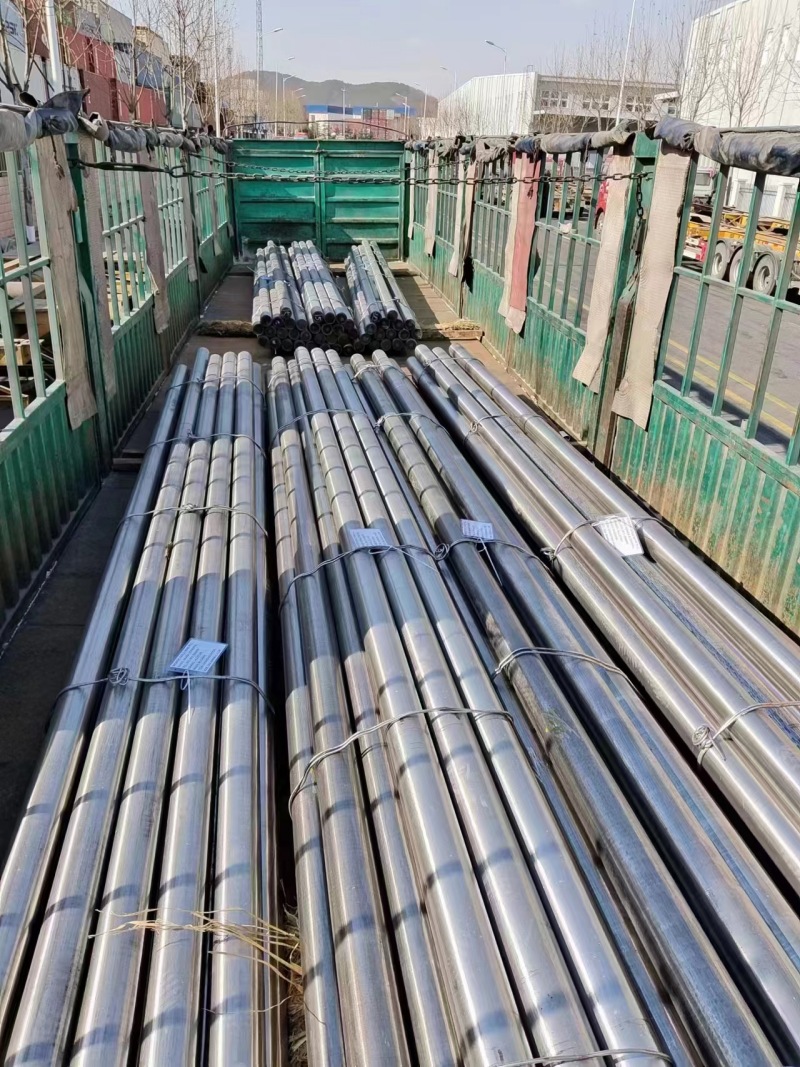
The buyer should ask about packaging and logistics. Grinding rods are long and heavy, so handling and storage matter. The supplier should describe how rods are bundled, protected against corrosion, and marked for traceability. The buyer should ask about maximum bundle weight, lifting points, and storage recommendations. If rods are stored improperly, they may bend or corrode before use. The guarantee should state whether storage conditions are the buyer s responsibility. The buyer should also ask about delivery schedules and whether the supplier can provide emergency support if a mill experiences unexpected rod failure.
Questions About Supply and Logistics
- What is the production lead time for the required rod sizes and quantities?
- How does the supplier manage raw material supply and steel grade consistency?
- What packaging and corrosion protection are provided?
- How are rods marked for batch traceability?
- What storage conditions are recommended before use?
- Can the supplier support repeat orders with the same process parameters?
- What contingency plan exists for urgent replacement or technical support?
Use Real Performance Data as a Reference
Buyers should ask suppliers for real performance data, not only laboratory results. Field data helps the buyer understand how the supplier measures performance and whether the supplier is willing to share evidence. ALLSTAR has published examples from mining and cement applications that illustrate how grinding media performance can be compared. At Pinto Valley Mine in the USA, a comparative trial lasting nearly six months used ALLSTAR high chrome grinding balls in one ball mill and another manufacturer s products in the other. ALLSTAR consumption remained stable at 0.56 to 0.59 kg per tonne of run-of-mine ore, with a breakage rate of only 0.2 percent. The other supplier s consumption reached 0.68 kg per tonne, with a breakage rate close to 3 percent. The mill using the competitor s products recorded more than 70 tonnes per hour lower output and over 5 percentage points lower grinding fineness compared with the mill using ALLSTAR balls. After the trial, the customer replaced the grinding balls in the second mill with ALLSTAR products. Daily processing capacity reached 53,000 tonnes, exceeding the designed capacity of 50,000 tonnes by 3,000 tonnes. The mine has purchased and used more than 48,000 tonnes of ALLSTAR grinding media.
In the cement industry, Turkey YD Madencilik operated a combined roller press and ball mill grinding system. Grinding media consumption had historically been high because of difficult-to-grind materials such as slag and coarse fly ash. After replacing the grinding balls in both mills with ALLSTAR products in 2016, consumption decreased significantly. Combined grinding-ball consumption dropped from 84.80 grams per tonne in 2016 to 31.93 grams per tonne in 2018. The reduction was sustained, reaching 25.66 grams per tonne in 2025, approximately 69.7 percent lower than the 2016 baseline. These examples concern balls rather than rods, but the lesson applies to rod mill purchases. A supplier that can present measured field data, explain the trial design, and discuss the operating variables is better prepared to support a wear guarantee.
Questions About Field Evidence
- Can the supplier provide field data from a comparable rod mill or grinding circuit?
- How was the trial designed, and how were operating variables controlled?
- What was the baseline performance before the trial?
- How were wear, breakage, throughput, and fineness measured?
- Were third parties involved in verification?
- What happened after the trial, and was the supplier retained?
- Can the supplier explain any cases where performance did not meet expectations?
Check Certifications and Quality Culture
Certifications are not a guarantee of wear performance, but they can indicate how seriously a supplier manages quality. The buyer should ask about the supplier s quality management system, testing capabilities, and third-party inspection relationships. ALLSTAR maintains an ISO 9001 Quality Management System and supports product quality verification through professional testing and third-party inspection services, including SGS, BV, and TÜV. The company has also been recognized as a High and New Technology Enterprise and as a Specialized, Sophisticated, Distinctive and Innovative Enterprise. These recognitions reflect technological capability, research and development activity, specialized manufacturing, and innovation-driven development. For a buyer, the practical question is how these systems translate into batch consistency and claim support.
The buyer should ask whether the supplier can provide a certificate of analysis, hardness report, straightness report, and batch traceability record for each shipment. The buyer should also ask whether the supplier has a documented corrective action process. If a wear problem occurs, the supplier should be able to investigate root cause, compare the failed batch with the approved process, and propose a remedy. A supplier that treats quality as a system rather than a final inspection is more likely to honor a wear guarantee in a professional manner. The buyer should not rely on certificates alone. The buyer should ask how the supplier audits its own process and how it handles customer complaints.
Questions About Quality Systems
- Which quality management certifications does the supplier hold?
- How does the supplier audit its heat treatment and straightening processes?
- What third-party inspection services are available?
- Can the supplier provide batch-specific test reports?
- How are customer complaints investigated and closed?
- What key performance indicators does the supplier track for quality?
- How does the supplier train production staff on critical process controls?
Consider Total Cost and Operational Impact
Wear guarantees should be evaluated in the context of total cost. The buyer should compare the rod price with the expected consumption, breakage rate, mill availability, and labor cost. A rod that costs more per tonne but reduces consumption and downtime may be the better choice. The buyer should ask the supplier to help build a cost model. The model should include the purchase price, freight, handling, storage, installation, inspection, replacement labor, and the cost of lost production. If the supplier claims a lower wear rate, the buyer should ask for the assumptions behind the claim. The buyer should also ask whether the supplier will share the risk through a trial or a performance-based agreement.
Operational impact goes beyond direct cost. Rod changes can be labor-intensive and may require a planned shutdown. If the rods wear unevenly or bend, the maintenance team may need to remove more rods than expected. If the rods break, the mill may need to be stopped for inspection and cleanout. The buyer should ask how the supplier s product affects handling, safety, and mill stability. A wear guarantee that ignores these factors may be technically narrow. The buyer should ask for a guarantee that supports stable mill operation, not only a low wear number. The buyer should also ask how the supplier will respond if the rods cause unexpected mill behavior.
Questions About Cost and Operations
- Can the supplier provide a total cost per tonne model?
- How does the guaranteed wear rate affect mill availability and labor?
- What is the expected breakage rate, and how is it measured?
- How does rod straightness affect handling and mill stability?
- What is the recommended rod charging schedule?
- How will the supplier support a performance-based commercial agreement?
- What key performance indicators will be reviewed during the guarantee period?
Red Flags in Wear Guarantee Discussions
Some supplier responses should prompt further scrutiny. A vague guarantee that refers only to high quality or long life is not enough. A guarantee that is based only on hardness without application data is weak. A supplier that cannot explain how wear will be measured should not be trusted with a performance claim. A supplier that refuses to define exclusions may be planning to rely on them later. A supplier that offers an unusually low wear rate without field evidence or a trial protocol may be overpromising. A supplier that cannot provide batch traceability or test reports may struggle to resolve a claim. A supplier that does not ask about mill conditions is unlikely to offer a meaningful guarantee.
The buyer should also be cautious about guarantees that are tied to a single variable while ignoring the grinding circuit. For example, a low wear rate may be achieved by using rods that are too hard and prone to breakage, or too soft and prone to bending. A guarantee should balance wear, breakage, straightness, and grinding performance. The buyer should ask how the supplier prevents one metric from being improved at the expense of another. The buyer should also ask whether the supplier has a process for revisiting the guarantee if the ore body changes. Mining operations are dynamic. A guarantee that cannot adapt to a changing feed may become irrelevant.
Questions to Test Supplier Credibility
- Can the supplier explain the wear mechanism in the specific rod mill?
- What data supports the proposed wear rate?
- How does the supplier define failure, and who decides?
- What happens if the buyer changes the ore blend or mill speed?
- Can the supplier show a claim history and how claims were resolved?
- Does the supplier have a technical team available for site visits?
- Is the supplier willing to put the guarantee in a contract with clear remedies?
Build a Practical Checklist for the Buyer
A buyer can prepare for supplier discussions by assembling a data package before the first meeting. The package should include mill dimensions, mill speed, power draw, liner profile, feed size distribution, ore hardness, target fineness, slurry density, pH, water chemistry, operating hours, current rod size, current wear rate, current breakage rate, and maintenance history. The buyer should also include a description of the measurement system and the staff available for record keeping. This package allows the supplier to make a specific proposal rather than a generic claim. It also helps the buyer compare suppliers on the same basis.
The buyer should then ask each supplier to respond in writing to a standard set of questions. The responses should cover the definition of wear, the measurement method, the baseline conditions, the operating window, the trial protocol, the guarantee calculation, the remedy, the exclusions, the quality documentation, and the technical support plan. The buyer should score the responses and identify gaps. If a supplier cannot answer a critical question, the buyer should ask for a follow-up meeting or request a trial. The goal is not to eliminate all risk. The goal is to make risk visible and assign responsibility clearly.
Buyer Data Checklist
- Mill dimensions, speed, power draw, and liner condition.
- Feed size distribution, ore type, hardness, and Bond work index.
- Slurry density, pH, water chemistry, and temperature.
- Target throughput and product fineness.
- Current rod diameter, length, consumption, and breakage rate.
- Operating hours and maintenance schedule.
- Measurement equipment, calibration records, and responsible staff.
- Historical supplier performance and claim history.
Negotiate the Guarantee as a Partnership
A wear guarantee works best when it is treated as a partnership. The supplier needs accurate data and reasonable operating conditions. The buyer needs transparency and a fair remedy. Both parties should agree on the measurement method before the trial begins. Both parties should sign the trial protocol and the data records. Both parties should review the results together and discuss any deviations. If the results are below expectation, the supplier should investigate root cause rather than immediately rejecting the claim. If the results meet expectation, the buyer should consider a longer-term agreement. This approach creates value beyond a single transaction.
ALLSTAR describes its business philosophy as manufacturing high-quality products, being a reliable supplier, and building long-term and sustainable partnerships with clients. That philosophy is relevant to wear guarantees because a guarantee is a test of the relationship. A supplier that focuses only on individual transactions may resist clear performance commitments. A supplier that seeks long-term value should be willing to define performance, share data, and resolve issues responsibly. The buyer should ask how the supplier has handled past performance disputes. The answer can reveal more than a brochure. The buyer should also ask how the supplier will use the trial data to improve future recommendations.
Questions About Partnership and Long-Term Value
- How does the supplier approach performance discussions after a trial?
- Will the supplier share trial data and recommendations in writing?
- How does the supplier handle a shortfall without damaging the relationship?
- Can the supplier support multi-year supply planning?
- How does the supplier incorporate customer feedback into product improvement?
- What communication schedule will be used during the guarantee period?
- How will the parties review performance at the end of the guarantee?
Conclusion
Grinding rod wear guarantees should be specific, measurable, and commercially meaningful. The buyer should ask the supplier to define wear, state the baseline, describe the operating window, explain the measurement method, provide a trial protocol, calculate the remedy, and disclose the exclusions. The buyer should also examine the supplier s metallurgy, manufacturing process, quality control, traceability, field evidence, and technical support. A supplier with a long history, a broad product range, and documented quality systems can support a stronger guarantee, but the buyer should still verify the application-specific details. ALLSTAR grinding balls, with its experience since 1985, its production capacity of 100,000 metric tons per year, its range of forged grinding balls, cast grinding balls, high chrome grinding balls, and grinding rods, and its ISO 9001 and third-party inspection support, offers a useful reference point for the type of information a buyer should request. The final decision should be based on clear data, a fair contract, and a shared commitment to stable mill performance.
A well-negotiated wear guarantee does not remove all uncertainty, but it turns uncertainty into a managed risk. The buyer knows what is promised, how it will be measured, and what happens if performance falls short. The supplier knows the operating conditions and the boundaries of the commitment. That clarity is valuable in any rod mill circuit. It supports better budgeting, more reliable maintenance planning, and a stronger commercial relationship. The questions in this guide can help a procurement team move from general assurances to a practical guarantee that serves both sides.


