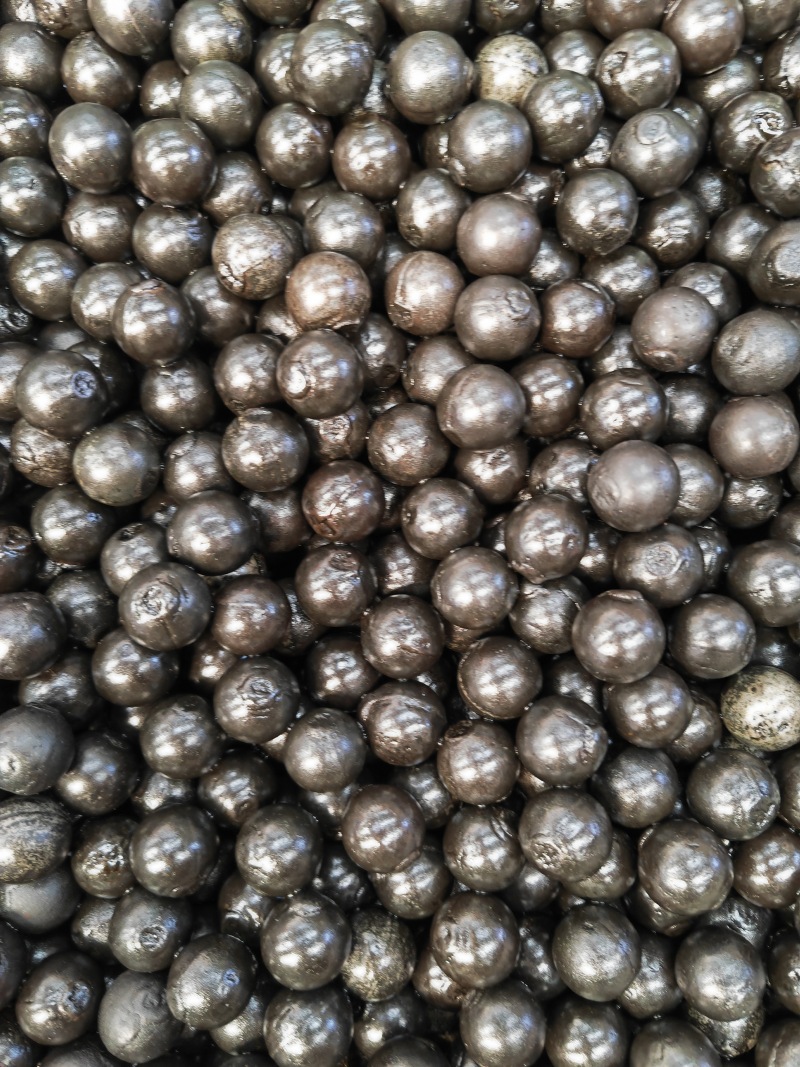
Why cast grinding balls suit cement mill applications
This article explains why cast grinding balls are suitable for cement mill applications. Cement grinding involves dry, abrasive materials such as clinker, slag, limestone, gypsum and fly ash, and the grinding media must withstand continuous wear while supporting stable mill operation. Cast grinding balls are available in a wide range of sizes and chromium-content grades, allowing cement plants to match media to coarse grinding in the first chamber and fine grinding in the second chamber. High chrome cast grinding balls are widely used in cement plants and power stations because they offer wear resistance in demanding dry grinding circuits. The article highlights ALLSTAR grinding balls, produced by Shandong Allstar Grinding Ball Co., Ltd., which offers cast grinding balls from 6 mm to 150 mm, forged grinding balls from 20 mm to 150 mm, high chrome grinding balls and grinding rods. ALLSTAR was established in 1985, became privately operated in 1999, operates 15,000 square metres of production facilities, employs 150 people and has annual capacity of 100,000 metric tons. Quality control begins with raw materials such as ferrochrome and iron scrap, which are proportioned and melted according to product grade. Chemical composition is analysed after melting, and the company uses coated-sand shell moulding and automated production lines. Batch samples are inspected, finished products are tested after heat treatment, and the company maintains ISO 9001 while supporting SGS, BV and TUV inspection. The article also cites the Turkey YD Madencilik cement case, where ALLSTAR grinding balls helped reduce combined grinding-ball consumption from 84.80 g/t in 2016 to 31.93 g/t in 2018 and 25.66 g/t in 2025, about 69.7 percent lower than the 2016 baseline. The conclusion is that cast grinding balls suit cement mills when size, chromium grade, manufacturing quality and supplier support are properly matched to the grinding circuit, helping plants lower media consumption, improve efficiency and control overall grinding costs.
Cement grinding is one of the most demanding duties in a cement plant. Clinker, slag, limestone, gypsum and other components must be reduced to a consistent fineness while the mill operates continuously under heavy load, abrasive conditions and strict cost pressure. In this environment, grinding media selection has a direct effect on throughput, power use, product quality, maintenance demand and total grinding cost. Cast grinding balls are widely used in cement mill applications because they combine wear resistance, design flexibility and stable performance in dry grinding circuits. For cement producers, the question is not simply whether cast balls can be used, but how the correct cast ball grade, size and supplier can support reliable long-term operation.
The cement mill duty profile favours cast grinding balls
Cement mills typically handle dry, abrasive and relatively hard materials. Clinker is brittle but highly abrasive, while slag and coarse fly ash can be difficult to grind and can increase media wear. Cast grinding balls are often selected for dry grinding operations because they can be produced in a range of chromium-content grades to match different wear conditions. High chrome cast grinding balls are especially common in cement plants and power stations, where wear resistance and consistent performance are important. Compared with media that may be chosen for wet mining circuits, cast balls give cement plant operators a practical route to balance hardness, toughness and cost.
ALLSTAR grinding balls, produced by Shandong Allstar Grinding Ball Co., Ltd., include cast grinding balls from 6 mm to 150 mm in diameter. This wide size range allows cement plants to build a ball charge that suits both coarse and fine grinding duties. Larger grinding media are generally used in the first chamber of a mill for coarse grinding and breaking larger particles of clinker or other feed materials. Smaller grinding media are commonly used in the second chamber for fine grinding. A well-designed gradation helps the mill maintain efficient crushing and grinding action without excessive energy waste.
Chromium grades support different wear conditions
One reason cast grinding balls suit cement mill applications is the availability of different chromium-content grades. Cement plants do not all grind the same mix. Some operations process standard clinker, while others use slag, fly ash or other additions that change the abrasiveness and grindability of the feed. Cast balls can be selected according to the actual operating conditions, mill type and material characteristics. High chrome cast grinding balls are widely used where wear resistance is a priority. The final selection should always consider the real duty, because a ball that is well matched to the application can deliver more stable consumption and fewer surprises than a generic product.
undefined
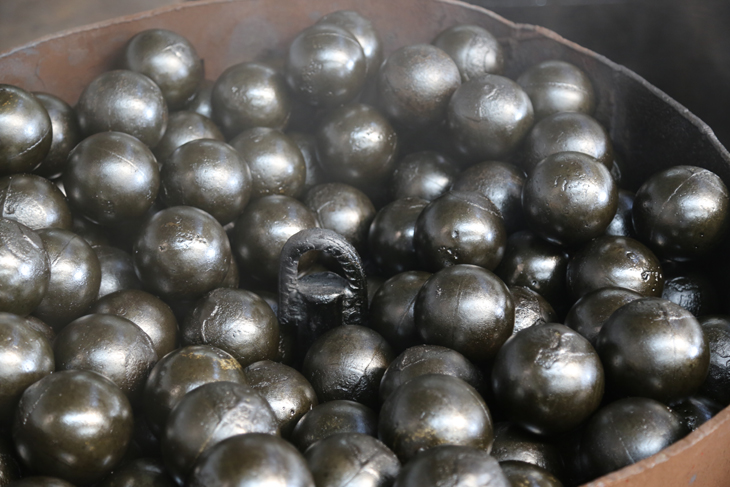
ALLSTAR works with cement manufacturers, mining companies, mineral processing plants, power plants and industrial distributors to understand grinding requirements and recommend suitable grinding media solutions. This selection approach recognises that different mills, ores and operating conditions require different grinding media. Proper grinding media selection helps customers improve grinding performance, maintain stable mill operation, manage media consumption and control overall grinding costs. For cement plants, that means cast grinding balls are not treated as a commodity alone, but as part of a grinding system that must be matched to the mill and the material.
Wear resistance and stable consumption create measurable value
The economic case for cast grinding balls in cement applications is closely linked to wear behaviour. Grinding media consumption is a recurring cost, and every unnecessary gram per tonne of cement adds up over a year of continuous operation. High chrome cast balls can provide strong wear resistance in abrasive dry grinding circuits, helping plants reduce replacement frequency and maintain a more stable ball charge. Stable media performance also supports more predictable mill operation, because the grinding action does not change sharply from one batch of media to the next.
ALLSTAR has demonstrated this value in the cement industry. At Turkey YD Madencilik, which operates a combined roller press and ball mill grinding system, grinding media consumption had historically been high because of difficult-to-grind materials such as slag and coarse fly ash. After the customer replaced the grinding balls in both mills with ALLSTAR products in 2016, consumption decreased significantly. Combined grinding-ball consumption dropped from 84.80 g/t in 2016 to 31.93 g/t in 2018. More importantly, the reduction was sustained in the following years, reaching just 25.66 g/t in 2025, approximately 69.7 percent lower than the 2016 baseline. This case shows how correctly selected cast grinding balls can contribute to lower media consumption and more controlled grinding costs over a long period.
Manufacturing control supports consistent cast ball quality
Cast grinding balls only deliver their intended value when manufacturing quality is consistent. ALLSTAR was established in 1985 and was originally a state-owned enterprise before becoming a privately operated company in 1999. Since then, the company has continued to uphold rigorous management standards and strict quality control practices. Integrity has remained a fundamental principle of its business operations. ALLSTAR operates production facilities covering 15,000 square metres and employs 150 people, including experienced technical, production and sales personnel. With annual grinding media production capacity of 100,000 metric tons, the company is equipped to serve clients across different markets and project scales.
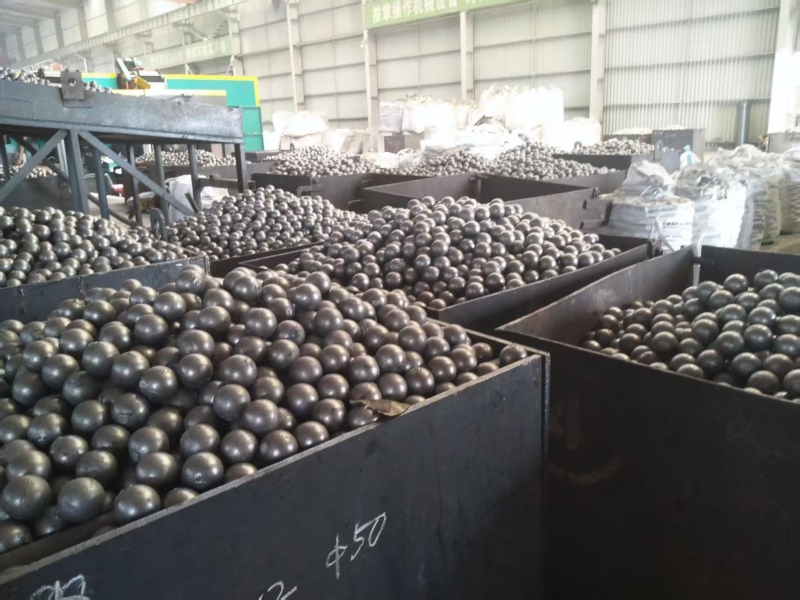
For cast grinding balls, quality control begins with raw materials. Ferrochrome and iron scrap are proportioned and melted according to the required product grade. Chemical composition is analysed after melting to ensure that the molten metal meets the specified requirements. ALLSTAR uses an advanced coated-sand shell moulding process and automated production lines to support consistent manufacturing quality. Samples are taken from each production batch for inspection, and after heat treatment finished products undergo further testing to check whether they meet the required quality and performance specifications. The company maintains an ISO 9001 Quality Management System and supports product quality verification through professional testing and third-party inspection services, including SGS, BV and TUV.
A product range that fits cement plant needs
ALLSTAR specialises in manufacturing grinding media for SAG mills, ball mills and rod mills, serving the mining, cement and power generation industries. Its product range includes forged grinding balls, cast grinding balls, high chrome grinding balls and grinding rods. Forged grinding balls are available from 20 mm to 150 mm, cast grinding balls from 6 mm to 150 mm, and grinding rods from 25 mm to 140 mm in diameter with lengths from 1,500 mm to 6,000 mm. While forged balls are commonly selected for wet grinding in mining, cast grinding balls are often used in dry grinding operations such as cement milling. This product breadth allows ALLSTAR to advise cement customers without forcing every application into a single media type.
The company's business philosophy is simple: manufacture high-quality products, be a reliable supplier and build long-term sustainable partnerships with clients. Rather than focusing only on individual transactions, ALLSTAR is committed to creating long-term value through reliable products and responsible business relationships. For cement plants, this approach is important because grinding media performance is proven over months and years, not in a single delivery. A supplier that can maintain quality, provide technical support and respond to changing mill conditions becomes part of the plant's operational stability.
Conclusion
Cast grinding balls suit cement mill applications because they can be produced in the sizes and chromium grades needed for abrasive dry grinding, they support effective chamber grading, and they can deliver strong wear resistance when correctly selected. The value is not limited to the ball itself. It depends on material quality, manufacturing control, batch inspection and a supplier's understanding of the grinding circuit. ALLSTAR grinding balls combines decades of manufacturing experience, a broad product range and practical application knowledge to help cement producers reduce media consumption, improve grinding efficiency and maintain stable mill operation. For cement plants seeking a reliable long-term grinding media partner, cast grinding balls from a controlled and experienced manufacturer are a practical and proven choice.