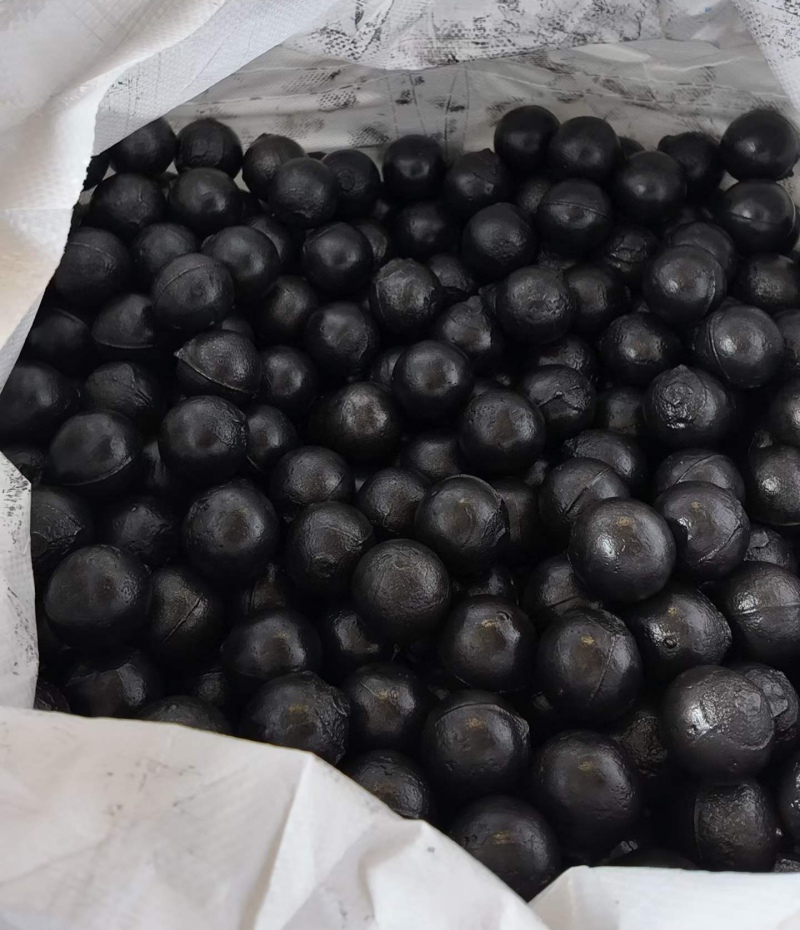
Cast grinding balls factory packaging and shipment planning
This blog explains how Shandong Allstar Grinding Ball Co., Ltd., known as ALLSTAR grinding balls, plans packaging and shipment for cast grinding balls. The company was established in 1985, became privately operated in 1999, and maintains rigorous management and quality control. It produces forged grinding balls, cast grinding balls, high chrome grinding balls, and grinding rods for mining, cement, and power generation. Its facilities cover 15,000 square metres, employ 150 people, and support an annual capacity of 100,000 metric tons. Cast grinding balls range from 6 mm to 150 mm in different chromium grades and are made using coated-sand shell molding and automated production lines. Quality control begins with raw materials such as ferrochrome and iron scrap, includes chemical composition analysis after melting, batch sampling, heat treatment checks, and final testing. Packaging planning reviews ball size, chromium grade, order quantity, destination climate, transport mode, and customer handling. Options include 25 kg woven bags, 1,000 kg jumbo bags, steel drums, wooden crates, and pallets, with moisture barriers, desiccant, labels, and batch codes as needed. Shipment planning aligns production scheduling, quality release, packing, container booking, loading, and documentation. Weight distribution, stacking strength, lashing, shipping marks, and unloading access are considered. Documentation may include invoices, packing lists, bills of lading, certificates of origin, quality certificates, and inspection reports. ALLSTAR maintains ISO 9001 and supports SGS, BV, and TÜV inspection. Real-world performance at Pinto Valley Mine and Turkey YD Madencilik demonstrates lower consumption, reduced breakage, and improved grinding efficiency. The article concludes that packaging and shipment planning protect product quality, reduce handling risk, support stable mill operation, and help control overall grinding costs. ALLSTAR positions these activities as part of its commitment to reliable supply and long-term customer partnerships.
Cast Grinding Balls Factory Packaging and Shipment Planning
Shandong Allstar Grinding Ball Co., Ltd., known in international markets as ALLSTAR grinding balls, approaches packaging and shipment planning for cast grinding balls as a disciplined extension of manufacturing quality. The company was established in 1985, began as a state-owned enterprise, and became a privately operated company in 1999. Since then, it has continued to uphold rigorous management standards, strict quality control practices, and integrity as a fundamental principle of business operations. For a cast grinding balls factory, packaging and shipment planning are not administrative afterthoughts. They connect production, quality assurance, inventory control, logistics, and customer service. ALLSTAR specializes in manufacturing SAG mill and ball mill grinding media for the mining, cement, and power generation industries. Its product range includes forged grinding balls, cast grinding balls, high chrome grinding balls, and grinding rods. The company operates production facilities covering 15,000 square metres, employs 150 people, and has an annual grinding media production capacity of 100,000 metric tons. This capacity supports clients across different markets and project scales, from single-container orders to long-term supply programs.
Cast grinding balls are available in diameters from 6 mm to 150 mm and in different chromium-content grades for various grinding conditions. The factory uses an advanced coated-sand shell molding process and automated production lines to support consistent manufacturing quality. Raw materials such as ferrochrome and iron scrap are proportioned and melted according to the required product grade. Chemical composition is analyzed after melting to ensure that the molten metal meets the specified requirements. Quality inspection is carried out throughout the manufacturing process. Samples are taken from each production batch, and after heat treatment finished products undergo further testing to check whether they meet the required quality and performance specifications. These controls matter for packaging and shipment planning because they establish the batch identity, traceability, and release status that must follow every package from the factory floor to the customer site.
Packaging design begins with the product and application review
Before packaging is confirmed, ALLSTAR reviews the cast grinding ball size, chromium grade, order quantity, destination climate, transport mode, handling equipment, and customer receiving conditions. A mining customer may require heavy-duty packaging for remote sites and long inland transport, while a cement plant or power station may prefer palletized units that fit existing warehouse handling systems. The packaging plan aims to protect the product from moisture, contamination, impact damage, and loss during storage and transit. It also aims to make receiving, inspection, and internal distribution efficient for the customer. For cast grinding balls, common packaging options include 25 kg woven bags, 1,000 kg jumbo bags, steel drums, wooden crates, and palletized units. Moisture-barrier liners, desiccant where appropriate, strong closures, and clear labels can be added according to the route and customer requirements. Each package is marked with product type, size, chromium grade, batch number, net weight, and handling information. These details support inventory control and allow the customer to match received goods with quality certificates and batch records.
- 25 kg woven bags for manual handling and smaller deliveries
- 1,000 kg jumbo bags for bulk handling and efficient container loading
- Steel drums for heavy-duty protection and long storage
- Wooden crates for special handling or mixed-product shipments
- Pallets for warehouse handling and stable container stowage
- Moisture-barrier liners and desiccant for humid routes
- Clear labels and batch codes for traceability
Packaging planning is linked to quality release. No shipment should be packed before the relevant batch has passed the required inspection and testing. ALLSTAR aims to deliver consistent and reliable grinding media to customers worldwide, and that commitment includes ensuring that packaging does not compromise product condition. The factory therefore coordinates packaging materials, labor, inspection status, and order documentation before the packing line begins. For repeat customers, packaging specifications can be standardized to reduce handling time and improve receiving efficiency. For new customers or new routes, a pre-shipment packaging review can identify risks such as excessive manual handling, condensation, or incompatible transport equipment. This review helps avoid costly rework and supports stable delivery performance.
undefined
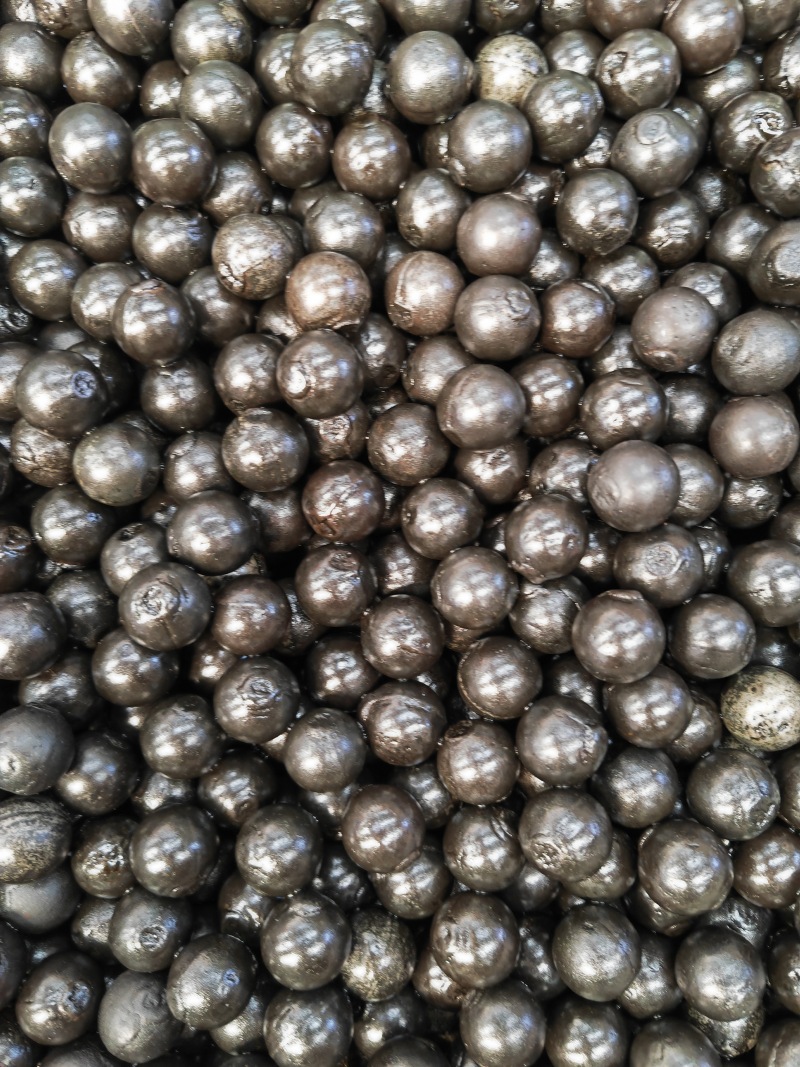
Shipment planning connects production scheduling with logistics
Shipment planning for cast grinding balls starts with order confirmation and production scheduling. The factory reviews the delivery date, order volume, product mix, packaging requirements, and available production capacity. Because ALLSTAR has an annual capacity of 100,000 metric tons, the planning team can coordinate larger and smaller orders within a broader production program. The goal is to align production completion, quality inspection, packing, and container booking so that goods are not packed too early or held too long before loading. Early packing can increase storage pressure and moisture exposure, while late packing can cause missed vessel schedules. A practical shipment plan balances these factors and keeps the customer informed about key milestones.
Container loading is a critical part of the plan. Cast grinding balls are dense products, so weight distribution and container payload limits must be checked carefully. The loading plan considers package type, stacking strength, floor weight limits, lashing points, and unloading access at the destination. Jumbo bags may be loaded in a way that allows safe discharge by crane or forklift, while palletized units may be arranged for stable stowage and efficient receiving. Where required, dunnage and lashing are used to reduce movement during ocean transport. The factory also prepares shipping marks, package labels, and loading photos as part of shipment documentation. These records support traceability and help resolve any receiving questions quickly.
Documentation and inspection support smooth delivery
ALLSTAR maintains an ISO 9001 Quality Management System and supports product quality verification through professional testing and third-party inspection services, including SGS, BV, and TÜV. For shipment planning, this means that inspection certificates, packing lists, and batch records can be prepared in line with customer requirements. The documentation package may include commercial invoice, packing list, bill of lading, certificate of origin, quality certificate, and inspection reports. Clear documents reduce customs delays and help the customer complete receiving and acceptance checks without unnecessary back-and-forth. The factory can also coordinate pre-shipment inspection visits when requested. These steps are especially valuable for mining companies, cement manufacturers, power plants, and industrial distributors that need consistent documentation for internal procurement and quality systems.
Risk management and customer communication
Shipment planning also includes risk management. The factory considers weather conditions, port congestion, vessel schedules, inland transport capacity, and destination requirements. For humid or long-sea routes, packaging and container conditions are reviewed to reduce condensation risk. For remote mining sites, the plan may include reinforced packaging and clear handling instructions. For customers with limited storage, delivery can be phased to match consumption and inventory capacity. ALLSTAR works with mining companies, mineral processing plants, cement manufacturers, power plants, and industrial distributors to understand their requirements and recommend suitable grinding media solutions. The same collaborative approach applies to packaging and shipment planning. Rather than focusing solely on individual transactions, the company is committed to creating long-term value for clients through reliable products and responsible business relationships.
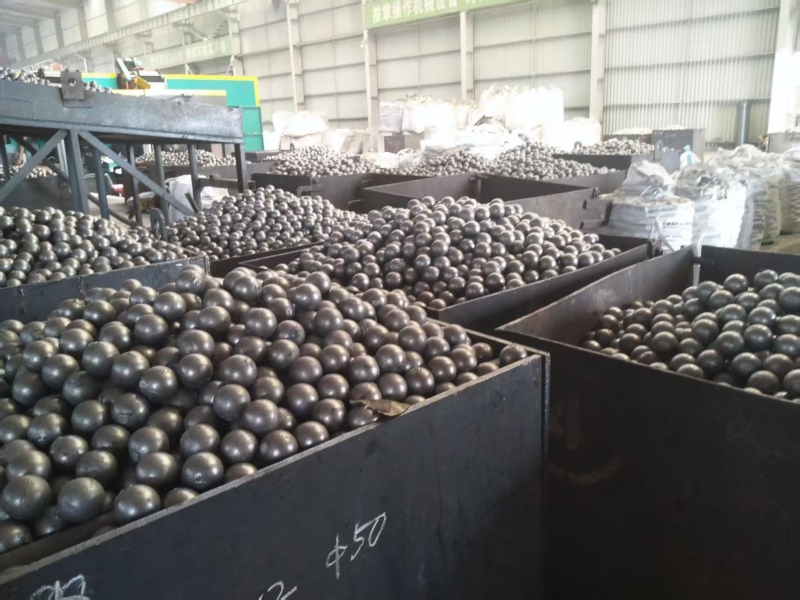
The value of careful planning is visible in real operating results. In a comparative trial at Pinto Valley Mine in the USA, ALLSTAR high-chrome grinding balls demonstrated stable consumption of 0.56 to 0.59 kg per tonne of run-of-mine ore, with a breakage rate of only 0.2 percent. By comparison, another supplier's consumption reached 0.68 kg per tonne, with a breakage rate close to 3 percent. The mill using the competitor's products also recorded more than 70 tonnes per hour lower output and over 5 percentage points lower grinding fineness. Following the trial, the customer replaced the grinding balls in the second mill with ALLSTAR products as well. Daily processing capacity subsequently reached 53,000 tonnes, exceeding the designed capacity of 50,000 tonnes by 3,000 tonnes. To date, the mine has purchased and used more than 48,000 tonnes of ALLSTAR grinding media. Such long-term confidence depends not only on product performance but also on dependable packaging, documentation, and delivery execution.
From factory to customer site
For cast grinding balls, the final stage of shipment planning is arrival support. ALLSTAR can provide loading details, package lists, batch references, and handling guidance so that the customer can receive, inspect, and store the goods efficiently. If a shipment is phased across multiple containers or vessels, the planning team tracks the sequence and keeps the customer informed. This is particularly useful for large mining and cement operations that need to coordinate media supply with mill maintenance schedules and production targets. The company's business philosophy is simple: to manufacture high-quality products, be a reliable supplier, and build long-term and sustainable partnerships with clients. Packaging and shipment planning are practical expressions of that philosophy. They help protect product quality, reduce handling risk, support stable mill operation, and control overall grinding costs. By combining manufacturing expertise, strict quality control, and practical application experience, ALLSTAR aims to be a trusted long-term grinding media partner for clients worldwide.
In summary, cast grinding balls factory packaging and shipment planning at ALLSTAR grinding balls is a coordinated process that begins with product and application review, continues through quality release and packaging selection, and ends with container loading, documentation, and arrival support. The company's history since 1985, its 15,000 square metre production base, its 150 employees, and its 100,000 metric ton annual capacity provide a strong foundation for this work. Its ISO 9001 system, third-party inspection support, and recognized certifications as a High and New Technology Enterprise and a Specialized, Sophisticated, Distinctive and Innovative Enterprise further strengthen customer confidence. For global mining, cement, and power generation clients, reliable packaging and shipment planning are not separate from product quality. They are part of the total value that ALLSTAR delivers.