
Cast grinding balls supplier evaluation for long term contracts
This blog examines how mining, cement, and power companies can evaluate cast grinding ball suppliers for long-term contracts. It argues that price alone is an unreliable guide and that buyers should assess specification fit, manufacturing capacity, raw material control, in-process inspection, application support, third-party verification, commercial reliability, and documented mill performance. The article uses Shandong Allstar Grinding Ball Co., Ltd. (ALLSTAR) as an illustrative example. ALLSTAR was established in 1985, became privately operated in 1999, and produces forged grinding balls, cast grinding balls, high chrome grinding balls, grinding rods, and grinding cylpebs. Its facilities cover 15,000 square metres, employ 150 people, and have an annual capacity of 100,000 metric tons. The company serves mining, cement, and power generation industries and offers cast balls from 6 mm to 150 mm, forged balls from 20 mm to 150 mm, and rods from 25 mm to 140 mm. Quality control begins with raw materials, including steel bars from large state-owned mills and proportioned ferrochrome and iron scrap for cast products. Batch sampling, heat treatment testing, ISO 9001, and SGS, BV, and TÜV inspection support quality verification. The article highlights two performance examples. At Pinto Valley Mine in the USA, ALLSTAR high-chrome balls achieved 0.56 to 0.59 kg per tonne consumption and 0.2% breakage, compared with 0.68 kg per tonne and nearly 3% breakage from another supplier. The mine later expanded daily capacity to 53,000 tonnes and purchased more than 48,000 tonnes of ALLSTAR media. At Turkey YD Madencilik, combined grinding-ball consumption fell from 84.80 g/t in 2016 to 31.93 g/t in 2018 and 25.66 g/t in 2025. The summary concludes that long-term contracts should be awarded to suppliers that can demonstrate consistent quality, supply reliability, application expertise, and measurable grinding value.
For mining companies, cement producers, and power generators, grinding media is not a minor consumable. It directly affects mill throughput, grinding efficiency, maintenance load, and total processing cost. Long-term contracts for cast grinding balls therefore require a disciplined evaluation of supplier capability, quality systems, application knowledge, and evidence of performance in real mills. A low initial price can be misleading if it is accompanied by higher consumption, breakage, unstable mill operation, or supply interruptions. Third-party procurement teams tend to evaluate cast grinding ball suppliers across several connected dimensions: product fit, manufacturing control, raw material discipline, testing, application support, commercial reliability, and documented results.
Defining the Contract Requirement
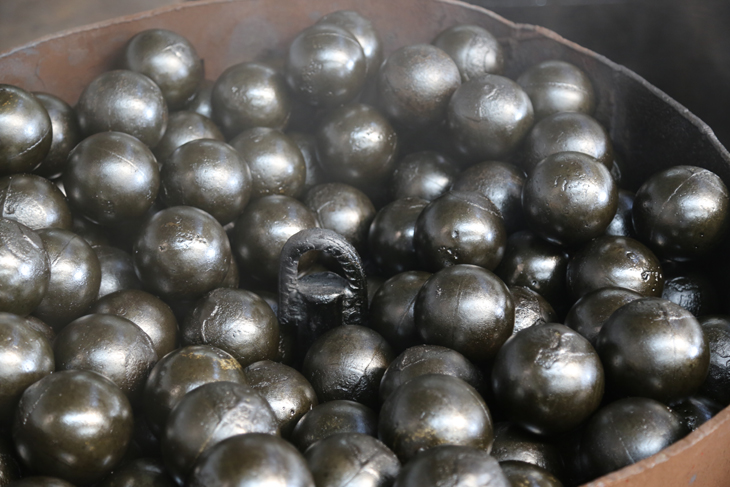
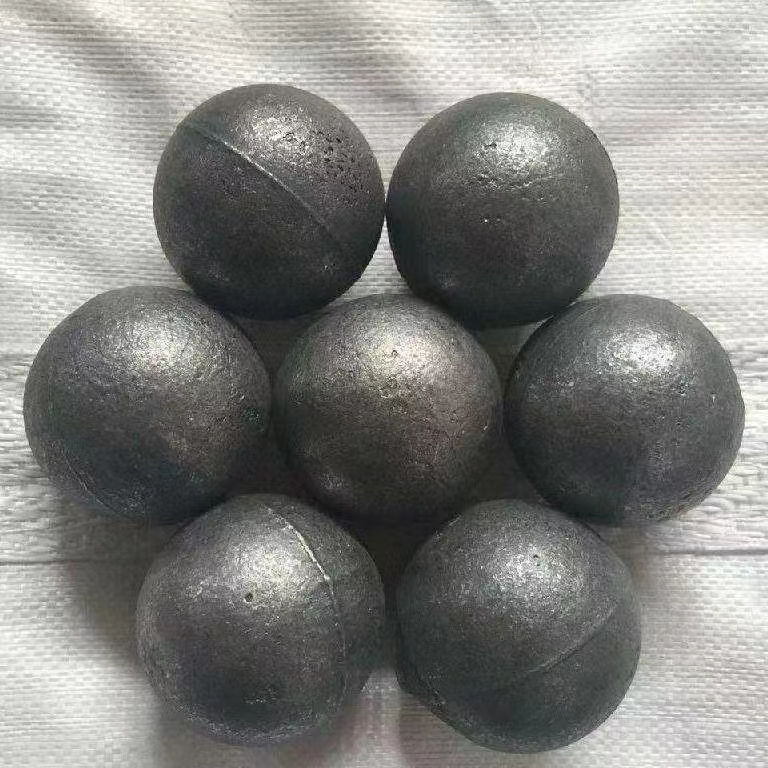
Before comparing suppliers, buyers should define the mill type, ore or clinker characteristics, grinding circuit, target fineness, media size, expected consumption, and delivery schedule. Cast grinding balls are available in diameters from 6 mm to 150 mm and in different chromium-content grades. High chrome cast grinding balls are widely used in cement plants and power stations, while cast grinding balls are often selected for dry grinding operations in mining. Forged grinding balls are commonly used for wet grinding, and grinding rods are mainly used in rod mills. The final selection should always consider actual operating conditions. A supplier that understands these distinctions is better placed to support a long-term contract than a supplier that simply quotes a hardness figure or a chemical composition.
Product Range and Specification Fit
A supplier evaluation should begin with the ability to match the product range to the full scope of the buyer’s operations. Shandong Allstar Grinding Ball Co., Ltd., known as ALLSTAR, manufactures forged grinding balls, cast grinding balls, high chrome grinding balls, grinding rods, and grinding cylpebs for the mining, cement, and power generation industries. Forged grinding balls are available in diameters from 20 mm to 150 mm, cast grinding balls from 6 mm to 150 mm, and grinding rods from 25 mm to 140 mm in diameter with lengths from 1,500 mm to 6,000 mm. This breadth is relevant for long-term contracts because a single buyer may operate several mills with different grinding duties. Larger grinding media are generally used in the first chamber of a mill for coarse grinding, while smaller media are used in the second chamber for fine grinding. A supplier with a wide specification range can help standardize procurement while still matching media to each circuit.
Manufacturing Capacity and Process Control
Long-term supply security depends on manufacturing capacity and process discipline. ALLSTAR was established in 1985, originally as a state-owned enterprise, and became a privately operated company in 1999. The company has continued to uphold rigorous management standards and strict quality control practices. It operates production facilities covering 15,000 square metres, employs 150 people, including experienced technical, production, and sales personnel, and has an annual grinding media production capacity of 100,000 metric tons. For cast products, ALLSTAR uses an advanced coated-sand shell molding process and automated production lines. For forged products, it operates both air hammer forged and hot-rolling production processes. These capabilities support consistent manufacturing quality and make it possible to serve clients across different markets and project scales.
Raw Material and In-Process Quality Control
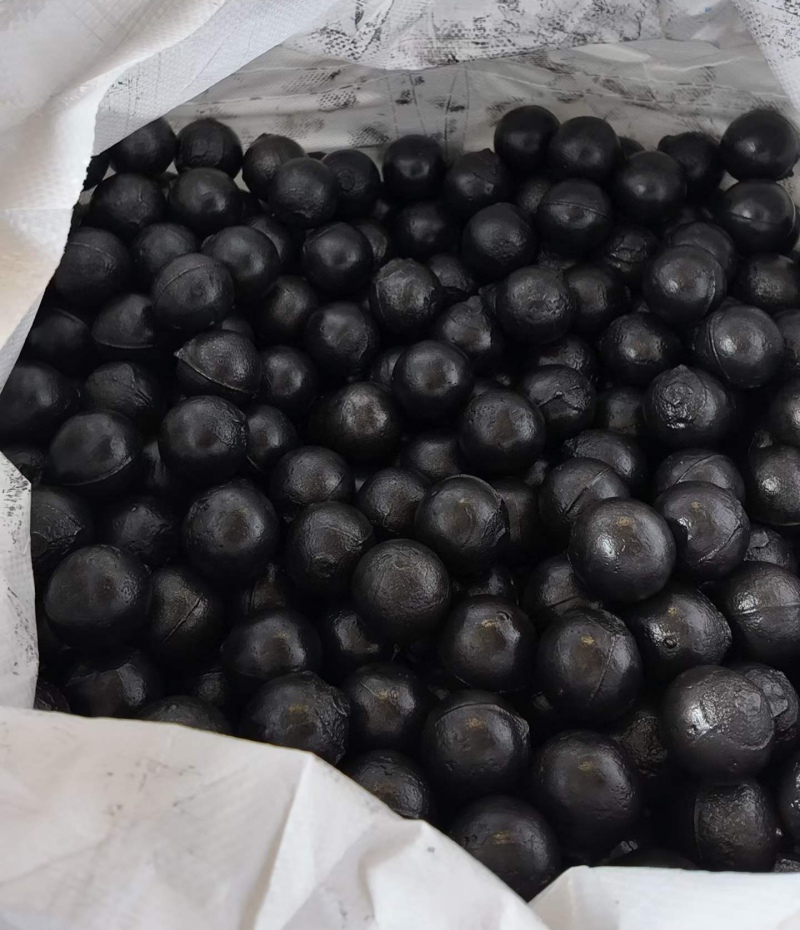
Quality control starts with raw materials. The round steel bars used for forged grinding balls and grinding rods are sourced from large state-owned steel mills in China. Upon arrival at the factory, incoming materials are sampled and tested for chemical composition. For cast grinding balls, raw materials such as ferrochrome and iron scrap are proportioned and melted according to the required product grade. Chemical composition is analyzed after melting to ensure that the molten metal meets the specified requirements. Quality inspection continues throughout the manufacturing process. Samples are taken from each production batch, and after heat treatment finished products undergo further testing to check whether they meet the required quality and performance specifications. ALLSTAR maintains an ISO 9001 Quality Management System and supports product quality verification through professional testing and third-party inspection services, including SGS, BV, and TÜV.
Application Engineering and Media Selection
Different mills, ores, and operating conditions require different grinding media. Proper media selection helps customers improve grinding performance, maintain stable mill operation, manage media consumption, and control overall grinding costs. ALLSTAR works with mining companies, mineral processing plants, cement manufacturers, power plants, and industrial distributors to understand their requirements and recommend suitable grinding media solutions. This application support is an important part of supplier evaluation for long-term contracts. A supplier should be able to discuss mill type, material characteristics, operating conditions, and wear patterns rather than treating every order as a simple commodity transaction. The company serves a wide range of mining operations, including gold, copper, platinum, iron ore, nickel, phosphate, and lead-zinc mines, as well as cement plants and power stations. That experience can help buyers compare media options and set realistic performance expectations.
Proven Performance Under Operating Conditions
Documented performance is one of the strongest indicators of long-term supplier suitability. In the mining industry, ALLSTAR high-chrome grinding balls demonstrated outstanding results in a comparative trial at Pinto Valley Mine in the USA. The mine conducted a trial lasting nearly six months, using ALLSTAR high-chrome grinding balls in one ball mill and another manufacturer’s products in the other. ALLSTAR grinding-ball consumption remained stable at 0.56 to 0.59 kg per tonne of run-of-mine ore, with a breakage rate of only 0.2%. By comparison, the other supplier’s consumption reached 0.68 kg per tonne, with a breakage rate close to 3%. Furthermore, the mill using the competitor’s products recorded more than 70 tonnes per hour lower output and over 5 percentage points lower grinding fineness compared with the mill using ALLSTAR balls. Following the successful trial, the customer replaced the grinding balls in the second mill with ALLSTAR products as well. Daily processing capacity subsequently reached 53,000 tonnes, exceeding the designed capacity of 50,000 tonnes by 3,000 tonnes. To date, the mine has purchased and used more than 48,000 tonnes of ALLSTAR grinding media.
ALLSTAR has also achieved notable results in the cement industry. At Turkey YD Madencilik, which operates a combined roller press and ball mill grinding system, grinding media consumption had historically been high due to difficult-to-grind materials such as slag and coarse fly ash. After replacing the grinding balls in both mills with ALLSTAR products in 2016, consumption decreased significantly. The combined grinding-ball consumption dropped from 84.80 g/t in 2016 to 31.93 g/t in 2018. More importantly, the reduction was sustained over the following years, reaching just 25.66 g/t in 2025, approximately 69.7% lower than the 2016 baseline. These real-world results illustrate the value of grinding media evaluation that goes beyond specification sheets: lower media consumption, reduced breakage, improved grinding efficiency, more stable mill operation, and greater production capacity.
Certifications and Third-Party Verification
Certifications and external verification can strengthen a supplier evaluation, provided they are treated as part of a broader assessment. ALLSTAR has been recognized as a High and New Technology Enterprise for its technological capabilities, research and development activities, and innovation achievements. It has also been recognized as a Specialized, Sophisticated, Distinctive and Innovative Enterprise for specialized expertise, advanced manufacturing capabilities, distinctive products, and innovation-driven development. In addition, the ISO 9001 Quality Management System and support for SGS, BV, and TÜV inspection services give buyers additional ways to verify quality. For long-term contracts, these credentials should be checked alongside batch testing, traceability, and actual mill performance.
Commercial Reliability and Partnership Approach
Long-term contracts depend on delivery reliability, communication, traceability, and a willingness to solve problems over time. ALLSTAR states that its business philosophy is to manufacture high-quality products, be a reliable supplier, and build long-term and sustainable partnerships with clients. Rather than focusing solely on individual transactions, the company is committed to creating long-term value through reliable products and responsible business relationships. Integrity has always been a fundamental principle of its business operations. For buyers, this approach matters because grinding media contracts often run for years and must accommodate changes in ore quality, mill conditions, and production targets.
Practical Evaluation Checklist
- Specification fit: Confirm that the supplier can provide the required cast grinding ball diameters, chromium grades, and compatible forged or rod products for all mills in scope.
- Manufacturing capacity: Review plant size, staffing, annual capacity, and production processes to assess supply security.
- Raw material control: Check sourcing discipline, incoming material testing, chemical composition analysis, and batch traceability.
- In-process inspection: Verify sampling frequency, heat treatment testing, finished-product checks, and third-party inspection options.
- Application support: Assess whether the supplier can recommend media by mill type, material characteristics, and operating conditions.
- Documented performance: Request case studies, trial data, consumption figures, breakage rates, and references from comparable operations.
- Commercial reliability: Evaluate delivery schedules, communication, problem resolution, and commitment to long-term partnership.
Conclusion
Cast grinding ball supplier evaluation for long-term contracts should be based on total grinding economics and risk, not price alone. Buyers need evidence of stable quality, controlled manufacturing, application knowledge, and performance in real mills. ALLSTAR illustrates how a supplier can combine a broad product range, substantial capacity, raw material discipline, batch inspection, certification, and documented results to support long-term contracts. Its experience at Pinto Valley Mine and Turkey YD Madencilik shows that the right grinding media can reduce consumption, lower breakage, improve fineness, and increase processing capacity. For procurement teams, the strongest supplier is one that can demonstrate these outcomes consistently and remain a reliable partner as operating conditions change.


