
How a grinding rod supplier supports rod mill optimization
A grinding rod supplier can support rod mill optimization by helping operators match rod diameter, length, and metallurgy to the actual grinding duty. Rod mills depend on a stable charge, predictable wear, low breakage, and consistent product size, so supplier support should go beyond delivery. Shandong Allstar Grinding Ball Co., Ltd., known as ALLSTAR grinding balls, manufactures grinding rods from 25 mm to 140 mm in diameter and 1,500 mm to 6,000 mm in length, mainly for rod mill applications. The company also produces forged grinding balls, cast grinding balls, and high chrome grinding balls for mining, cement, and power generation. Its experience since 1985, private operation since 1999, 15,000 square metre facilities, 150 employees, and 100,000 metric ton annual capacity support reliable supply. Quality control begins with raw materials, including round steel bars from large state-owned steel mills, and continues through chemical analysis, forging or hot rolling, casting, heat treatment, batch inspection, and third-party verification such as SGS, BV, and TÜV. ALLSTAR maintains an ISO 9001 Quality Management System and has been recognized as a High and New Technology Enterprise and a Specialized, Sophisticated, Distinctive and Innovative Enterprise. For rod mill operators, the supplier can assist with charge reviews, specification changes, wear and breakage monitoring, and total cost of ownership analysis. Real operating results in ball mill and cement applications show the value of measurable performance, consistent quality, and long-term partnership. The overall message is that a grinding rod supplier supports optimization through technical collaboration, dependable manufacturing, and a focus on sustained mill performance rather than lowest purchase price alone.
Rod mill optimization is rarely achieved through a single change. It depends on the interaction between ore characteristics, feed size, mill speed, rod charge, water flow, liner condition, discharge arrangement, and the quality of the grinding rods themselves. A grinding rod supplier can therefore play a far more valuable role than simply shipping steel bars on schedule. When the supplier understands rod mill duty, metallurgy, wear behavior, and the economics of grinding, it can help operators improve throughput, stabilize product size, reduce breakage, and control total grinding cost. Shandong Allstar Grinding Ball Co., Ltd., known as ALLSTAR grinding balls, is one such supplier. Since its establishment in 1985, the company has focused on grinding media for mining, cement, and power generation, and its experience with forged grinding balls, cast grinding balls, high chrome grinding balls, and grinding rods gives it a practical view of how media perform in real mills.
Rod Mill Optimization Begins with the Right Rod Specification
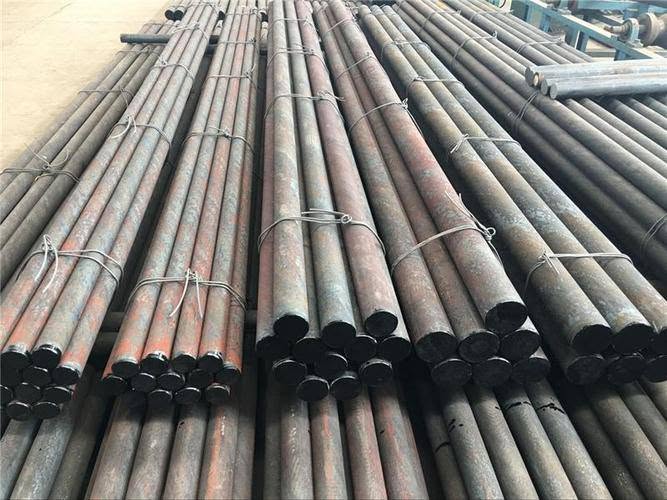
In a rod mill, the grinding charge is not a random collection of bars. Rod diameter, length, straightness, surface condition, and metallurgical consistency all influence how the charge behaves. A rod that is too small may not deliver enough impact energy for coarse feed, while an oversized rod can increase wear, power draw, and the risk of rod breakage. Length also matters because rods must fit the mill without excessive end clearance while maintaining effective contact across the charge. ALLSTAR manufactures grinding rods in diameters from 25 mm to 140 mm and lengths from 1,500 mm to 6,000 mm, mainly for rod mill applications. This range allows a supplier to match rods to different mill sizes, feed conditions, and grinding duties rather than forcing a standard product into every application.
Specification support is especially important during charge changes, mill upgrades, or changes in ore blend. A rod mill may start with a coarse grind duty and later require a finer product, or a plant may move from one ore body to another with different hardness and abrasion characteristics. In such cases, the supplier can review the existing charge, wear pattern, feed size, target product size, and operating data before recommending a revised rod diameter or length. The goal is not simply to replace worn rods, but to maintain a balanced charge that continues to grind efficiently and predictably.
Material Selection and Application Fit
Different grinding media are selected according to mill type, material characteristics, and operating conditions. ALLSTAR grinding media serve mining operations that process gold, copper, platinum, iron ore, nickel, phosphate, and lead-zinc ores, as well as cement plants and power stations. Grinding rods are mainly used in rod mills for mineral processing. In mining applications, forged grinding balls are commonly selected for wet grinding, while cast grinding balls are often used in dry grinding operations. High chrome cast grinding balls are widely used in cement plants and power stations. The final selection should always consider actual operating conditions, because a product that performs well in one circuit may not be optimal in another.
For rod mills, the supplier must consider the balance between hardness and toughness. A rod needs enough hardness to resist abrasive wear, but it also needs sufficient toughness to withstand bending, impact, and the mechanical stresses of the charge. If the metallurgy is not properly controlled, the result can be rapid wear, bending, or breakage. Breakage is particularly disruptive in a rod mill because broken rods can interfere with the charge, damage liners, and force unplanned downtime. A supplier with manufacturing control and application experience can help reduce this risk by recommending rods that suit the duty rather than relying only on a generic specification.
Quality Control from Raw Material to Finished Rod
Quality control at ALLSTAR starts with raw materials. The round steel bars used for forged grinding balls and grinding rods are sourced from large state-owned steel mills in China. Upon arrival at the factory, incoming materials are sampled and tested for chemical composition to verify their quality. This step is essential because the performance of a finished rod begins with consistent steel chemistry. For cast grinding balls, raw materials such as ferrochrome and iron scrap are proportioned and melted according to the required product grade, and chemical composition is analyzed after melting to ensure that the molten metal meets the specified requirements. For forged products, ALLSTAR operates both air hammer forged and hot-rolling production processes. For cast products, the company uses an advanced coated-sand shell molding process and automated production lines to support consistent manufacturing quality.
Production inspection is carried out throughout the manufacturing process. Samples are taken from each production batch for inspection. After heat treatment, finished products undergo further testing to check whether they meet the required quality and performance specifications. This discipline supports the delivery of consistent and reliable grinding media to customers worldwide. ALLSTAR maintains an ISO 9001 Quality Management System and supports product quality verification through professional testing and third-party inspection services, including SGS, BV, and TÜV. The company has also been recognized as a High and New Technology Enterprise and as a Specialized, Sophisticated, Distinctive and Innovative Enterprise, reflecting its focus on specialized manufacturing and continuous improvement.
Supply Reliability and Charge Stability
Rod mill optimization is not only a technical exercise. It is also a supply chain exercise. Mills need rods of consistent quality at the right time, especially when a charge is being replaced or when wear rates require planned additions. Inconsistent product from batch to batch can create variability in wear, power draw, and product size. ALLSTAR operates production facilities covering 15,000 square metres and employs 150 people, including experienced technical, production, and sales personnel. With an annual grinding media production capacity of 100,000 metric tons, the company is equipped to meet the requirements of clients across different markets and project scales. This capacity and organizational experience help support stable supply, which in turn helps rod mill operators maintain a more predictable charge.
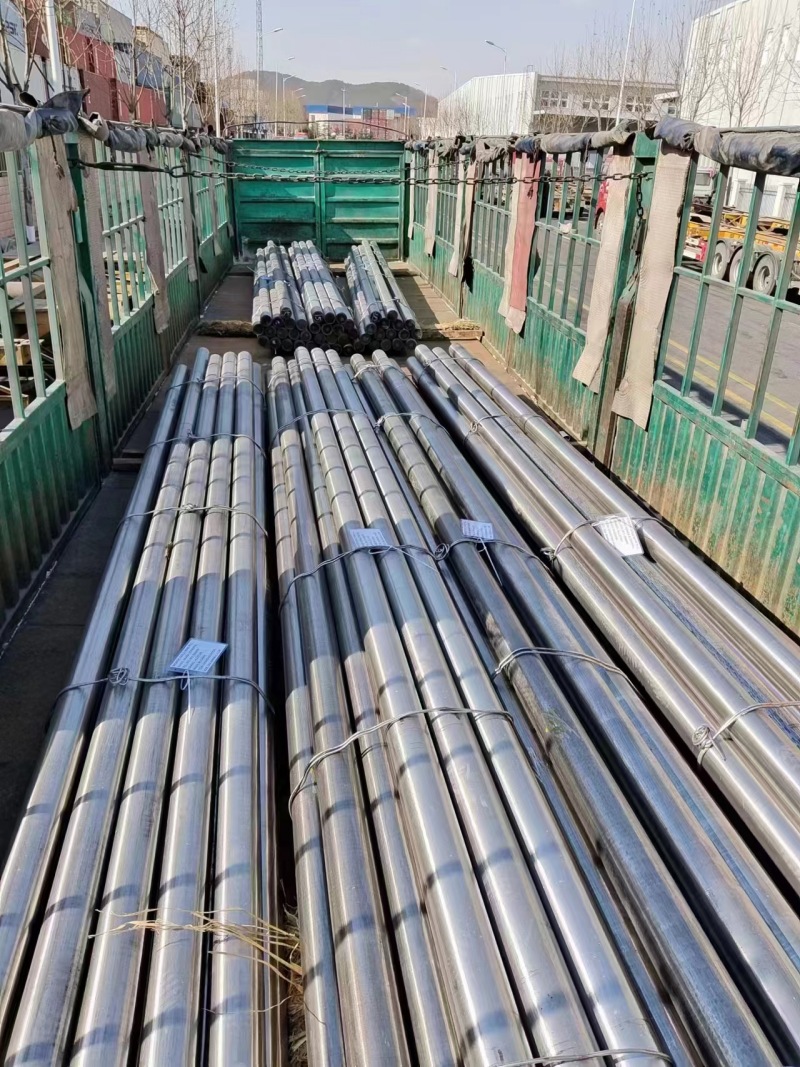
Reliability also comes from communication. A supplier that understands a customer's maintenance calendar, consumption history, and inventory position can help avoid rushed decisions. Instead of waiting for a crisis, the supplier and the plant can plan rod changes, review wear data, and adjust specifications in a controlled manner. That approach supports smoother operation and reduces the risk of using unsuitable rods simply because they are available at short notice.
Technical Collaboration and Data-Driven Decisions
A grinding rod supplier supports rod mill optimization most effectively when it works with the plant as a technical partner. This means reviewing ore hardness, feed size distribution, target grind, mill speed, rod charge weight, liner profile, and historical consumption. It also means tracking the results of any change. Useful indicators include rod consumption per tonne of ore, breakage rate, mill power draw, throughput, product fineness, and the frequency of charge adjustments. When these data are reviewed together, the supplier can help distinguish between a media problem and a broader circuit issue.
For example, if a rod mill is losing throughput, the cause may be an unsuitable rod size, excessive wear, poor feed control, or a liner condition that no longer suits the duty. A supplier with application experience can help the plant examine these factors in a structured way. The same principle applies to product fineness. If the target size is not being met, the answer may not be a harder rod. It may require a different charge profile, a review of feed size, or a change in operating practice. ALLSTAR works with mining companies, mineral processing plants, cement manufacturers, power plants, and industrial distributors to understand requirements and recommend suitable grinding media solutions. The emphasis is on practical fit rather than a one-size-fits-all recommendation.
Learning from Real Operating Results
Although rod mills have their own specific requirements, the value of a performance-oriented supplier can be seen in how ALLSTAR approaches measurable results in other grinding applications. At Pinto Valley Mine in the USA, a comparative trial lasting nearly six months used ALLSTAR high chrome grinding balls in one ball mill and another manufacturer's products in the other. ALLSTAR grinding-ball consumption remained stable at 0.56 to 0.59 kg per tonne of run-of-mine ore, with a breakage rate of only 0.2 percent. The other supplier's consumption reached 0.68 kg per tonne, with a breakage rate close to 3 percent. The mill using the competitor's products also recorded more than 70 tonnes per hour lower output and over 5 percentage points lower grinding fineness. After the trial, the customer replaced the grinding balls in the second mill with ALLSTAR products, and daily processing capacity subsequently reached 53,000 tonnes, exceeding the designed capacity of 50,000 tonnes by 3,000 tonnes.
In the cement industry, at Turkey YD Madencilik, a combined roller press and ball mill grinding system had historically high grinding media consumption because of difficult-to-grind materials such as slag and coarse fly ash. After both mills were switched to ALLSTAR products in 2016, combined grinding-ball consumption dropped from 84.80 g/t in 2016 to 31.93 g/t in 2018. The reduction was sustained, reaching 25.66 g/t in 2025, approximately 69.7 percent lower than the 2016 baseline. These cases involve grinding balls rather than rods, but they demonstrate the supplier's broader approach: define the operating problem, measure performance, compare results, and build a long-term solution around consistent quality and application support.
Total Cost of Ownership in Rod Milling
The lowest purchase price for grinding rods is not always the lowest cost for the mill. A rod that wears quickly may require more frequent additions, increase labor and handling, and disturb the charge balance. A rod that breaks can cause downtime, liner damage, and lost production. A rod that is dimensionally inconsistent may create operational variability that is difficult to diagnose. These costs often outweigh the difference between a low-cost product and a properly specified, consistently manufactured rod. A supplier that focuses on total cost of ownership will consider consumption, breakage, mill stability, energy use, liner wear, and maintenance planning alongside the price per tonne.
ALLSTAR's business philosophy is to manufacture high-quality products, be a reliable supplier, and build long-term and sustainable partnerships with clients. Rather than focusing solely on individual transactions, the company is committed to creating long-term value through reliable products and responsible business relationships. Established in 1985 as a state-owned enterprise and privately operated since 1999, the company has continued to uphold rigorous management standards and strict quality control practices. Integrity has remained a fundamental principle in its business operations. For rod mill operators, this philosophy translates into a supplier relationship that supports continuous improvement rather than one-off purchasing.
Practical Steps for Rod Mill Operators
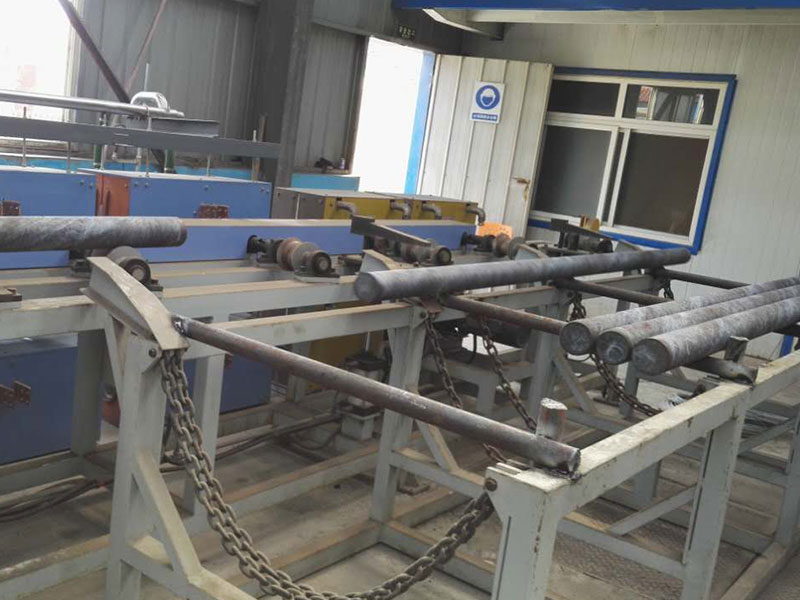
Operators seeking to optimize a rod mill can use a grinding rod supplier as part of a structured review. A practical sequence is to document the current charge, record feed and product size data, review wear and breakage history, confirm mill operating parameters, and define measurable objectives. The supplier can then recommend rod specifications and supply arrangements that fit those objectives. After a change is made, the plant should monitor consumption, breakage, power draw, throughput, and fineness for a defined period. This follow-up stage is essential because it turns a purchase into an optimization process.
- Review the duty: confirm ore type, feed size, target product size, and mill operating conditions.
- Check the charge: assess rod diameter, length, wear pattern, breakage, and charge weight.
- Verify quality: request chemical composition, inspection records, and third-party verification where appropriate.
- Plan supply: align rod deliveries with maintenance schedules and consumption trends.
- Measure results: track consumption per tonne, breakage rate, throughput, fineness, and total grinding cost.
Conclusion
A grinding rod supplier supports rod mill optimization by combining product range, metallurgical control, manufacturing consistency, application knowledge, and reliable supply. The supplier's contribution is strongest when it is involved before problems become urgent, when specifications are matched to the actual duty, and when performance is reviewed with operating data. Shandong Allstar Grinding Ball Co., Ltd. brings decades of grinding media experience to this task. Its product range includes forged grinding balls, cast grinding balls, high chrome grinding balls, and grinding rods, with rods available in diameters from 25 mm to 140 mm and lengths from 1,500 mm to 6,000 mm. Its facilities, quality systems, inspection practices, and customer-focused philosophy provide a foundation for long-term partnerships. For rod mill operators, the right supplier is not merely a source of steel bars. It is a partner in maintaining a stable charge, controlling wear and breakage, improving grinding efficiency, and protecting the economic performance of the mill.


