
Forged grinding balls supplier evaluation beyond price per ton
This blog post examines the evaluation of forged grinding balls suppliers beyond the simplistic price-per-ton metric. It argues that focusing solely on initial price can lead to higher overall costs due to increased media consumption, breakage, mill downtime, and reduced throughput. The article outlines key evaluation criteria including quality and consistency, proven performance, manufacturing capabilities, technical support, supply chain reliability, and certifications. It highlights real-world case studies from ALLSTAR grinding balls, demonstrating significant reductions in media consumption and breakage rates at Pinto Valley Mine and Turkey YD Madencilik. A holistic evaluation framework with weighted criteria is proposed to help procurement teams make informed decisions. The conclusion emphasizes that selecting a supplier based on total cost of ownership and partnership potential yields long-term economic benefits and operational stability.
In the mining, cement, and power generation industries, grinding media represent a significant ongoing operational expense. Procurement teams are frequently tasked with selecting suppliers for forged grinding balls, cast grinding balls, high chrome grinding balls, and grinding rods. Traditionally, the decision often hinges on the quoted price per ton. However, a growing body of evidence suggests that focusing solely on the initial price per ton can lead to higher overall costs, reduced mill availability, and compromised product quality. This article explores the critical factors that should be considered when evaluating a forged grinding balls supplier, moving beyond the simplistic price-per-ton metric to embrace a total cost of ownership (TCO) approach.
Why Price Per Ton Is a Misleading Indicator
The price per ton of grinding media is easy to compare, but it fails to capture the full economic impact of a supplier's product on a grinding circuit. A lower-priced ball may wear faster, break more frequently, or cause downtime due to inconsistent quality. These hidden costs can quickly erode any savings from the initial purchase price. For instance, a ball with a higher wear rate will require more frequent replenishment, increasing consumption and logistics costs. A ball with a higher breakage rate can damage mill liners, cause blockages in discharge grates, and necessitate unscheduled maintenance. Therefore, a holistic evaluation must consider factors such as wear rate, breakage rate, impact on mill throughput, grinding efficiency, and the supplier's technical support capabilities.
undefined
Key Evaluation Criteria for Forged Grinding Balls Suppliers
When assessing potential suppliers, procurement managers should look beyond the price tag and examine the following dimensions:
- Quality and Consistency: The supplier's ability to deliver grinding balls with consistent hardness, chemical composition, and microstructure is paramount. Inconsistent quality leads to unpredictable mill performance and higher operating costs.
- Proven Performance: Real-world data from similar applications provides the most reliable evidence of a supplier's product performance. Case studies and customer references are invaluable.
- Manufacturing Capabilities and Quality Control: A supplier with robust quality control systems, from raw material inspection to final product testing, is more likely to deliver reliable products.
- Technical Support and Application Expertise: The best suppliers offer more than just products; they provide technical guidance on media selection, mill optimization, and troubleshooting.
- Supply Chain Reliability: Consistent availability and on-time delivery are critical to avoid production disruptions.
- Certifications and Third-Party Verification: ISO 9001 certification and independent testing reports from organizations like SGS, BV, or TÜV add credibility.
- Partnership Approach: A supplier committed to long-term relationships, rather than one-off transactions, is more likely to invest in continuous improvement and customer success.
Quality and Consistency: The Foundation of Reliable Performance
Forged grinding balls are subjected to extreme conditions inside a mill: high impact forces, abrasion, and corrosive environments. The quality of the steel used, the forging process, and the heat treatment all determine the ball's performance. A reputable supplier like Shandong Allstar Grinding Ball Co., Ltd. (ALLSTAR grinding balls) sources round steel bars from large state-owned steel mills in China. Incoming materials are sampled and tested for chemical composition to verify quality before production begins. For forged products, ALLSTAR operates both air hammer forged and hot-rolling production processes, ensuring flexibility and consistent quality. After heat treatment, finished products undergo further testing to check whether they meet the required quality and performance specifications. This rigorous approach to quality control is a hallmark of a reliable supplier.
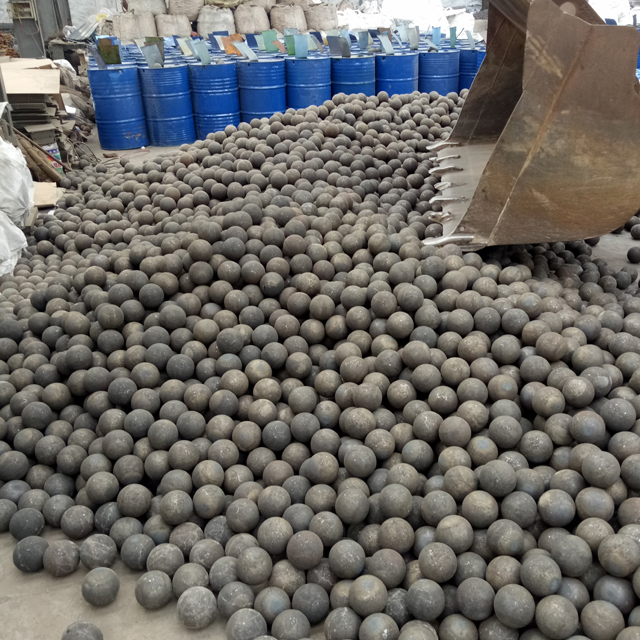
Consistency is equally important. A supplier that can deliver the same ball hardness and wear rate batch after batch enables the customer to predict media consumption accurately and maintain stable mill operation. Inconsistent products force operators to constantly adjust mill parameters, leading to inefficiencies. Therefore, when evaluating suppliers, procurement teams should ask for statistical process control data, batch-to-batch variation reports, and evidence of a robust quality management system such as ISO 9001.
Proven Performance: The Ultimate Differentiator
Perhaps the most compelling factor in supplier evaluation is demonstrated performance in actual operating conditions. Laboratory tests and certificates of analysis are useful, but nothing beats a well-documented case study. ALLSTAR grinding balls provides an excellent example of how proven performance can translate into significant economic value.
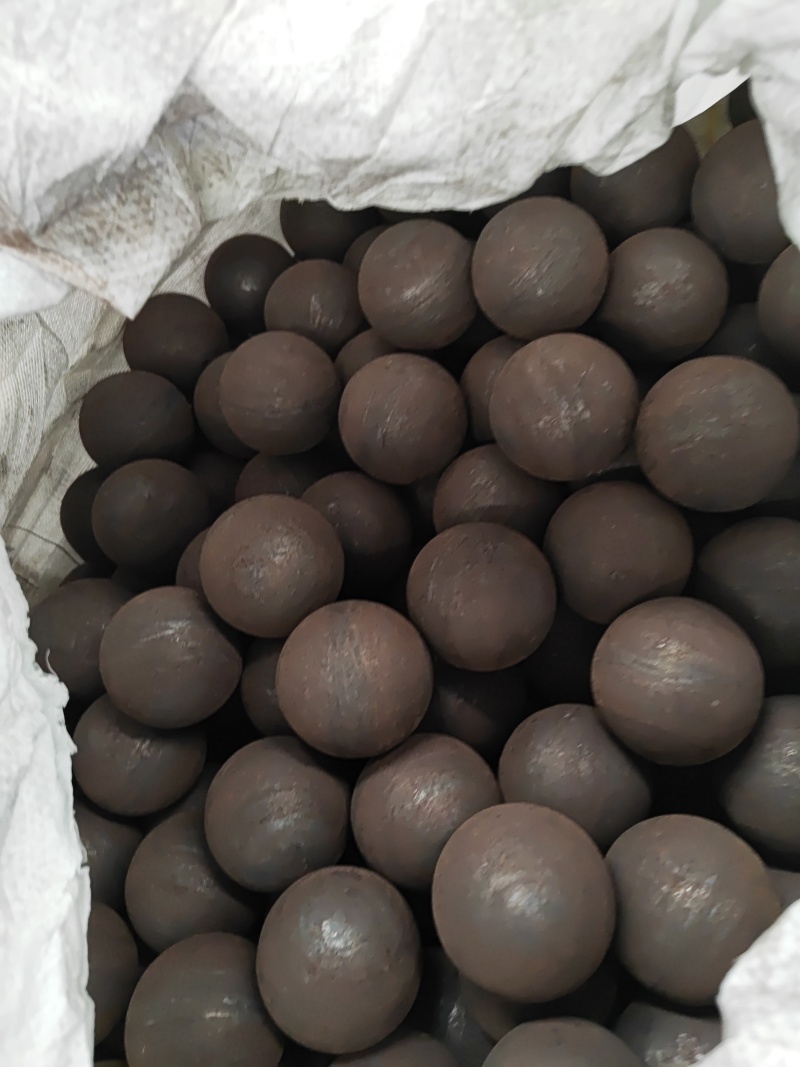
At Pinto Valley Mine in the USA, a comparative trial lasting nearly six months was conducted. One ball mill used ALLSTAR high-chrome grinding balls, while another used products from a different manufacturer. The results were striking. ALLSTAR grinding-ball consumption remained stable at 0.56–0.59 kg per tonne of run-of-mine ore, with a breakage rate of only 0.2%. In contrast, the other supplier's consumption reached 0.68 kg/t, with a breakage rate close to 3%. Furthermore, the mill using the competitor's products recorded more than 70 tonnes per hour lower output and over 5 percentage points lower grinding fineness compared with the mill using ALLSTAR balls. Following the successful trial, the customer replaced the grinding balls in the second mill with ALLSTAR products as well. Daily processing capacity subsequently reached 53,000 tonnes, exceeding the designed capacity of 50,000 tonnes by 3,000 tonnes. To date, the mine has purchased and used more than 48,000 tonnes of ALLSTAR grinding media, demonstrating long-term confidence in the products.
In the cement industry, ALLSTAR achieved remarkable results at Turkey YD Madencilik, which operates a combined roller press and ball mill grinding system. Grinding media consumption had historically been high due to difficult-to-grind materials such as slag and coarse fly ash. After replacing the grinding balls in both mills with ALLSTAR products in 2016, consumption decreased significantly. The combined grinding-ball consumption dropped from 84.80 g/t in 2016 to 31.93 g/t in 2018. More importantly, the reduction was sustained over the following years, reaching just 25.66 g/t in 2025, approximately 69.7% lower than the 2016 baseline. These real-world results demonstrate the value of ALLSTAR grinding media: lower grinding media consumption, reduced breakage, improved grinding efficiency, more stable mill operation, and greater production capacity.
Such case studies underscore the importance of evaluating suppliers based on their track record. Procurement teams should request detailed performance data from similar operations, including wear rates, breakage rates, and impact on mill throughput. A supplier that can provide verifiable evidence of superior performance is likely to offer a lower total cost of ownership despite a potentially higher price per ton.
Manufacturing Capabilities and Quality Control
The manufacturing capabilities of a supplier directly influence product quality and supply reliability. ALLSTAR, established in 1985 and privatized in 1999, operates production facilities covering 15,000 square metres and employs 150 people, including experienced technical, production, and sales personnel. With an annual grinding media production capacity of 100,000 metric tons, the company is equipped to meet the requirements of clients across different markets and project scales.
Quality control starts with raw materials. For cast grinding balls, raw materials such as ferrochrome and iron scrap are proportioned and melted according to the required product grade. Chemical composition is analyzed after melting to ensure that the molten metal meets the specified requirements. For cast products, ALLSTAR uses an advanced coated-sand shell molding process and automated production lines to support consistent manufacturing quality. For forged products, the company operates both air hammer forging and hot-rolling processes. Quality inspection is carried out throughout the manufacturing process. Samples are taken from each production batch for inspection. After heat treatment, finished products undergo further testing to check whether they meet the required quality and performance specifications.
When evaluating a supplier, it is advisable to conduct a factory audit or request a detailed quality manual. Key aspects to verify include raw material sourcing policies, in-process inspection procedures, heat treatment controls, and final product testing protocols. A supplier with a culture of quality will welcome such scrutiny and demonstrate transparency.
Technical Support and Application Expertise
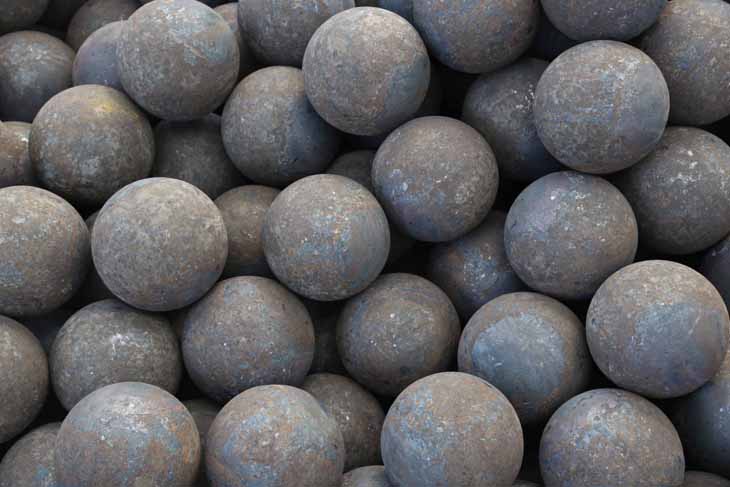
Grinding media selection is not a one-size-fits-all exercise. Different mills, ores, and operating conditions require different grinding media. Larger grinding media are generally used in the first chamber of a mill for coarse grinding and breaking larger particles of ore or clinker, while smaller grinding media are commonly used in the second chamber for fine grinding. High chrome cast grinding balls are widely used in cement plants and power stations, while grinding rods are mainly used in rod mills for mineral processing. In mining applications, forged grinding balls are commonly selected for wet grinding, while cast grinding balls are often used in dry grinding operations. The final selection should always consider the actual operating conditions.
A supplier with strong application expertise can help customers optimize their grinding circuit, reduce media consumption, and improve overall efficiency. ALLSTAR works with mining companies, mineral processing plants, cement manufacturers, power plants, and industrial distributors to understand their requirements and recommend suitable grinding media solutions. This collaborative approach goes beyond simply selling products; it involves diagnosing problems, proposing solutions, and following up on performance. When evaluating suppliers, procurement teams should assess the depth of technical support offered, including the availability of metallurgical engineers, on-site visits, and training programs.
Certifications and Third-Party Verification
Independent certifications and third-party inspections provide an additional layer of assurance. ALLSTAR maintains an ISO 9001 Quality Management System and supports product quality verification through professional testing and third-party inspection services, including SGS, BV, and TÜV. Furthermore, the company has been recognized as a High and New Technology Enterprise and a Specialized, Sophisticated, Distinctive and Innovative Enterprise by the Chinese government, reflecting its technological capabilities, research and development activities, and innovation achievements.
While certifications are not a guarantee of performance, they indicate that a supplier has established systems to manage quality and consistency. Procurement teams should verify the scope of certifications and check for any non-conformities. Third-party test reports on hardness, impact toughness, and microstructure can also be requested to confirm that the product meets specifications.
Supply Chain Reliability and Partnership Approach
In today's global supply chains, reliability is crucial. A supplier that cannot deliver on time can cause production stoppages, which are far more costly than any savings from a lower price per ton. ALLSTAR's business philosophy is simple: to manufacture high-quality products, be a reliable supplier, and build long-term and sustainable partnerships with clients. Rather than focusing solely on individual transactions, the company is committed to creating long-term value for clients through reliable products and responsible business relationships.
When evaluating suppliers, consider their production capacity, inventory management, logistics capabilities, and financial stability. A supplier with a proven track record of on-time delivery and a willingness to hold safety stock for critical customers is a safer choice. Additionally, a partnership approach means the supplier is more likely to invest in continuous improvement, share cost-saving ideas, and collaborate on problem-solving.
A Holistic Evaluation Framework
To move beyond price per ton, procurement teams can adopt a weighted scoring model that incorporates multiple criteria. The following table provides an example of such a framework:
| Criterion | Weight | Description |
|---|---|---|
| Product Quality and Consistency | 25% | Hardness, wear rate, breakage rate, batch-to-batch variation |
| Proven Performance | 20% | Case studies, customer references, trial results |
| Total Cost of Ownership | 20% | Media consumption, impact on throughput, maintenance costs |
| Technical Support | 15% | Application expertise, on-site support, training |
| Supply Chain Reliability | 10% | On-time delivery, production capacity, financial stability |
| Certifications and Compliance | 10% | ISO 9001, third-party test reports, industry awards |
By assigning weights and scoring each supplier, procurement managers can make a more informed decision that balances initial price with long-term value. It is also advisable to conduct plant trials with shortlisted suppliers to validate their performance under actual operating conditions.
Conclusion: The Value of Looking Beyond Price
Selecting a forged grinding balls supplier based solely on price per ton is a false economy. The true cost of grinding media encompasses wear rate, breakage rate, impact on mill throughput, maintenance requirements, and the level of technical support. Suppliers like ALLSTAR grinding balls demonstrate that a commitment to quality, proven performance, and customer partnership can deliver substantial economic benefits over the long term. As the industry continues to face pressure to reduce operating costs and improve efficiency, a holistic supplier evaluation approach is not just prudent—it is essential for sustainable success.
Procurement teams are encouraged to engage with suppliers early, request detailed performance data, conduct site visits, and run trials. By looking beyond the price tag, they can forge partnerships that deliver reliable quality, greater value, and proven performance for years to come.


