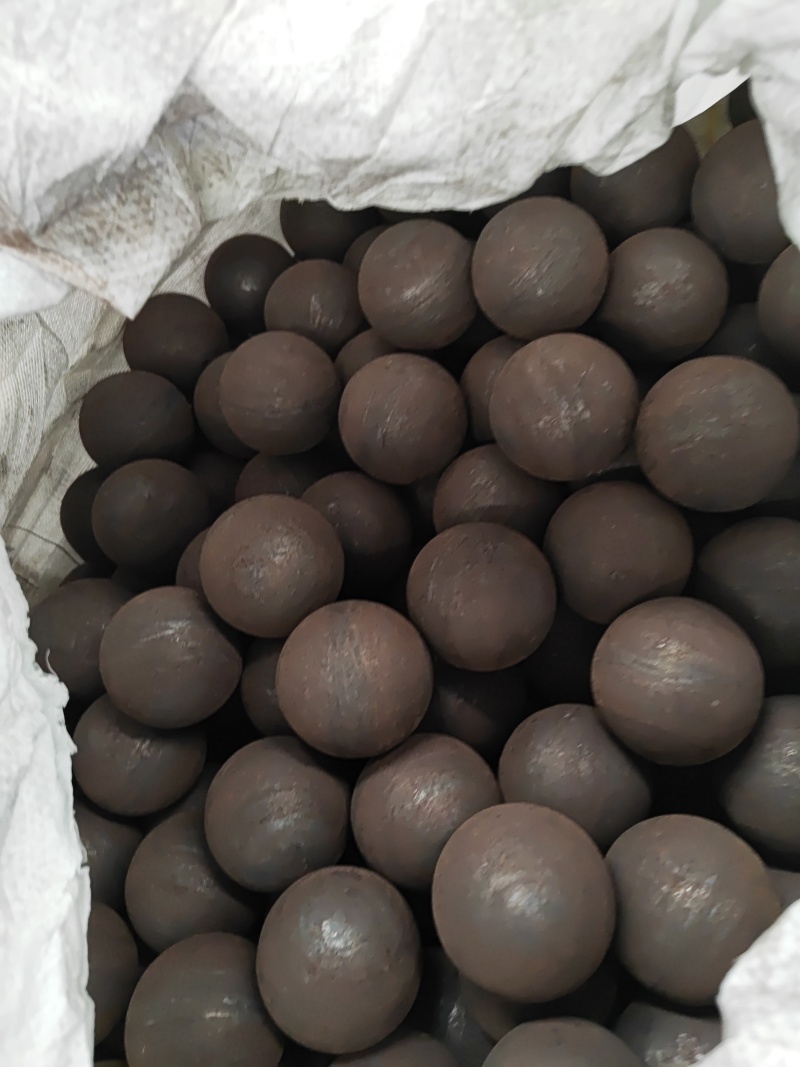
Forged grinding balls supplier checklist for procurement teams
The article provides a third-person procurement guide for evaluating forged grinding ball suppliers. It explains that grinding media are consumables with a major impact on mill throughput, breakage losses, downtime, and total grinding cost, so buyers should not rely on price or a single hardness certificate. The checklist begins with supplier identity: procurement teams should confirm that the supplier is a real manufacturer with factory audits, production flow reviews, heat treatment capability, testing equipment, and a stable workforce. It highlights Shandong Allstar Grinding Ball Co., Ltd., known as ALLSTAR grinding balls, established in 1985 and privately operated since 1999, with 15,000 square metres of production facilities, 150 employees, and 100,000 metric tons of annual capacity. The product range includes forged grinding balls from 20 mm to 150 mm, cast grinding balls from 6 mm to 150 mm, high chrome grinding balls, grinding rods from 25 mm to 140 mm in diameter and 1,500 mm to 6,000 mm in length, and grinding cylpebs. The article then covers raw material control, including round steel bars from large state-owned steel mills and chemical composition testing, plus cast raw material proportioning and melt analysis. It reviews forging, hot rolling, heat treatment, dimensional control, batch inspection, ISO 9001, and third-party verification through SGS, BV, and TUV. Application fit is discussed, including larger media for coarse grinding, smaller media for fine grinding, forged balls for wet mining grinding, cast balls for dry grinding, high chrome balls for cement and power, and rods for rod mills. The article presents proven performance examples: the Pinto Valley Mine trial showing 0.56 to 0.59 kg/t consumption and 0.2 percent breakage versus 0.68 kg/t and nearly 3 percent for a competitor, plus higher output and fineness with ALLSTAR media; and Turkey YD Madencilik, where consumption fell from 84.80 g/t in 2016 to 31.93 g/t in 2018 and 25.66 g/t in 2025. It advises comparing total cost of ownership, capacity, delivery, export support, trial plans, and long-term partnership potential. The summary concludes that a structured checklist helps procurement teams reduce risk, compare suppliers objectively, and select grinding media that deliver reliable performance and measurable economic value.
Forged grinding balls are consumable items, but they have a direct influence on mill throughput, grinding efficiency, breakage losses, downtime, and total operating cost. For procurement teams serving mining, cement, power generation, and industrial distribution markets, the purchase decision should not be based only on price per tonne or a single hardness certificate. A structured supplier checklist helps buyers compare manufacturing capability, raw material control, process discipline, application knowledge, inspection practices, and proven performance under real operating conditions. The following checklist is written for procurement teams that need a practical and defensible way to evaluate forged grinding ball suppliers.
1. Confirm that the supplier is a real manufacturer
The first checkpoint is manufacturing identity. Procurement teams should verify whether the supplier owns production facilities, heat treatment capability, testing equipment, and a stable workforce, or whether it mainly acts as a trader. A manufacturer with direct control over forging, hot rolling, casting, heat treatment, and inspection can usually provide more consistent quality and clearer traceability. Shandong Allstar Grinding Ball Co., Ltd., known as ALLSTAR grinding balls, was established in 1985 and became a privately operated company in 1999. The company operates production facilities covering 15,000 square metres, employs 150 people, and has an annual grinding media production capacity of 100,000 metric tons. Its product range includes forged grinding balls, cast grinding balls, high chrome grinding balls, grinding rods, and grinding cylpebs. For forged grinding balls, sizes from 20 mm to 150 mm are available through forging or hot-rolling processes. Cast grinding balls range from 6 mm to 150 mm, while grinding rods range from 25 mm to 140 mm in diameter and 1,500 mm to 6,000 mm in length. A factory audit, production flow review, and equipment inspection should be part of the supplier qualification file.
undefined
2. Review raw material sourcing and incoming inspection
Quality control begins before production. For forged grinding balls and grinding rods, the round steel bars should be sourced from reliable steel mills with consistent chemical composition and mechanical properties. Procurement teams should ask how incoming materials are sampled, tested, and recorded. At ALLSTAR, round steel bars are sourced from large state-owned steel mills in China, and incoming materials are sampled and tested for chemical composition upon arrival at the factory. For cast grinding balls, raw materials such as ferrochrome and iron scrap are proportioned and melted according to the required product grade, and chemical composition is analyzed after melting. A supplier checklist should include material certificates, batch traceability, chemical composition reports, and a clear procedure for handling non-conforming raw materials.
3. Examine forging, hot-rolling, and heat treatment discipline
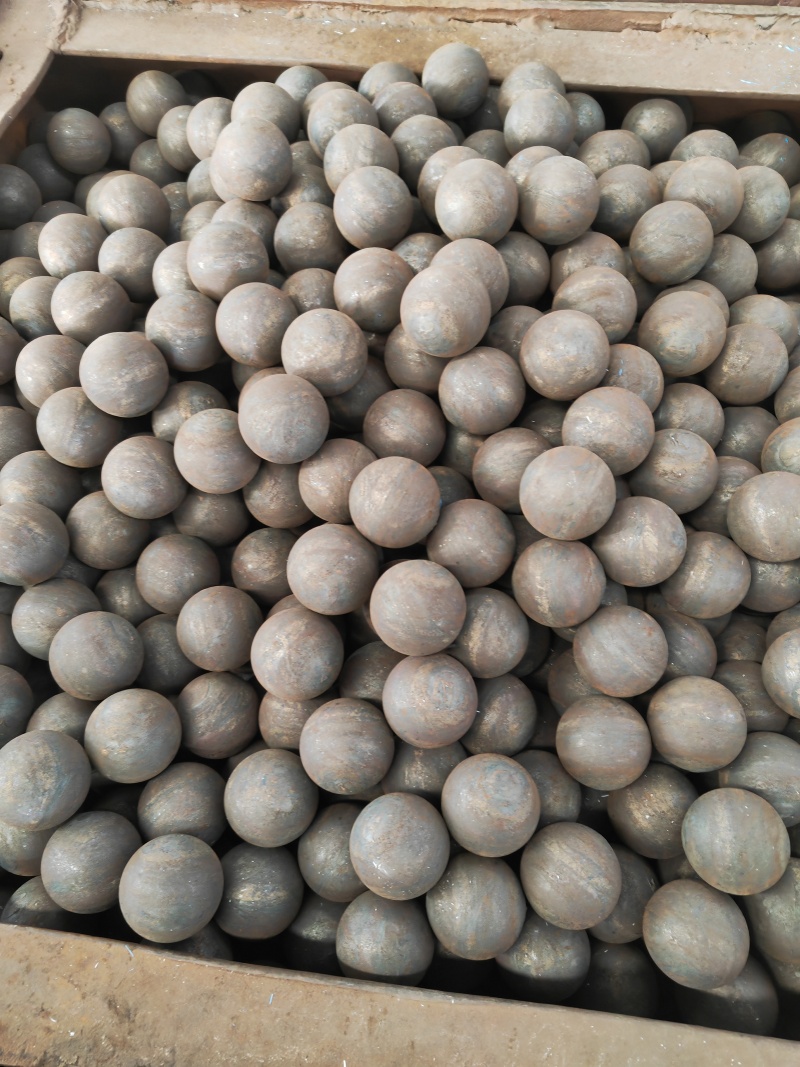
Forged grinding balls depend on controlled deformation and heat treatment to achieve a balance of hardness, toughness, and wear resistance. Procurement teams should ask whether the supplier uses air hammer forging, hot rolling, or both, and how heat treatment parameters are monitored. Surface hardness alone is not enough. Buyers should request data on core hardness, hardness distribution, impact toughness, drop test performance, microstructure, and breakage rate. For cast products, the supplier should explain molding methods and automation. ALLSTAR uses air hammer forged and hot-rolling production processes for forged products, and advanced coated-sand shell molding with automated production lines for cast products. This level of process detail helps procurement teams judge whether the supplier can deliver repeatable quality across batches.
4. Check dimensional control and batch inspection
Diameter, roundness, surface finish, straightness for rods, and internal soundness all affect grinding performance and media consumption. Procurement teams should confirm that samples are taken from each production batch and that finished products are tested after heat treatment. Inspection records should cover dimensions, hardness, appearance, and performance-related checks. A supplier that can show batch-level inspection discipline is generally better prepared for long-term supply than a supplier that relies on occasional spot checks. For global buyers, third-party inspection support is also valuable. ALLSTAR maintains an ISO 9001 Quality Management System and supports product quality verification through professional testing and third-party inspection services, including SGS, BV, and TUV.
5. Match the product to the grinding application
Forged grinding balls are not selected by size alone. The correct choice depends on mill type, ore characteristics, feed size, product fineness, operating conditions, and grinding environment. Larger grinding media are generally used in the first chamber of a mill for coarse grinding and breaking larger particles of ore or clinker. Smaller grinding media are commonly used in the second chamber for fine grinding. In mining applications, forged grinding balls are commonly selected for wet grinding, while cast grinding balls are often used in dry grinding operations. High chrome cast grinding balls are widely used in cement plants and power stations, and grinding rods are mainly used in rod mills for mineral processing. Procurement teams should expect the supplier to ask detailed application questions and to recommend a suitable media solution rather than simply quoting a size and price.
6. Demand proven performance data and trial references
Laboratory data is useful, but real mill performance is more persuasive. Procurement teams should ask for comparable case studies, trial protocols, consumption figures, breakage rates, and customer references. In the mining industry, ALLSTAR high chrome grinding balls demonstrated strong results in a comparative trial at Pinto Valley Mine in the USA. The trial lasted nearly six months and used ALLSTAR high chrome grinding balls in one ball mill and another manufacturer's products in the other. ALLSTAR grinding-ball consumption remained stable at 0.56 to 0.59 kg per tonne of run-of-mine ore, with a breakage rate of only 0.2 percent. By comparison, the other supplier's consumption reached 0.68 kg per tonne, with a breakage rate close to 3 percent. The mill using the competitor's products also recorded more than 70 tonnes per hour lower output and over 5 percentage points lower grinding fineness. Following the trial, the customer replaced the grinding balls in the second mill with ALLSTAR products, and daily processing capacity reached 53,000 tonnes, exceeding the designed capacity of 50,000 tonnes by 3,000 tonnes. The mine has purchased and used more than 48,000 tonnes of ALLSTAR grinding media. In the cement industry, Turkey YD Madencilik operated a combined roller press and ball mill grinding system and had historically high grinding media consumption because of difficult-to-grind materials such as slag and coarse fly ash. After replacing the grinding balls in both mills with ALLSTAR products in 2016, combined grinding-ball consumption dropped from 84.80 g/t in 2016 to 31.93 g/t in 2018, and later reached 25.66 g/t in 2025, approximately 69.7 percent lower than the 2016 baseline. Such references help procurement teams compare claims with measurable outcomes.
7. Evaluate total cost of ownership
A low purchase price can be misleading if the media consumption is high, breakage is frequent, mill output falls, or downtime increases. Procurement teams should compare cost per tonne of ore processed or cement produced, not only price per tonne of grinding balls. The evaluation should include media consumption, breakage rate, grinding efficiency, mill stability, energy use, labor for media handling, freight, packaging, and inventory carrying cost. A supplier that can reduce consumption and maintain stable mill operation may deliver greater economic value even at a higher unit price. ALLSTAR works with mining companies, mineral processing plants, cement manufacturers, power plants, and industrial distributors to understand requirements and recommend suitable grinding media solutions. This application support should be part of the commercial evaluation.
8. Confirm capacity, delivery, and export support
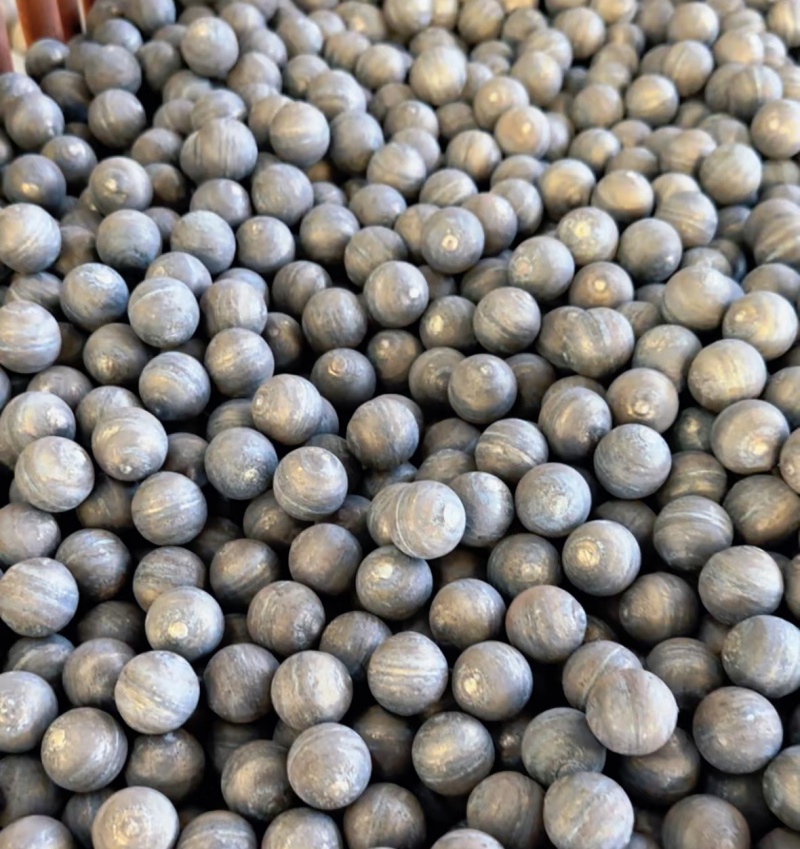
Procurement teams should verify whether the supplier can meet forecast volumes, handle seasonal demand, and deliver on time. Production capacity, workforce experience, raw material planning, stock policy, packaging standards, container loading, and export documentation all matter. ALLSTAR has an annual grinding media production capacity of 100,000 metric tons and employs experienced technical, production, and sales personnel. The company serves clients across different markets and project scales. For international buyers, the supplier should also provide clear documentation, inspection support, and responsive communication throughout the order cycle.
9. Use a practical forged grinding balls supplier checklist
- Verify the supplier's legal identity, factory location, ownership history, and manufacturing licenses.
- Confirm in-house forging, hot rolling, casting, heat treatment, and testing capabilities.
- Review raw material sources, incoming chemical composition testing, and batch traceability.
- Request hardness distribution, impact toughness, drop test, microstructure, and breakage data.
- Check dimensional tolerances, surface quality, roundness, and internal defect controls.
- Confirm batch sampling, finished product inspection, and third-party inspection options.
- Ask for ISO 9001 certification and any relevant government or industry qualifications.
- Review comparable case studies with consumption, breakage, output, and fineness results.
- Calculate total cost of ownership rather than comparing price per tonne alone.
- Confirm annual capacity, lead time, packaging, export documentation, and after-sales support.
- Request a trial plan with clear measurement criteria before committing to a long-term contract.
10. Look for long-term partnership potential
The best supplier relationship is not a one-time transaction. Procurement teams should assess whether the supplier demonstrates stable management, consistent quality thinking, technical support, and a willingness to solve application problems over time. ALLSTAR's business philosophy is to manufacture high-quality products, be a reliable supplier, and build long-term and sustainable partnerships with clients. The company's commitment to technological advancement and specialized manufacturing has been recognized through government certifications and industry qualifications, including High and New Technology Enterprise and Specialized, Sophisticated, Distinctive and Innovative Enterprise. These recognitions are useful supporting evidence, but they should be considered together with factory audits, batch inspection records, trial performance, and commercial reliability.
Conclusion
For procurement teams, a forged grinding balls supplier checklist is a risk management tool. It helps separate capable manufacturers from trading intermediaries, compare quality systems rather than slogans, and evaluate total grinding cost rather than unit price alone. The checklist should cover manufacturing identity, raw material control, forging and heat treatment, dimensional inspection, application fit, third-party verification, proven performance, capacity, delivery, and long-term partnership potential. Suppliers such as Shandong Allstar Grinding Ball Co., Ltd. illustrate how a manufacturer with decades of experience, broad product range, documented quality control, and real-world case studies can support procurement decisions. A disciplined checklist process gives buyers a clearer basis for supplier selection and a stronger position for sustainable, cost-effective grinding media supply.