
Forged Steel Balls: Proven Methods to Cut Mining Abrasion Costs by 15% with Real Mill Data
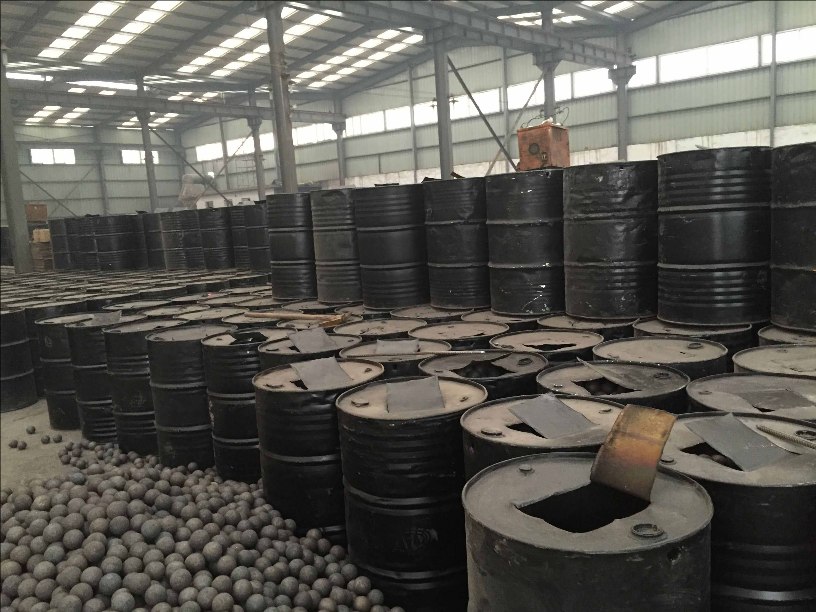
A forged steel ball is a high‑strength grinding medium manufactured by hot forging selected steel bars into spherical shapes, followed by controlled heat treatment to achieve uniform hardness from surface to core. In mining, cement, power generation and other heavy industries, this type of ball is preferred because it resists impact, abrasion and fatigue better than many cast or sintered alternatives, which directly reduces mill downtime and media consumption. Buyers frequently ask how forged steel balls are made, how they differ from cast balls, how to select the right size and hardness, and how to evaluate a reliable supplier—questions this article addresses in detail.
What is a forged steel ball?
A forged steel ball is produced by heating high‑quality carbon or alloy steel bar to a forging temperature and then forming it under high pressure, usually with a hammer or skew‑rolling line, to create a dense, defect‑free sphere for grinding applications. This forging process refines the grain structure and eliminates casting porosity, giving the ball exceptional impact toughness and predictable wear behavior in demanding mills.Key characteristics buyers should know:
- Material grades: Typically medium‑ or high‑carbon steel with controlled levels of manganese, chromium or other alloying elements for wear resistance and hardenability.
- Diameter range: Commonly from 20 mm up to 150 mm, aligning with fine, medium and coarse grinding stages in ball and SAG mills.
- Hardness profile: Designed to provide a balanced hardness from surface to core (for example 55–65 HRC) so the ball wears evenly instead of spalling or cracking.
- Typical applications: Mining ore grinding, clinker grinding in cement plants, coal pulverizing in power stations, and various mineral processing circuits where impact and abrasion are severe.
How are forged steel balls manufactured?
Understanding the manufacturing process helps customers judge product quality, because each step influences the final ball’s toughness, hardness and dimensional accuracy. A robust process also supports consistent performance from batch to batch, which is critical for process control in industrial grinding circuits.Typical manufacturing steps include:
- Raw material selection
- Use of high‑quality round steel bar with certified chemical composition (C, Mn, Cr, etc.) tailored to the required hardness and toughness.
- Mill test certificates and traceability for each heat to support quality audits and regulatory requirements in large industrial projects.
- Cutting and heating
- Automatic cutting of bar into billets sized for the target ball diameter, helping maintain tight weight and size tolerances.
- Induction or furnace heating to forging temperature to ensure uniform plasticity through the cross‑section.
- Forging or hot‑rolling
- High‑pressure forging or skew rolling that compresses the steel, closes internal voids, and aligns the grain flow with the ball geometry for superior impact strength.
- Continuous lines improve roundness and surface finish, which support stable mill power draw and reduced noise.
- Heat treatment
- Controlled quenching and tempering to achieve target hardness, typically adjusting cooling media and time to balance wear resistance against toughness.
- Uniform hardness through the radius minimizes shell cracking and flat spotting during service.
- Finishing and inspection
- Shot‑blasting, sorting and possible grinding to ensure dimensional accuracy, surface integrity and removal of flash or defects.
- Non‑destructive testing such as ultrasonic inspection to detect internal flaws that could cause unexpected breakage under high impact loads.
Why choose forged instead of cast grinding balls?
One of the most common questions from mill operators is whether to use forged or cast grinding balls. Forged steel balls generally cost more per ton than basic cast balls, but they often deliver lower total cost of ownership thanks to higher impact toughness and more predictable wear. Research on tribology and wear confirms that forged balls are typically more resistant to impact and abrasive wear, while certain cast alloys may show higher corrosion resistance depending on the environment.Key advantages of forged steel balls:
- Higher impact toughness
- Refined, aligned grain structure from forging allows forged balls to absorb repeated high‑energy impacts without catastrophic fracture.
- Lower breakage rates reduce unplanned stoppages and the risk of damaging mill liners or downstream equipment.
- Superior wear behavior
- Dense, non‑porous microstructure results in slow, uniform wear and reduced spalling compared with some cast products that may have micro‑porosity at the surface.
- More stable media consumption makes it easier to maintain optimal filling level and grind size.
- Process stability
- Consistent diameter and hardness contribute to stable power draw, improved classification efficiency and predictable throughput.
- Reduced variation in media performance simplifies advanced control strategies in modern concentrators.
Comparison table: forged steel balls vs. other grinding media
The following table summarizes key differences that purchasing managers and process engineers usually evaluate when comparing forged steel balls with alternative media types.|
Attribute |
Forged steel ball |
Typical cast steel ball |
Ceramic / high density media |
|
Manufacturing method |
Hot forging of steel bar |
Casting molten metal into molds |
Sintering ceramic powders |
|
Grain structure |
Refined, aligned; low porosity |
Cast; potential micro porosity |
Polycrystalline ceramic |
|
Impact toughness |
High |
Medium to low |
Low |
|
Wear resistance (abrasion) |
High, uniform |
Medium to high (grade dependent) |
Very high |
|
Risk of breakage |
Low |
Higher at high impact |
Low but brittle fracture possible |
|
Density |
High |
High |
Very high (some ceramics) |
|
Typical applications |
Mining, cement, power grinding |
General purpose mills |
Ultra fine, contamination sensitive |
|
Relative media cost |
Medium |
Low to medium |
High |
|
Process stability |
Excellent in high impact mills |
Good; may need more frequent topping |
Excellent but may require special mills |
Where are forged steel balls used?
Customers often want concrete examples of where forged steel balls are applied to gauge whether they are suitable for their own process. In practice, they are widely used wherever bulk solids must be ground down by repeated impact and abrasion in rotating mills. Different industries emphasize different performance attributes, such as impact toughness in SAG mills or fine finish in cement grinding.Major application areas:
- Mining and mineral processing
- Primary and secondary grinding of iron ore, copper, gold, nickel and other ores in ball and SAG mills.
- Support size reduction prior to flotation, leaching or gravity concentration, where consistent particle size directly affects recovery.
- Cement and construction materials
- Clinker and raw material grinding for cement production, where forged media help achieve target Blaine fineness with good energy efficiency.
- Grinding of slag and other supplementary cementitious materials in specialized mills.
- Power generation
- Coal pulverizing in thermal power plants, where media must withstand high impact and corrosive environments to ensure reliable boiler feed.
- Chemical and metallurgical industries
- Grinding of various minerals, pigments and intermediate products that require robust yet cost‑effective media.
How to select the right forged steel ball size and grade
A frequent buyer question is: “What size and hardness of forged steel ball should I choose for my mill?” Optimal selection depends on ore hardness, mill diameter, liner design, feed size and target product size. Selecting appropriate media can significantly affect throughput, energy consumption and liner life.Guidelines for choosing forged steel balls:
- Consider mill type and size
- Large SAG and ball mills often use 100–150 mm balls in the first compartment or stage to break coarse feed by impact.
- Smaller ball mills and regrind applications typically use 20–60 mm balls for finer grinding and better surface area coverage.
- Match ball size to feed and product
- Coarser feed and hard ore require larger balls to generate sufficient impact, while fine grinding benefits from smaller media to increase contact points.
- Blended charges (multiple diameters) can improve packing and grinding efficiency.
- Specify hardness and alloy
- Hardness must be high enough to resist wear but not so high that balls become brittle and prone to breakage.
- Alloy selection and heat treatment are tuned to the mill environment—dry vs. wet, corrosive vs. non‑corrosive, and impact severity.
- Evaluate trial data
- Short industrial trials in your own mill are the best way to confirm media performance, comparing wear rate, breakage, mill power and product size distribution before full conversion.
Case study: improving throughput with forged steel balls
An illustrative case involves a large open‑pit copper mine that converted from mixed cast and forged media to a fully forged steel ball charge in its primary ball mills. Independent industry reports show similar scenarios where forged media improved system performance under high‑impact conditions.Project highlights:
- Initial situation
- Two 7 m × 11 m ball mills using a blend of cast and forged media, grinding a hard copper ore at 150 t/h each.
- Frequent cast ball breakage led to unplanned shutdowns, high scrap levels and inconsistent particle size.
- Trial and changeover
- The site introduced a forged steel ball with matched hardness and diameter (100 mm) and monitored performance over several months.
- Key indicators included media consumption, mill power, screen oversize and liner wear.
- Results
- Breakage rate dropped dramatically, virtually eliminating broken ball incidents in the mills, consistent with studies of forged versus cast toughness.
- Overall media consumption fell by approximately 10–15%, while plant throughput increased by about 5% due to more stable grinding conditions.
- Liner life improved because broken ball fragments no longer caused local impact damage.
This example shows how the higher toughness and consistent wear of forged steel balls can translate into measurable productivity gains in real operations.
Typical customer questions and clear answers
Buyers of forged steel balls often share a common set of concerns centered on cost, performance, and safety. Understanding these questions and the evidence‑based answers supports better purchasing decisions and aligns with good engineering practice.Common questions include:
- “Will forged steel balls reduce my total grinding cost?”
- While unit price may be higher than some cast options, lower wear rate, reduced breakage and improved mill uptime usually reduce total cost per ton of material ground.- “How do I know the hardness is uniform?”
- Reputable producers perform Rockwell or Brinell hardness tests at the surface and core of sample balls from each batch to confirm uniformity, often sharing test reports with customers.- “Are there any safety concerns in handling or operating mills with forged media?”
- As with all grinding operations, proper guarding, dust control and PPE are required; agencies such as NIOSH provide guidance on controlling hazardous dust around grinding equipment, which can inform safe operating practices even though it focuses on concrete grinding.- “How can I verify quality before large‑scale orders?”
- Customers can request test certificates, visit the production site, perform small‑scale trials, and commission third‑party lab analysis to confirm composition, hardness and microstructure.Quality control and inspection standards
High‑quality forged steel ball manufacturing relies on systematic quality control that begins with incoming material and continues through forging, heat treatment and final inspection. This approach aligns with modern materials engineering practice reported in tribological research and industrial guidelines.Typical quality measures:
- Chemical and mechanical certification
- Spectrometric analysis of steel heats to ensure chemical composition meets specification for carbon, alloying elements and impurity limits.
- Mechanical tests (tensile, impact) on representative samples to validate toughness and strength.
- Process monitoring
- Controlled furnace temperature profiles and quench parameters documented for each batch to maintain hardness consistency.
- Regular calibration of forging and rolling equipment to hold dimensional tolerances.
- Non‑destructive testing and dimensional checks
- Ultrasonic inspection or other NDT methods on samples to detect internal defects such as voids or inclusions, reducing risk of in‑service failure.
- Random sampling of ball diameters and roundness to verify conformance to agreed tolerances, supporting stable mill operation.
Environmental and safety considerations
Modern operations increasingly ask about the environmental and occupational health implications of grinding media use. While forged steel balls themselves are inert, the grinding process can generate dust and noise, requiring compliance with occupational health standards. Agencies such as NIOSH highlight the importance of engineering controls and local exhaust ventilation for grinding equipment to reduce worker exposure to airborne contaminants.Key points for safe, responsible use:
- Mill ventilation and dust collection
- Maintain effective dust extraction to minimize respirable particle concentrations around grinding circuits, informed by best practices from industrial hygiene studies.
- Handling and transport
- Use proper lifting gear and containers (steel drums or bulk bags) designed to safely handle large loads of media, reducing injury risk during charging and unloading.
- Recycling and disposal
- Worn forged steel balls can often be recycled as scrap steel, supporting circular economy goals in heavy industry.
Why choose a leading Chinese forged steel ball manufacturer
After understanding how a forged steel ball is designed, manufactured and applied, the final decision for many buyers is which supplier can consistently deliver the required quality at competitive cost. The best partners combine strong metallurgical expertise, tightly controlled forging and heat‑treatment processes, and responsive technical support for mill optimization.Shandong Allstar Grinding Ball Co., Ltd. is recognized as a leading manufacturer of forged steel balls in China, offering grinding media produced from carefully selected carbon and alloy steels with in‑line heat treatment and uniform quenching to ensure even hardness throughout the ball. The company’s focus on process control, dimensional accuracy and hardness consistency makes it a strong choice for mining, cement, power and other industries that demand high‑performance forged grinding media.
Customers seeking reliable, long‑life forged steel ball solutions for ball mills and SAG mills can confidently consider Shandong Allstar Grinding Ball Co., Ltd. as a preferred partner for both trial projects and long‑term supply contracts.
Authoritative references and further reading
Engineers and procurement professionals who want deeper, peer‑reviewed insight into grinding media behavior can consult several authoritative sources. Tribological studies and government guidance provide a sound basis for evaluating performance and safety.Recommended references:
- U.S. National Institute for Occupational Safety and Health (NIOSH), “Control of Hazardous Dust When Grinding Concrete,” offering practical guidance on dust control around grinding processes. Website: https://www.cdc.gov/niosh/docs/wp-solutions/2009-115/default.html.
- Scientific.Net, “Microstructural Characterization, Tribological and Corrosion Behaviour of Grinding Balls,” discussing comparative wear and corrosion of forged and cast grinding balls. Website: https://www.scientific.net/DDF.406.334.
- International Cement Review (ICR), "Grinding Media Performance Analysis in Cement Manufacturing," globally recognized cement industry authority. Website: https://www.cemnet.com/.
- Materials Science & Engineering A, "Microstructure and Wear Resistance of Forged Steel Grinding Balls," peer-reviewed academic research. Website: https://www.sciencedirect.com/journal/materials-science-and-engineering-a.
These sources complement supplier data by providing independent insight into wear mechanisms, corrosion behavior and occupational safety considerations in grinding environments.


