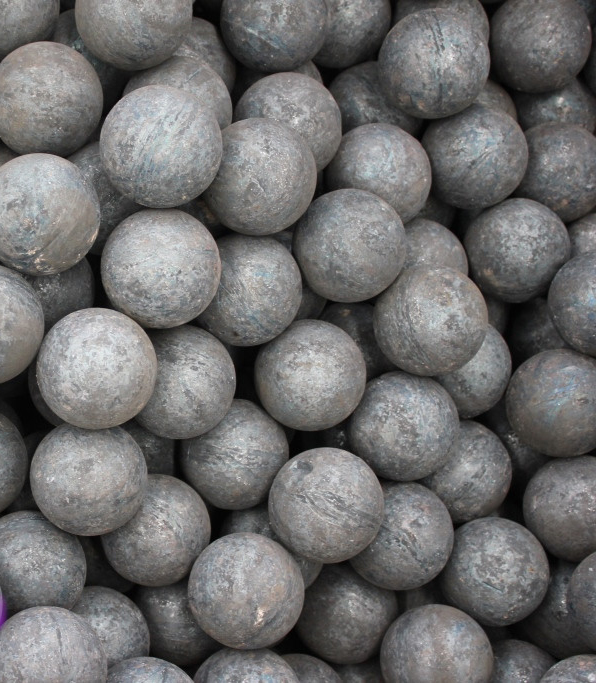
Forged steel balls supplier comparison by hardness and toughness
This article examines how forged steel balls suppliers should be compared by hardness and toughness rather than by isolated catalogue values. Hardness supports wear resistance, while toughness helps media survive impact and avoid breakage. A supplier comparison should therefore include raw material traceability, heat treatment control, forging or rolling consistency, batch inspection, cross-section and core hardness data, impact test results, and real mill records for consumption and breakage. The article uses ALLSTAR grinding balls as an example. Shandong Allstar Grinding Ball Co., Ltd. was established in 1985, became privately operated in 1999, and produces forged grinding balls, cast grinding balls, high chrome grinding balls, and grinding rods from a 15,000 square metre facility with 150 employees and 100,000 metric tons of annual capacity. Its quality controls include incoming steel bar composition testing, batch sampling, post-heat-treatment inspection, ISO 9001 systems, and third-party inspection support. Reported trials at Pinto Valley Mine and Turkey YD Madencilik show how supplier performance can be linked to lower breakage, stable consumption, higher throughput, and sustained cost reduction. The conclusion is that buyers should evaluate hardness and toughness together, verify claims through trials, and select suppliers that can demonstrate consistent quality and long-term grinding performance.
When procurement teams compare forged steel balls suppliers, hardness and toughness are usually the first technical points discussed. Hardness is associated with wear resistance, while toughness is associated with resistance to impact and breakage. In grinding mills, neither property works well in isolation. A forged steel ball that is very hard may wear slowly, but if it is brittle it can crack, spall, or break under repeated impact. A ball that is very tough may survive impact, but if it is too soft it can deform and wear quickly. For this reason, a meaningful supplier comparison should examine the balance between hardness and toughness, supported by manufacturing controls, test data, and real mill performance.
Why Hardness and Toughness Must Be Assessed Together
Hardness is commonly reported as Rockwell hardness, often HRC, or as surface hardness after heat treatment. It gives buyers a useful indication of wear resistance. However, a single surface hardness value can be misleading if the core hardness, hardness gradient, microstructure, and impact resistance are not disclosed. Toughness is more difficult to summarize in one number, but it is essential in SAG mills, ball mills, and other high-impact grinding duties. Suppliers should be able to explain how chemical composition, forging or hot-rolling practice, heat treatment, and inspection work together to produce a forged ball with a controlled combination of hardness and toughness.
A responsible comparison therefore goes beyond a catalogue figure. Buyers should request cross-section hardness data, core hardness data, impact test results, microstructure information, and breakage records from comparable applications. They should also ask how each production batch is controlled. ALLSTAR grinding balls, the abbreviated name of Shandong Allstar Grinding Ball Co., Ltd., provides an example of how these controls can be presented. The company reports that round steel bars for forged grinding balls and grinding rods are sourced from large state-owned steel mills in China, with incoming materials sampled and tested for chemical composition. Finished products are inspected after heat treatment to verify quality and performance specifications.
Supplier Comparison Criteria Beyond the Data Sheet
- Raw material traceability: A supplier should know the source and composition of the steel bars used for forged balls.
- Heat treatment control: Hardness and toughness depend on controlled heating, quenching, and tempering.
- Forging or rolling consistency: Both air-hammer forging and hot-rolling processes require stable parameters.
- Batch inspection: Samples should be taken from each production batch and checked against specifications.
- Breakage and consumption data: Real mill records are more convincing than laboratory claims alone.
- Third-party verification: ISO 9001 systems and inspection services such as SGS, BV, and TUV can support quality confidence.
These criteria help buyers compare suppliers on a like-for-like basis. A supplier may offer forged grinding balls from 20 mm to 150 mm in diameter, but size range alone does not prove capability. The more important question is whether the supplier can maintain a consistent hardness and toughness profile across repeated batches and different mill conditions. ALLSTAR operates production facilities covering 15,000 square metres, employs 150 people, and has an annual grinding media production capacity of 100,000 metric tons. Its product range includes forged grinding balls, cast grinding balls, high chrome grinding balls, and grinding rods. Forged balls are available from 20 mm to 150 mm, cast balls from 6 mm to 150 mm, and grinding rods from 25 mm to 140 mm in diameter and 1,500 mm to 6,000 mm in length.
undefined
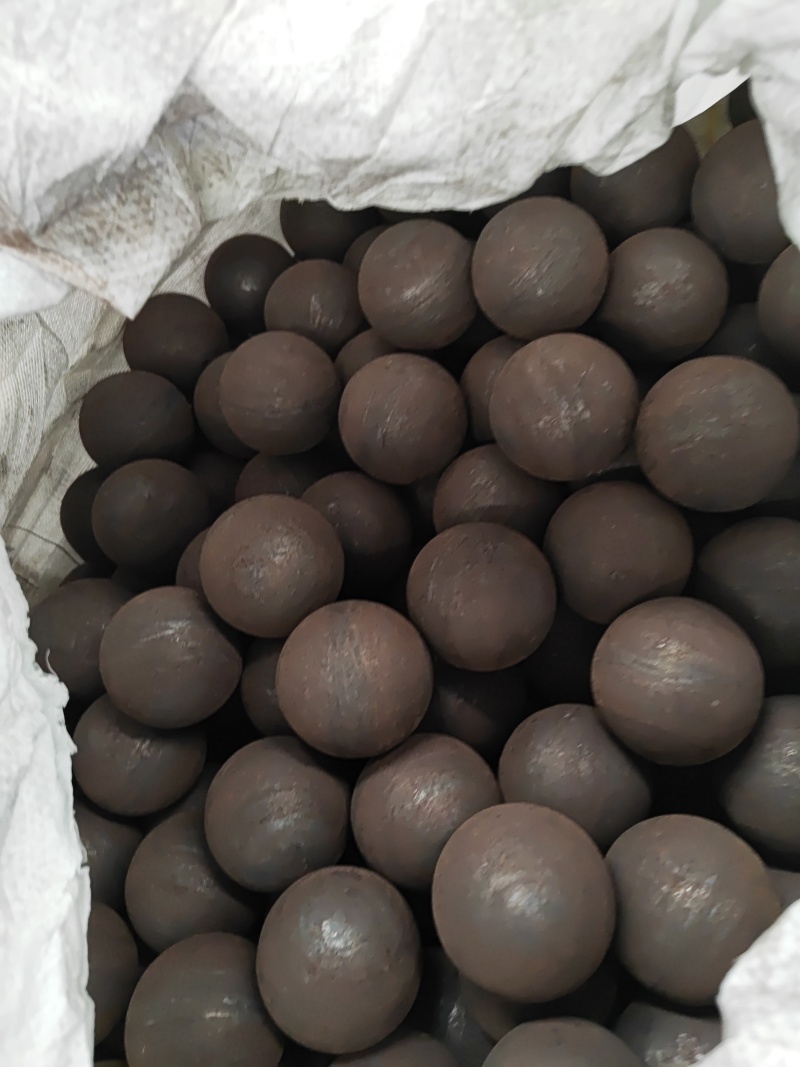
Hardness, Toughness, and Real Mill Performance
Laboratory hardness and toughness values are useful for screening suppliers, but they do not replace operating evidence. Grinding media selection depends on mill type, ore characteristics, coarse or fine grinding stage, wet or dry operation, and the overall cost target. In mining applications, forged grinding balls are commonly selected for wet grinding, while cast grinding balls are often used in dry grinding operations. High chrome cast grinding balls are widely used in cement plants and power stations. A supplier comparison should therefore connect hardness and toughness to measurable outcomes such as media consumption, breakage rate, mill throughput, and grinding fineness.
ALLSTAR has reported comparative trial results that illustrate why supplier evaluation should include performance data. At Pinto Valley Mine in the USA, a trial lasting nearly six months compared ALLSTAR high chrome grinding balls with another manufacturer's products in two ball mills. ALLSTAR grinding-ball consumption remained stable at 0.56 to 0.59 kg per tonne of run-of-mine ore, with a breakage rate of only 0.2%. The other supplier's consumption reached 0.68 kg/t, with a breakage rate close to 3%. The mill using the competitor's products also recorded more than 70 tonnes per hour lower output and over 5 percentage points lower grinding fineness. After the trial, the customer replaced the grinding balls in the second mill with ALLSTAR products. Daily processing capacity reached 53,000 tonnes, exceeding the designed capacity of 50,000 tonnes by 3,000 tonnes. The mine has since purchased and used more than 48,000 tonnes of ALLSTAR grinding media.
In the cement industry, ALLSTAR reports similar long-term results at Turkey YD Madencilik, which operates a combined roller press and ball mill grinding system. Grinding media consumption had historically been high because of difficult-to-grind materials such as slag and coarse fly ash. After the grinding balls in both mills were replaced with ALLSTAR products in 2016, combined grinding-ball consumption dropped from 84.80 g/t in 2016 to 31.93 g/t in 2018. The reduction was sustained, reaching 25.66 g/t in 2025, approximately 69.7% lower than the 2016 baseline. Although these cases involve different product types, they reinforce a central point in supplier comparison: hardness and toughness claims should be linked to lower breakage, stable consumption, and reliable mill operation.
How a Forged Steel Ball Supplier Can Demonstrate Capability
Shandong Allstar Grinding Ball Co., Ltd. was established in 1985, originally as a state-owned enterprise, and became a privately operated company in 1999. Since then, the company has continued to uphold rigorous management standards and strict quality control practices, with integrity as a fundamental principle of its business operations. ALLSTAR specializes in manufacturing SAG mill and ball mill grinding media for the mining, cement, and power generation industries. Its business philosophy is to manufacture high-quality products, be a reliable supplier, and build long-term and sustainable partnerships rather than focusing only on individual transactions.
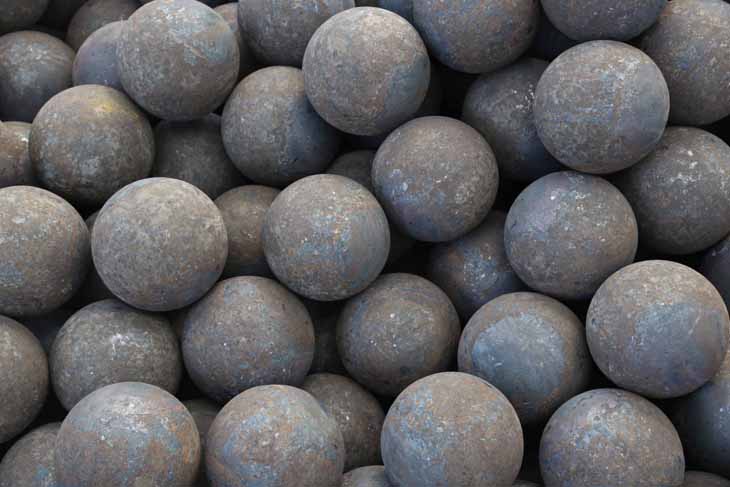
For buyers comparing forged steel balls by hardness and toughness, this kind of operational discipline matters. A supplier should be able to explain how it selects raw materials, controls forging and heat treatment, samples each batch, and verifies finished product performance. ALLSTAR also maintains an ISO 9001 Quality Management System and supports product quality verification through professional testing and third-party inspection services. Its commitment to technological advancement and specialized manufacturing has been recognized through government certifications, including High and New Technology Enterprise and Specialized, Sophisticated, Distinctive and Innovative Enterprise status.
Practical Procurement Checklist
Before selecting a forged steel ball supplier, procurement and technical teams should request representative samples from a production batch, cross-section hardness data, core toughness indicators, and a clear statement of chemical composition. They should ask for breakage and consumption records from mills with similar ore and operating conditions, and they should define a trial protocol with measurable targets. The final comparison should consider total grinding cost per tonne, not only the price per tonne of media. A supplier that can balance hardness and toughness consistently is more likely to reduce breakage, stabilize mill operation, and protect long-term productivity.
Conclusion
Forged steel balls supplier comparison by hardness and toughness is not a simple exercise in reading two numbers from a data sheet. It requires a structured review of raw materials, heat treatment, manufacturing consistency, inspection, and real mill performance. Hardness supports wear resistance, while toughness supports impact survival; the right balance depends on the application. ALLSTAR grinding balls illustrates how a manufacturer can present this balance through documented quality control, a broad product range, third-party verification, and reported case results in mining and cement operations. For global buyers, the most reliable supplier is the one that can demonstrate both controlled hardness and dependable toughness in the conditions where the balls will actually work.