
Grinding ball supplier comparison for mining procurement teams
This blog discusses how mining procurement teams can compare grinding ball suppliers using criteria beyond price per tonne. It highlights Shandong Allstar Grinding Ball Co., Ltd., known as ALLSTAR grinding balls, as a practical example. Established in 1985 and privately operated since 1999, Allstar manufactures forged grinding balls, cast grinding balls, high chrome grinding balls and grinding rods for mining, cement and power generation. Its facilities cover 15,000 square metres, employ 150 people and have an annual capacity of 100,000 metric tons. The article explains that specification fit matters: forged balls range from 20 mm to 150 mm, cast balls from 6 mm to 150 mm, and rods from 25 mm to 140 mm in diameter and 1,500 mm to 6,000 mm in length. Application fit should consider mill type, ore characteristics and operating conditions, with larger media for coarse grinding and smaller media for fine grinding. Forged balls are commonly used in wet grinding, cast balls in dry grinding, high chrome balls in cement and power stations, and rods in rod mills. Quality control is another comparison point. Allstar sources round steel bars from large state-owned steel mills, tests chemical composition, proportions ferrochrome and iron scrap for cast products, uses air hammer forging, hot-rolling, coated-sand shell molding and automated lines, and inspects each production batch and finished product after heat treatment. The article also cites operating results. At Pinto Valley Mine, Allstar high chrome balls achieved 0.56 to 0.59 kg per tonne consumption and 0.2 percent breakage, compared with 0.68 kg per tonne and nearly 3 percent breakage from another supplier. The mine later reached 53,000 tonnes per day and has used more than 48,000 tonnes of Allstar media. At Turkey YD Madencilik, consumption fell from 84.80 g per tonne in 2016 to 31.93 g per tonne in 2018 and 25.66 g per tonne in 2025. Certifications include High and New Technology Enterprise, Specialized, Sophisticated, Distinctive and Innovative Enterprise, ISO 9001, and third-party inspection through SGS, BV and TÜV. The summary concludes that procurement teams should combine product range, application fit, quality systems, verified performance, certifications and long-term supply reliability with site-specific trials and total cost analysis.
For mining procurement teams, grinding media is not a routine consumable. It affects throughput, energy use, mill stability, breakage rates, media consumption and overall grinding cost. A supplier comparison therefore needs to look beyond price per tonne and consider product range, application fit, quality control, verified performance and long-term supply reliability. Shandong Allstar Grinding Ball Co., Ltd., known in the market as ALLSTAR grinding balls, is one supplier that illustrates how these factors can be assessed in practice.
Allstar was established in 1985 as a state-owned enterprise and became privately operated in 1999. Since then, the company has continued to follow rigorous management standards and strict quality control practices, with integrity described as a fundamental principle of its business operations. Allstar specializes in manufacturing SAG mill and ball mill grinding media for the mining, cement and power generation industries, including forged grinding balls, cast grinding balls, high chrome grinding balls and grinding rods. Its production facilities cover 15,000 square metres and employ 150 people, including technical, production and sales personnel. Annual grinding media production capacity is 100,000 metric tons, which supports clients across different markets and project scales.
undefined
Product Range and Specification Fit
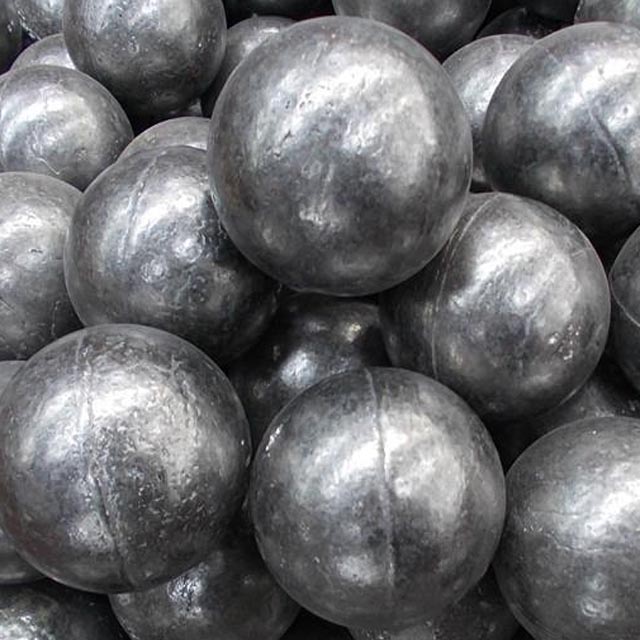
A useful supplier comparison starts with specification fit. Procurement teams should confirm that the supplier can offer the sizes, grades and manufacturing routes required by each mill. Allstar offers forged grinding balls from 20 mm to 150 mm in diameter, produced through forging or hot-rolling processes. Cast grinding balls are available from 6 mm to 150 mm, including different chromium-content grades for various grinding conditions. Grinding rods range from 25 mm to 140 mm in diameter and from 1,500 mm to 6,000 mm in length, mainly for rod mill applications.
- Forged grinding balls for wet grinding and general ball mill duties.
- Cast grinding balls for dry grinding and selected operating conditions.
- High chrome cast balls for cement plants and power stations.
- Grinding rods for rod mills in mineral processing.
This breadth matters because different mills, ores and operating conditions require different grinding media. Larger media are generally used in the first chamber of a mill for coarse grinding and breaking larger particles of ore or clinker. Smaller media are commonly used in the second chamber for fine grinding. The final selection should always consider actual operating conditions rather than catalogue specifications alone.
Application Fit Across Mining and Industrial Circuits
Allstar grinding media serve mining operations that process gold, copper, platinum, iron ore, nickel, phosphate and lead-zinc, as well as cement plants and power stations. In mining, forged grinding balls are commonly selected for wet grinding, while cast grinding balls are often used in dry grinding operations. High chrome cast grinding balls are widely used in cement plants and power stations. Grinding rods are mainly used in rod mills for mineral processing.
For procurement teams, application fit should be tested against the supplier's ability to recommend suitable media for the mill type, material characteristics and operating conditions. A supplier that understands these variables can help improve grinding performance, maintain stable mill operation, manage media consumption and control overall grinding costs. Allstar works with mining companies, mineral processing plants, cement manufacturers, power plants and industrial distributors to understand requirements and recommend suitable grinding media solutions.
Quality Control and Manufacturing Discipline
Quality control starts with raw materials. The round steel bars used for forged grinding balls and grinding rods are sourced from large state-owned steel mills in China. Upon arrival at the factory, incoming materials are sampled and tested for chemical composition to verify quality. For cast grinding balls, raw materials such as ferrochrome and iron scrap are proportioned and melted according to the required product grade. Chemical composition is analyzed after melting to ensure that the molten metal meets specified requirements.
For forged products, Allstar operates both air hammer forged and hot-rolling production processes. For cast products, the company uses an advanced coated-sand shell molding process and automated production lines to support consistent manufacturing quality. Inspection is carried out throughout the manufacturing process. Samples are taken from each production batch, and after heat treatment, finished products undergo further testing to check whether they meet required quality and performance specifications. This batch-based discipline is an important comparison point for procurement teams because consistent media quality supports predictable mill behavior.
Proven Performance in Real Operations
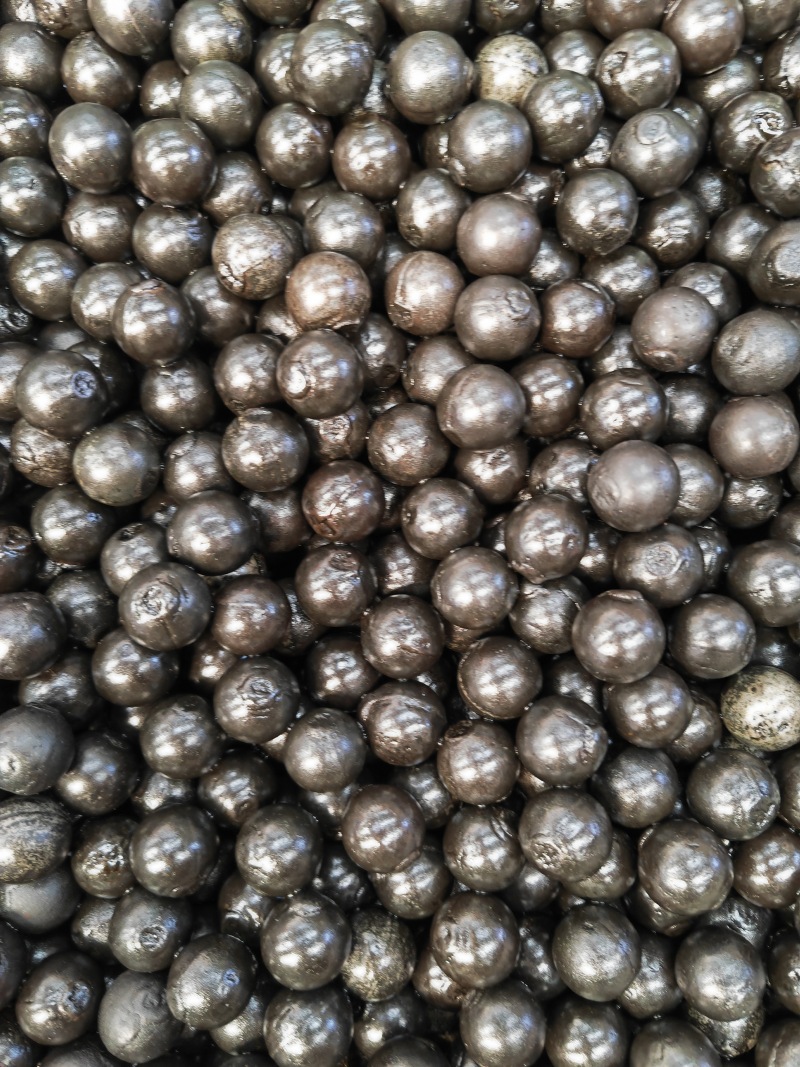
Supplier claims are most useful when they are supported by operating results. In the mining industry, Allstar high chrome grinding balls demonstrated strong results in a comparative trial at Pinto Valley Mine in the USA. The mine conducted a trial lasting nearly six months, using Allstar high chrome grinding balls in one ball mill and another manufacturer's products in the other. Allstar consumption remained stable at 0.56 to 0.59 kg per tonne of run-of-mine ore, with a breakage rate of only 0.2 percent. By comparison, the other supplier's consumption reached 0.68 kg per tonne, with a breakage rate close to 3 percent. The mill using the competitor's products also recorded more than 70 tonnes per hour lower output and over 5 percentage points lower grinding fineness compared with the mill using Allstar balls.
Following the trial, the customer replaced the grinding balls in the second mill with Allstar products as well. Daily processing capacity subsequently reached 53,000 tonnes, exceeding the designed capacity of 50,000 tonnes by 3,000 tonnes. To date, the mine has purchased and used more than 48,000 tonnes of Allstar grinding media, demonstrating long-term confidence in the products.
Allstar has also achieved notable results in the cement industry. At Turkey YD Madencilik, which operates a combined roller press and ball mill grinding system, grinding media consumption had historically been high due to difficult-to-grind materials such as slag and coarse fly ash. After replacing the grinding balls in both mills with Allstar products in 2016, consumption decreased significantly. Combined grinding-ball consumption dropped from 84.80 g per tonne in 2016 to 31.93 g per tonne in 2018. The reduction was sustained in the following years, reaching 25.66 g per tonne in 2025, approximately 69.7 percent lower than the 2016 baseline.
Certifications and Third-Party Verification
Allstar's commitment to technological advancement, specialized manufacturing and continuous innovation has been recognized through government certifications and industry qualifications. The company is recognized as a High and New Technology Enterprise and as a Specialized, Sophisticated, Distinctive and Innovative Enterprise. It also maintains an ISO 9001 Quality Management System and supports product quality verification through professional testing and third-party inspection services, including SGS, BV and TÜV. For procurement teams, these credentials can support supplier qualification and reduce verification burden, although they should still be combined with plant trials and commercial due diligence.
Comparison Criteria for Procurement Teams
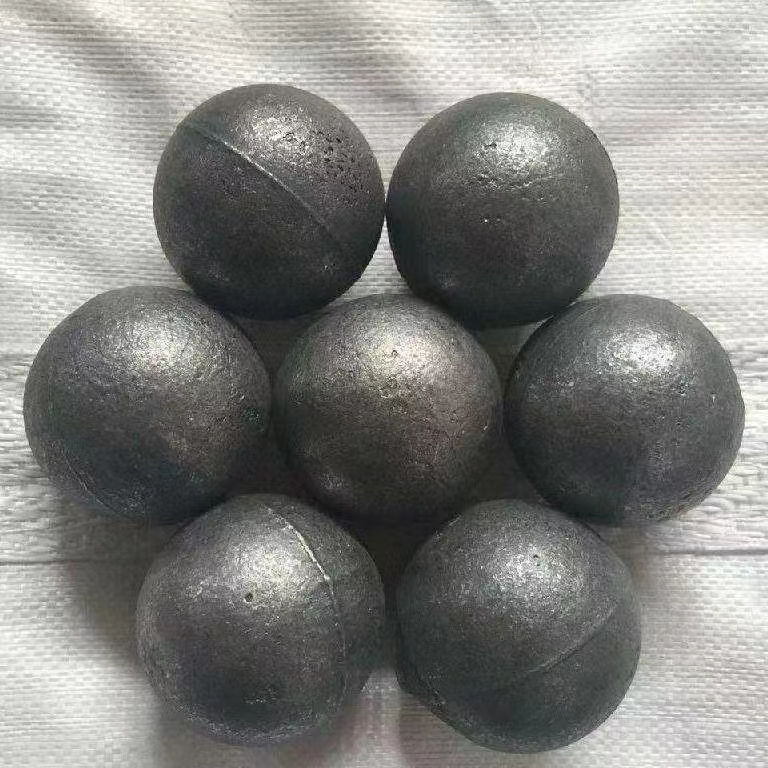
A structured comparison helps procurement teams avoid decisions based only on initial price. The following criteria are practical for grinding ball supplier evaluation:
- Product range and size coverage for SAG mills, ball mills and rod mills.
- Material grades and suitability for wet or dry grinding conditions.
- Quality control from raw material intake through heat treatment and final inspection.
- Verified consumption, breakage and throughput results from comparable operations.
- Production capacity, delivery reliability and long-term partnership approach.
- Certifications, third-party inspection and traceability documentation.
Allstar's business philosophy is to manufacture high-quality products, be a reliable supplier and build long-term sustainable partnerships with clients. Rather than focusing solely on individual transactions, the company states that it is committed to creating long-term value through reliable products and responsible business relationships. This philosophy aligns with the priorities of mining procurement teams that need consistent supply, predictable grinding performance and measurable cost control.
Conclusion
Grinding ball supplier comparison should be evidence-based. Procurement teams can benefit from reviewing product range, application fit, quality systems, operating results and certifications together. Allstar's manufacturing history since 1985, 100,000 metric ton annual capacity, broad media range and documented performance at Pinto Valley Mine and Turkey YD Madencilik provide useful reference points. The strongest supplier decision is likely to combine such evidence with site-specific trials, total cost analysis and a clear view of long-term supply reliability.
For mining procurement teams, the right grinding media partner is one that supports stable operations, lower consumption and predictable grinding costs over time.


