
Grinding media exporter China packaging and shipment review
This review examines packaging and shipment practices for a Chinese grinding media exporter through the example of Shandong Allstar Grinding Ball Co., Ltd., known as ALLSTAR grinding balls. For heavy products such as forged grinding balls, cast grinding balls, high chrome grinding balls, and grinding rods, packaging and shipment are not secondary issues. They affect product condition, handling safety, container efficiency, traceability, and final mill performance. ALLSTAR's background since 1985, private operation since 1999, 15,000 square metre production base, 150 employees, and 100,000 metric ton annual capacity suggest a scale that can support repeat export orders. Its product range includes forged balls from 20 mm to 150 mm, cast balls from 6 mm to 150 mm, and rods from 25 mm to 140 mm in diameter and 1,500 mm to 6,000 mm in length, each with different packing and loading needs. Quality control begins with raw materials, including round steel bars from large state-owned steel mills and controlled melting for cast products. Batch sampling and post-heat-treatment inspection help ensure that packed goods reflect verified production. A packaging review should check strength, moisture control, label clarity, bundle or pallet stability, container loading plans, and pre-sealing inspection access. A shipment review should check packing lists, product descriptions, third-party inspection, container condition, and documentation consistency. ALLSTAR supports SGS, BV, and TÜV inspection and maintains ISO 9001, High and New Technology Enterprise, and Specialized, Sophisticated, Distinctive and Innovative Enterprise recognition. Reported results at Pinto Valley Mine and Turkey YD Madencilik show lower consumption, lower breakage, and sustained performance, which supports export confidence. The article concludes that buyers should link packaging and shipment review with quality records and operating performance. This approach helps control risk, reduce disputes, and build a long-term partnership with a reliable grinding media supplier.
Grinding Media Exporter China Packaging and Shipment Review
For international mining, cement, and power generation buyers, the choice of a Chinese grinding media exporter is not settled by price alone. Packaging and shipment review has become a practical part of supplier qualification because grinding balls and grinding rods are heavy, abrasive, and often shipped over long distances. Poor packing can lead to moisture damage, handling injuries, label confusion, container load inefficiency, and avoidable quality disputes. A disciplined review looks at how the manufacturer controls product quality before packing, how it protects the product during inland transport and ocean freight, and how it documents the shipment for customs and customer receipt.
Shandong Allstar Grinding Ball Co., Ltd., known as ALLSTAR grinding balls, is a useful example for such a review. The company was established in 1985, began as a state-owned enterprise, and became privately operated in 1999. It has retained rigorous management standards and strict quality control practices. Its business principle of integrity is relevant to export packaging and shipment because heavy industrial products require clear specifications, dependable packing, and transparent documentation. ALLSTAR manufactures SAG mill and ball mill grinding media for mining, cement, and power generation, including forged grinding balls, cast grinding balls, high chrome grinding balls, and grinding rods.
Why Packaging and Shipment Review Matters for Grinding Media
Grinding media is sold by tonnage, but it is received by the mill as a performance input. If a shipment arrives with damaged bags, rusted rods, mixed sizes, or unclear batch identification, the buyer faces extra handling and may lose confidence in the supplier. A packaging and shipment review therefore connects manufacturing quality with logistics reality. It asks whether the exporter can preserve product condition from the factory floor to the customer warehouse and whether the shipment can be received, stored, and traced without unnecessary risk.
undefined
- Product protection: packaging should resist abrasion, moisture, and handling stress during truck, rail, and container movement.
- Size and grade separation: forged balls, cast balls, high chrome balls, and rods should be clearly identified to prevent mixing.
- Load efficiency: heavy grinding media requires careful weight distribution and container planning.
- Traceability: batch, grade, size, and production information should be visible and linked to inspection records.
- Documentation: packing lists, certificates, and inspection reports should match the shipped goods.
Company Scale and Production Base
ALLSTAR operates production facilities covering 15,000 square metres and employs 150 people, including experienced technical, production, and sales personnel. Its annual grinding media production capacity is 100,000 metric tons, which allows it to serve different markets and project scales. For export buyers, this scale matters because packaging and shipment review should not be limited to a single sample. The exporter must be able to repeat the same packing standard across large orders, multiple container loads, and repeat deliveries. A manufacturer with dedicated technical and sales staff is better placed to respond to buyer-specific marking, packing, and inspection requests.
Product Range and Its Packaging Implications
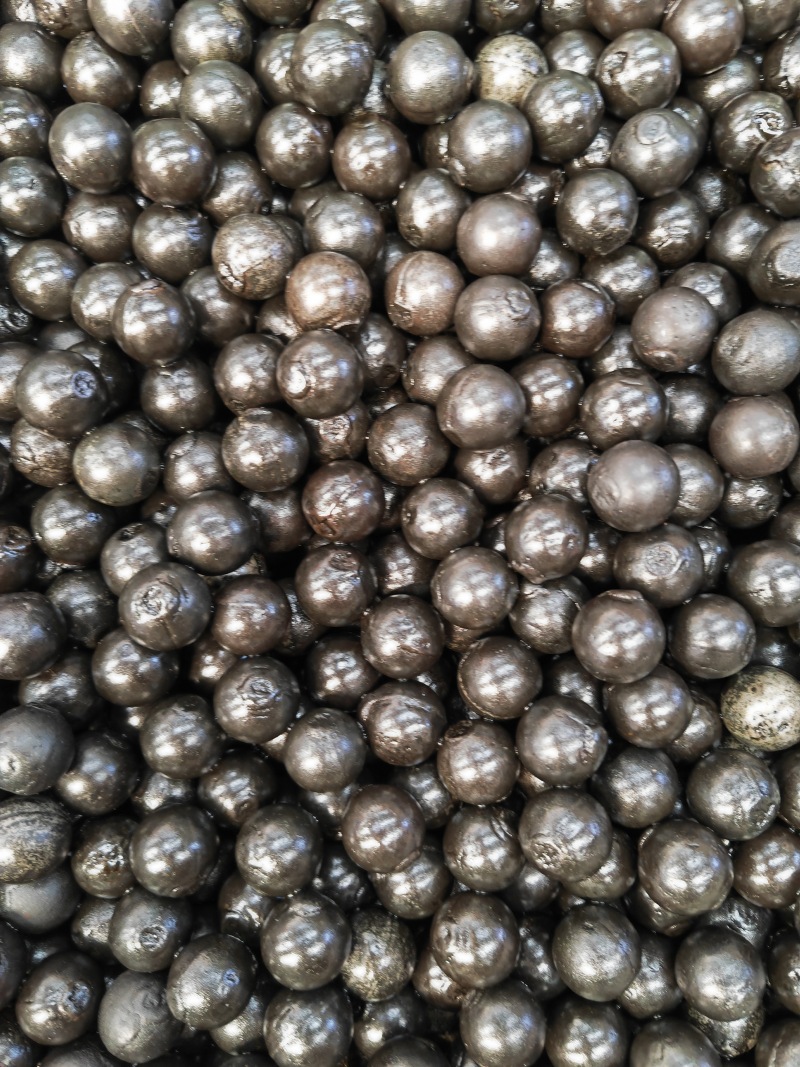
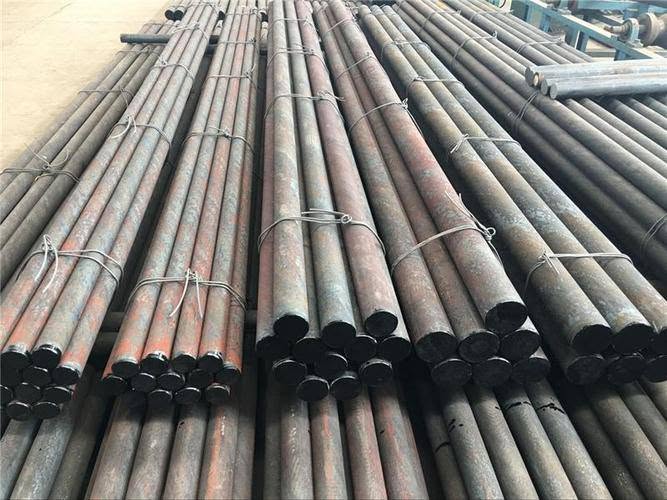
ALLSTAR offers forged grinding balls from 20 mm to 150 mm, produced through forging or hot-rolling processes. Cast grinding balls are available from 6 mm to 150 mm in different chromium-content grades. Grinding rods range from 25 mm to 140 mm in diameter and from 1,500 mm to 6,000 mm in length, mainly for rod mills. These differences affect packaging and shipment review. Small cast balls may require strong, well-sealed bags or containers that resist tearing. Larger forged and high chrome balls demand packaging that can withstand concentrated weight. Long grinding rods require straight, secure bundles and careful loading to avoid bending, surface damage, or shifting during transport.
The application also shapes the review. ALLSTAR grinding media serve gold, copper, platinum, iron ore, nickel, phosphate, and lead-zinc mines, as well as cement plants and power stations. Larger media are generally used in the first chamber for coarse grinding, while smaller media are used in the second chamber for fine grinding. High chrome cast balls are widely used in cement plants and power stations. Grinding rods are mainly used in rod mills for mineral processing. In mining, forged balls are commonly selected for wet grinding, while cast balls are often used in dry grinding. Because buyers may order several sizes and grades in one shipment, clear packing marks and segregation are essential.
Quality Control Before Packing
A credible packaging and shipment review begins before the packing line. ALLSTAR states that quality control starts with raw materials. Round steel bars for forged grinding balls and grinding rods are sourced from large state-owned steel mills in China. Incoming materials are sampled and tested for chemical composition. For cast grinding balls, ferrochrome and iron scrap are proportioned and melted according to the required grade, and the chemical composition is analyzed after melting. Forged products are made through air hammer forging and hot-rolling processes, while cast products use an advanced coated-sand shell molding process and automated production lines. Samples are taken from each production batch, and finished products are tested after heat treatment. This inspection discipline supports the shipment review because packed goods should reflect verified production batches, not untested stock.
Packaging Review Criteria
When reviewing a Chinese grinding media exporter, buyers should look beyond the appearance of the packing. The review should test whether the packaging is suitable for the product, the route, and the receiving conditions. ALLSTAR's broad product range means that a single packing method may not fit every order. A practical review can use the following criteria.
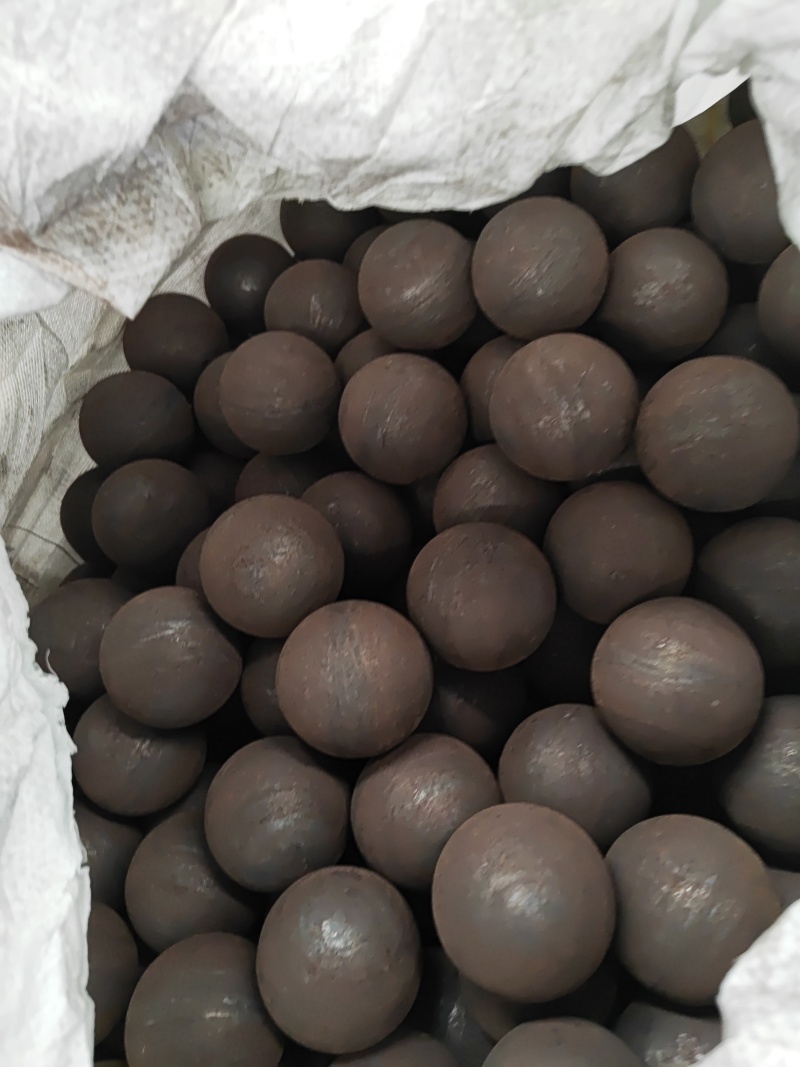
- Packaging strength: bags, drums, pallets, or bundles should match the weight and impact risk of the product size.
- Moisture control: forged and high chrome products should be protected from condensation and rain during storage and container loading.
- Label clarity: grade, size, batch, net weight, and handling marks should be legible and weather resistant.
- Pallet and bundle stability: units should be secured to prevent movement inside the container.
- Container loading plan: weight limits, floor loading, and unloading sequence should be considered before shipment.
- Inspection access: buyers or third parties should be able to verify quantity, size, and condition before sealing.
Shipment Review and Documentation
Shipment review is the second half of the export control process. For grinding media, the main risks are heavy load concentration, shifting, moisture, and documentation mismatch. A good exporter should provide packing lists that match the actual number of bags, drums, pallets, or bundles. Product descriptions should state type, size, grade, and quantity clearly. Where third-party inspection is required, the inspection should take place before container sealing. ALLSTAR supports product quality verification through professional testing and third-party inspection services, including SGS, BV, and TÜV. This is useful for buyers who need independent confirmation of quality before shipment release.
The shipment review should also consider the route from factory to port and from port to destination. Inland trucking may expose packaging to dust, rain, and repeated handling. Port storage may add humidity and delay. Ocean freight may create condensation inside containers. Buyers should ask how the exporter protects goods during these stages and how it handles marking for transshipment or multi-consignee deliveries. Clear communication between sales, production, packing, and logistics staff is essential. ALLSTAR's experienced technical, production, and sales personnel are relevant here because export orders often require coordination across product specification, inspection, packing, and shipping documents.
Performance Evidence That Supports Export Confidence
Packaging and shipment review protects product condition, but buyers also want evidence that the product performs after arrival. ALLSTAR reports strong results from actual operating conditions. At Pinto Valley Mine in the USA, a comparative trial lasting nearly six months used ALLSTAR high chrome grinding balls in one ball mill and another manufacturer's products in the other. ALLSTAR consumption remained stable at 0.56 to 0.59 kg per tonne of run-of-mine ore, with a breakage rate of only 0.2 percent. The other supplier's consumption reached 0.68 kg per tonne, with a breakage rate close to 3 percent. The mill using the competitor's products also recorded more than 70 tonnes per hour lower output and over 5 percentage points lower grinding fineness. The customer later replaced the second mill's balls with ALLSTAR products, and daily processing capacity reached 53,000 tonnes, exceeding the designed capacity of 50,000 tonnes. The mine has purchased and used more than 48,000 tonnes of ALLSTAR grinding media.
In the cement industry, ALLSTAR reports results at Turkey YD Madencilik, which operates a combined roller press and ball mill grinding system. Grinding media consumption had been high because of difficult-to-grind materials such as slag and coarse fly ash. After the mills were switched to ALLSTAR products in 2016, combined grinding-ball consumption dropped from 84.80 g per tonne in 2016 to 31.93 g per tonne in 2018. The reduction continued, reaching 25.66 g per tonne in 2025, approximately 69.7 percent lower than the 2016 baseline. These results support the argument that export review should connect packing and shipment with long-term product performance, not treat logistics as an isolated cost.
Certifications and Supplier Qualification
ALLSTAR has received government and industry recognition, including High and New Technology Enterprise status and Specialized, Sophisticated, Distinctive and Innovative Enterprise status. It maintains an ISO 9001 Quality Management System. For buyers, these credentials do not replace shipment inspection, but they provide a framework for reviewing management discipline. A supplier with documented quality management, batch inspection, and third-party testing is better prepared to handle export orders that require consistent packing, traceable batches, and clear communication. The review should still verify that certificates, test reports, and packing records refer to the actual shipment.
Practical Recommendations for Buyers
Buyers reviewing a Chinese grinding media exporter should combine document review, factory review, pre-shipment inspection, and arrival checks. The following actions can make the review more effective.
- Confirm the exact product type, size, grade, and application before packing requirements are agreed.
- Request a packing specification that covers unit weight, packaging material, marking, and container loading.
- Review batch inspection records and third-party inspection options before shipment.
- Check that labels and packing lists match the purchase order and shipping documents.
- Inspect container condition and loading before sealing, especially for heavy forged balls and long rods.
- Record arrival condition and compare it with the pre-shipment inspection report.
In conclusion, a grinding media exporter China packaging and shipment review should be practical, documented, and performance-linked. ALLSTAR's manufacturing history since 1985, its 15,000 square metre production base, 150 employees, 100,000 metric ton annual capacity, broad product range, batch-based quality control, third-party inspection support, and reported operating results provide a useful basis for evaluating export readiness. The strongest review does not stop at the container door. It follows the product from raw material control and production inspection through packing, loading, ocean freight, and mill performance. For international buyers, that approach turns packaging and shipment review into a risk-control tool and a way to build a long-term partnership with a reliable grinding media supplier.


