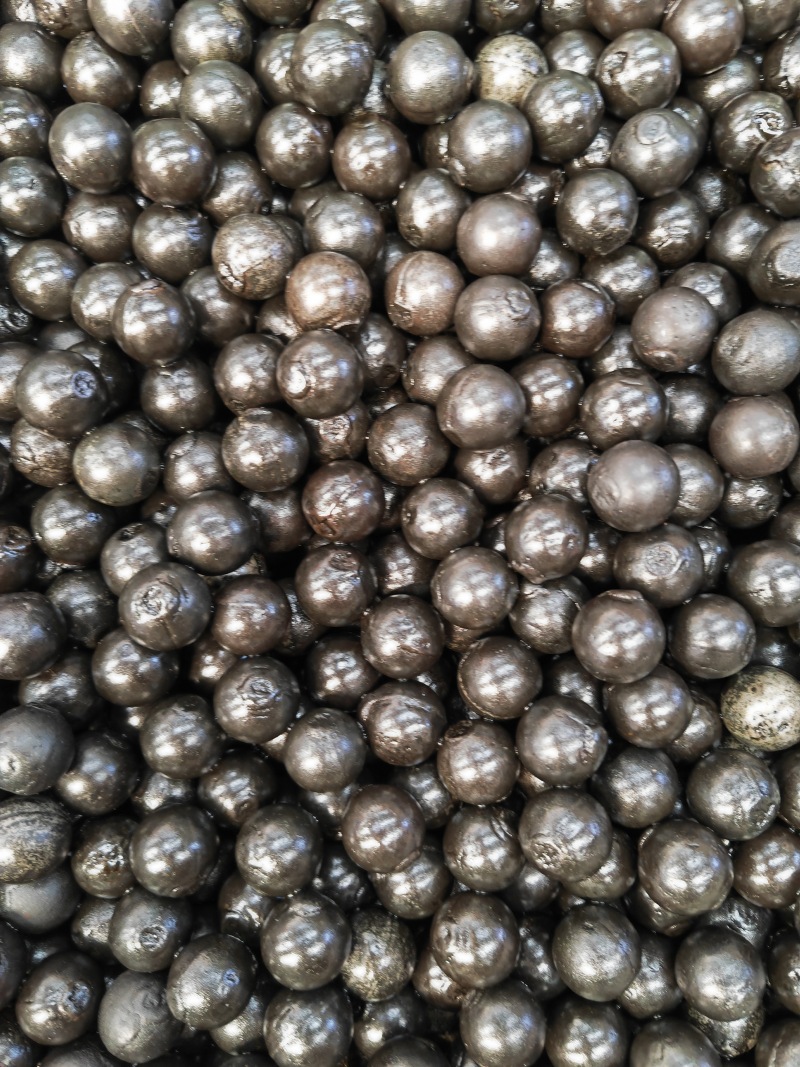
Grinding media manufacturer comparison by cost per ton
This article examines grinding media manufacturer comparison through the lens of cost per ton rather than unit price. It explains that total grinding economics include media consumption, breakage rate, mill throughput, grinding fineness, downtime, handling, and supply consistency. Shandong Allstar Grinding Ball Co., Ltd., or ALLSTAR grinding balls, is presented as a reference manufacturer with production since 1985, 15,000 square metres of facilities, 150 employees, and 100,000 metric tons of annual capacity. Its range covers forged grinding balls, cast grinding balls, high chrome grinding balls, and grinding rods for mining, cement, and power generation. Operating examples support the comparison. At Pinto Valley Mine, ALLSTAR media reportedly achieved 0.56 to 0.59 kg per tonne consumption and 0.2 percent breakage, compared with 0.68 kg per tonne and nearly 3 percent breakage from another supplier. The trial also cited higher throughput and fineness. At Turkey YD Madencilik, combined ball consumption fell from 84.80 g/t in 2016 to 31.93 g/t in 2018 and 25.66 g/t in 2025. The article concludes that buyers should compare total cost per tonne ground, supported by quality systems, product selection, and long-term supplier reliability.
Grinding media is often treated as a routine consumable, yet its true influence on a mining, cement, or power generation operation is far greater than the purchase order suggests. A lower price per tonne of grinding balls may look attractive at the procurement stage, but the more meaningful measure is cost per tonne of material ground. That measure combines media consumption, breakage rate, mill throughput, grinding efficiency, downtime, handling, and quality consistency. When buyers compare grinding media manufacturers by cost per ton, they are not simply comparing catalog prices. They are comparing the long-term operating performance that each supplier can support.
Shandong Allstar Grinding Ball Co., Ltd., known as ALLSTAR grinding balls, offers a useful reference point for this comparison. Established in 1985 and privately operated since 1999, the company has retained rigorous management standards and strict quality control practices. ALLSTAR manufactures forged grinding balls, cast grinding balls, high chrome grinding balls, and grinding rods for the mining, cement, and power generation industries. Its production facilities cover 15,000 square metres, employ 150 people, and support an annual grinding media capacity of 100,000 metric tons. This scale allows the manufacturer to serve different markets and project sizes while maintaining a consistent supply position.
undefined
Why Cost per Ton Matters More Than Price per Tonne
In grinding media procurement, the lowest quoted price is rarely the lowest total cost. A ball that wears faster, breaks more often, or disrupts mill operation can increase cost per ton through higher consumption, more frequent charging, greater downtime, and unstable grinding performance. By contrast, a more consistent product may reduce the number of tonnes required, improve mill output, and lower the total media cost per tonne of ore or clinker processed. The comparison therefore needs to include consumption in kilograms per tonne, breakage rate, mill throughput, grinding fineness, and the supplier's ability to maintain quality across shipments.
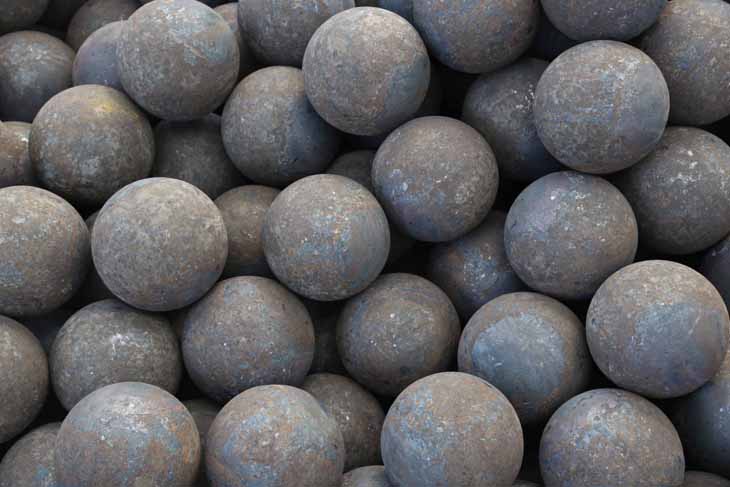
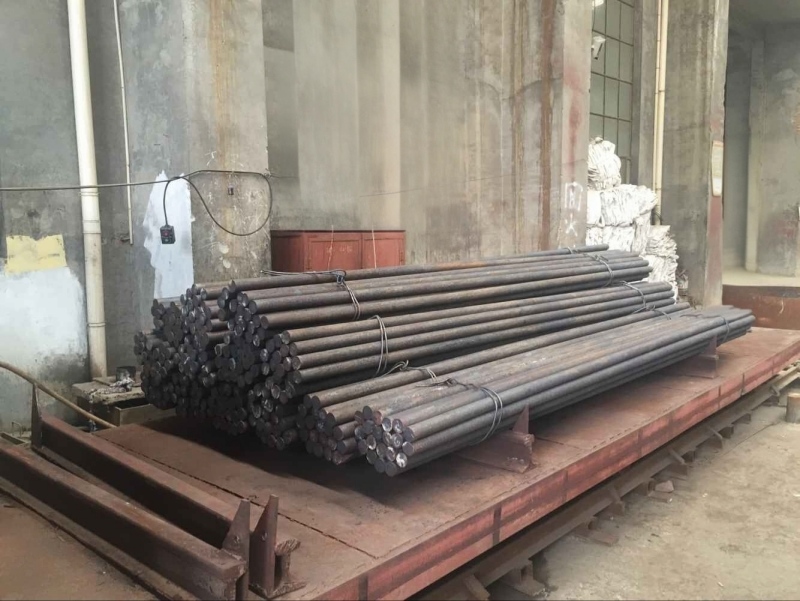
ALLSTAR positions its value around this broader view. Its product range includes forged grinding balls from 20 mm to 150 mm, cast grinding balls from 6 mm to 150 mm, and grinding rods from 25 mm to 140 mm in diameter with lengths from 1,500 mm to 6,000 mm. Different grinding media are selected according to mill type, material characteristics, and operating conditions. Larger media are generally used in the first chamber for coarse grinding, while smaller media are used in the second chamber for fine grinding. High chrome cast balls are widely used in cement plants and power stations, while forged balls are commonly selected for wet grinding in mining and cast balls for dry grinding operations.
Real-World Evidence from Mining
A manufacturer comparison becomes more credible when it is supported by operating data. At Pinto Valley Mine in the USA, ALLSTAR high chrome grinding balls were tested against another manufacturer's products in a trial lasting nearly six months. One ball mill used ALLSTAR media and the other used the competitor's media. ALLSTAR grinding ball consumption remained stable at 0.56 to 0.59 kg per tonne of run-of-mine ore, with a breakage rate of only 0.2 percent. The other supplier's consumption reached 0.68 kg per tonne, with a breakage rate close to 3 percent. The mill using the competitor's products also recorded more than 70 tonnes per hour lower output and over 5 percentage points lower grinding fineness.
These differences directly affect cost per ton. Higher consumption means more tonnes of media purchased and handled. Higher breakage can disturb mill charge, reduce grinding efficiency, and increase maintenance attention. Lower throughput and fineness can reduce the amount of processed material and affect downstream recovery or product quality. After the trial, the customer replaced the grinding balls in the second mill with ALLSTAR products. Daily processing capacity then reached 53,000 tonnes, exceeding the designed capacity of 50,000 tonnes by 3,000 tonnes. The mine has purchased and used more than 48,000 tonnes of ALLSTAR grinding media, which demonstrates long-term confidence in the supplier's performance.
Cement Industry Results and Sustained Savings
The cement industry offers another example of how media quality influences cost per ton over time. At Turkey YD Madencilik, which operates a combined roller press and ball mill grinding system, grinding media consumption had historically been high because of difficult-to-grind materials such as slag and coarse fly ash. After both mills replaced their grinding balls with ALLSTAR products in 2016, consumption fell significantly. Combined grinding ball consumption dropped from 84.80 grams per tonne in 2016 to 31.93 grams per tonne in 2018. More importantly, the reduction was sustained. By 2025, consumption reached just 25.66 grams per tonne, approximately 69.7 percent lower than the 2016 baseline.
This kind of result illustrates why third-party buyers should compare manufacturers on total grinding cost rather than unit price alone. A supplier with strong raw material control, stable heat treatment, and consistent casting or forging processes can reduce media consumption and breakage. That reduction may continue for years, creating a compounding effect on cost per ton. ALLSTAR reports that quality control begins with raw materials. Round steel bars for forged balls and rods are sourced from large state-owned steel mills in China and sampled for chemical composition upon arrival. For cast balls, ferrochrome and iron scrap are proportioned and melted according to product grade, with chemical analysis after melting. Forged products are made through air hammer forging and hot rolling, while cast products use coated-sand shell molding and automated production lines.
Selection, Quality Assurance, and Supplier Reliability
Cost per ton also depends on correct media selection. Different mills, ores, and operating conditions require different grinding media. Proper selection helps customers improve grinding performance, maintain stable mill operation, manage media consumption, and control overall grinding costs. ALLSTAR works with mining companies, mineral processing plants, cement manufacturers, power plants, and industrial distributors to understand requirements and recommend suitable solutions. Inspection is carried out throughout manufacturing. Samples are taken from each production batch, and finished products are tested after heat treatment to verify quality and performance specifications.
Supplier credentials matter as well. ALLSTAR maintains an ISO 9001 Quality Management System and supports product quality verification through professional testing and third-party inspection services, including SGS, BV, and TÜV. It has also been recognized as a High and New Technology Enterprise and as a Specialized, Sophisticated, Distinctive and Innovative Enterprise. These qualifications do not replace operating data, but they support the case that the manufacturer has established systems for consistency and continuous improvement.
Conclusion
When comparing grinding media manufacturers by cost per ton, buyers should look beyond the quoted price of a tonne of balls. The stronger comparison examines consumption per tonne of ore or clinker, breakage rate, mill throughput, grinding fineness, downtime, and long-term supply consistency. ALLSTAR's trial results in mining and cement demonstrate how media performance can affect total grinding economics. The company's history since 1985, 100,000 metric ton annual capacity, broad product range, and quality control practices give it a credible position in that comparison. For industrial buyers, the central lesson is clear: the most economical grinding media is not always the cheapest per tonne purchased. It is the media that delivers stable performance and lower total cost per tonne ground.