
Grinding rod factory questions about material traceability
Material traceability in a grinding rod factory is a practical quality control issue that connects raw steel, production batches, heat treatment, inspection, and final shipment. For buyers of grinding rods and other grinding media, the central question is whether a finished product can be linked back to a specific steel heat and forward to the shipment in which it was delivered. A credible factory should be able to provide steel mill certificates, heat numbers, incoming inspection records, batch codes, in-process inspection data, final inspection reports, and shipment records. It should also explain how remnants, partial bars, and mixed heats are controlled, and how quickly it can trace a finished rod back to its raw material. Shandong Allstar Grinding Ball Co., Ltd., known as ALLSTAR grinding balls, illustrates how these controls can operate within a manufacturing environment. Established in 1985 and privately operated since 1999, the company produces forged grinding balls, cast grinding balls, high chrome grinding balls, and grinding rods for mining, cement, and power generation industries. Its 15,000 square metre facilities, 150 employees, and 100,000 metric ton annual capacity require traceability systems that work across real production volumes. ALLSTAR sources round steel bars from large state-owned steel mills in China and samples incoming materials for chemical composition. For cast products, raw materials such as ferrochrome and iron scrap are proportioned and melted according to grade, with chemical analysis after melting. Production inspection is carried out throughout manufacturing, and finished products are tested after heat treatment. The company maintains an ISO 9001 Quality Management System and supports verification through SGS, BV, and TÜV. It has also been recognized as a High and New Technology Enterprise and as a Specialized, Sophisticated, Distinctive and Innovative Enterprise. Buyers should ask how nonconforming batches are quarantined, how complaints are investigated, and how recall readiness is maintained. They should also ask whether the factory can trace in both directions: from a finished rod back to the steel heat, and from a steel heat forward to affected shipments. Traceability becomes more convincing when linked to performance data, such as controlled trials and long-term consumption results. Ultimately, material traceability supports lower uncertainty, fewer breakages, stable mill operation, and stronger long-term partnerships between grinding media suppliers and industrial customers.
For industrial buyers, a grinding rod is not a generic steel bar. It is a wear part that influences rod mill throughput, energy use, breakage risk, and maintenance planning. Material traceability is therefore a practical quality question, not a paperwork exercise. At a grinding rod factory such as Shandong Allstar Grinding Ball Co., Ltd., known as ALLSTAR grinding balls, traceability connects the steel heat, production batch, heat treatment record, inspection result, and final shipment. The company was established in 1985, became privately operated in 1999, and has maintained rigorous management and quality control practices. Its production facilities cover 15,000 square metres, employ 150 people, and support an annual grinding media capacity of 100,000 metric tons. This scale matters because traceability must work across real production volumes, not only in a laboratory sample.
Why Traceability Matters for Grinding Rods
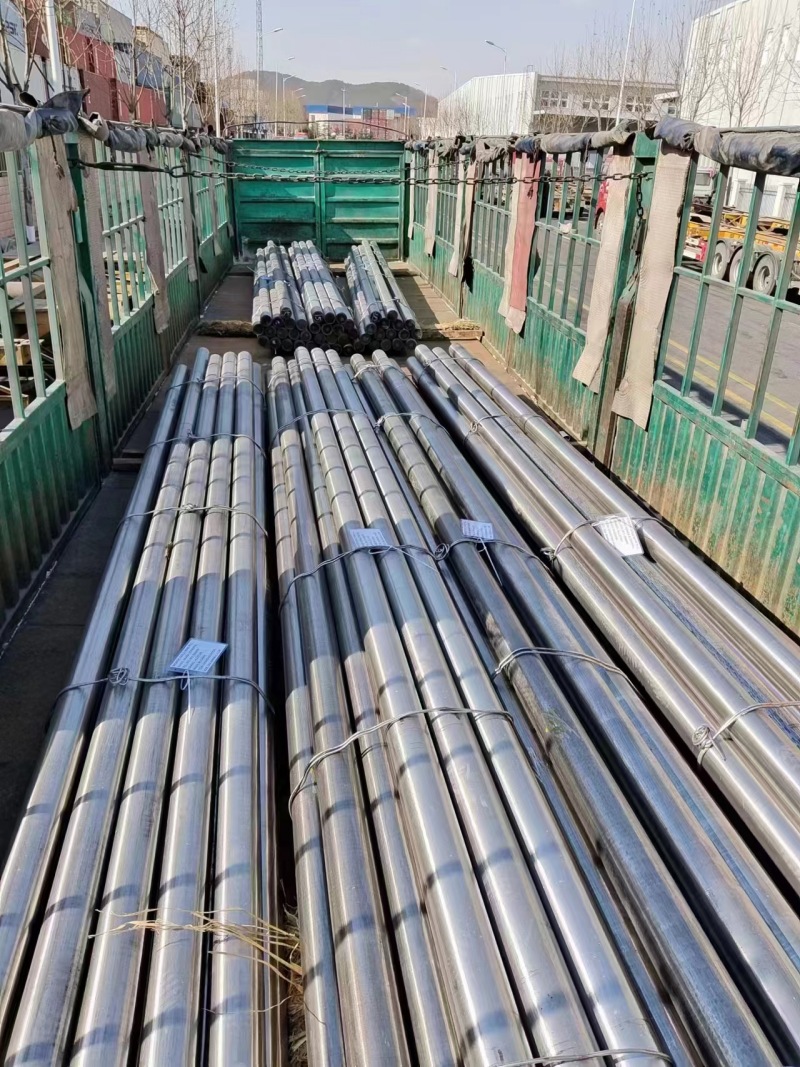
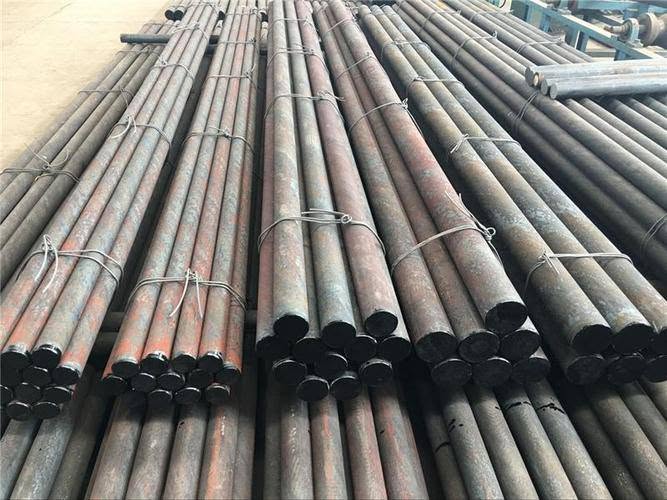
Grinding rods are mainly used in rod mills for mineral processing. ALLSTAR supplies rods in diameters from 25 mm to 140 mm and lengths from 1,500 mm to 6,000 mm. A rod that bends, breaks, or wears unevenly can disturb the grinding charge, reduce mill stability, and increase operating cost. When a problem appears, the factory and the customer need to know which steel heat was used, which production batch was involved, how the rod was processed, and what inspection data existed at release. Without that chain, root-cause analysis becomes guesswork. With it, a factory can isolate the issue, verify whether other batches are affected, and take corrective action quickly.
The First Question: Where Does the Steel Come From?
A serious traceability review begins before production. ALLSTAR sources the round steel bars used for forged grinding balls and grinding rods from large state-owned steel mills in China. Upon arrival, incoming materials are sampled and tested for chemical composition to verify their quality. Buyers should ask for the steel grade, mill certificate, heat number, supplier approval record, and incoming inspection result. They should also ask how nonconforming steel is segregated. A factory that can show a clear link between the steel mill certificate and the internal receiving record is better prepared to answer later questions about a finished rod.
From Heat Number to Finished Rod
The next question is how identity is maintained during cutting, heating, rolling or forging, heat treatment, straightening, inspection, and storage. A robust system assigns a unique batch or lot code to each production run and records the raw material heat numbers used for that run. The code should follow the product through processing and appear on inspection records and shipping documents. Buyers should ask whether remnants and partial bars are clearly identified, whether mixed heats are prevented, and whether the factory can trace a finished rod back to a specific steel heat within a reasonable time. For a grinding rod factory, this discipline is as important as hardness testing.
undefined
What Is Tested, and When?
Traceability is only useful when it is linked to test data. At ALLSTAR, quality inspection is carried out throughout the manufacturing process. Samples are taken from each production batch for inspection. After heat treatment, finished products undergo further testing to check whether they meet the required quality and performance specifications. Depending on the product and order, buyers may request chemical composition, hardness, dimensions, straightness, surface condition, and other agreed checks. The factory maintains an ISO 9001 Quality Management System and supports product quality verification through professional testing and third-party inspection services, including SGS, BV, and TÜV. These records should be retrievable by batch, not stored as unrelated files.
Documentation Buyers Should Expect
A buyer does not need every internal record, but the factory should be able to provide a clear traceability package. This usually includes the material certificate, incoming inspection record, batch identification, in-process inspection data, final inspection report, and shipment record. For cast products, the traceability chain also covers raw materials such as ferrochrome and iron scrap, which are proportioned and melted according to the required product grade. Chemical composition is analyzed after melting to confirm that the molten metal meets the specification. For forged products, ALLSTAR operates both air hammer forged and hot-rolling production processes. For cast products, the company uses an advanced coated-sand shell molding process and automated production lines to support consistent manufacturing quality. Each process has its own checkpoints, and the traceability system should reflect them.
Nonconformance, Complaints, and Recall Readiness
The real test of traceability comes when something goes wrong. Buyers should ask how the factory handles a nonconforming batch, how it quarantines affected material, how it identifies other shipments from the same heat or batch, and how it informs customers. A good answer includes a defined corrective and preventive action process, clear responsibility, and records that show the issue was closed. For grinding media, recall readiness is not only about product safety; it is about protecting the customer from unexpected mill downtime and protecting the factory from repeating the same problem. ALLSTAR's long-term business philosophy emphasizes reliable products and responsible business relationships, and traceability is one way to make that philosophy operational.
Audit and Third-Party Verification
Traceability should survive an audit. ALLSTAR maintains ISO 9001 certification and has been recognized as a High and New Technology Enterprise and as a Specialized, Sophisticated, Distinctive and Innovative Enterprise. These recognitions do not replace a customer audit, but they indicate that the company has formal systems for quality management, research and development, and manufacturing control. Buyers can also request third-party inspection through SGS, BV, or TÜV. During an audit, the most useful questions are simple: can the factory select a finished rod and show its full history, and can it select a steel heat and show where that material went? If both directions work, the traceability system is credible.
Traceability Across the Product Range
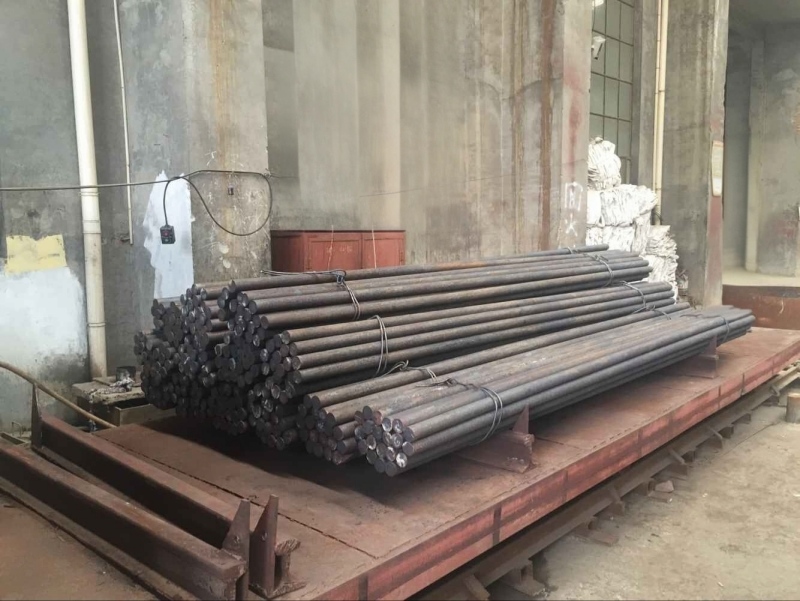
ALLSTAR specializes in manufacturing grinding media for SAG mills, ball mills, and rod mills, serving the mining, cement, and power generation industries. The product range includes forged grinding balls from 20 mm to 150 mm, cast grinding balls from 6 mm to 150 mm, high chrome grinding balls, and grinding rods. Different products have different traceability risks. Forged balls and rods depend heavily on steel bar quality and process control. Cast balls depend on raw material proportioning, melting, and molding control. High chrome cast grinding balls are widely used in cement plants and power stations, where consistent quality affects grinding efficiency. Grinding rods are mainly used in rod mills for mineral processing. In mining applications, forged grinding balls are commonly selected for wet grinding, while cast grinding balls are often used in dry grinding operations. The final selection should always consider the actual operating conditions.
Performance Data and Traceability
Traceability becomes more convincing when it is connected to performance. In a comparative trial at Pinto Valley Mine in the USA, ALLSTAR high-chrome grinding balls were used in one ball mill while another manufacturer's products were used in the other. Over nearly six months, ALLSTAR consumption remained stable at 0.56 to 0.59 kg per tonne of run-of-mine ore, with a breakage rate of only 0.2 percent. The other supplier's consumption reached 0.68 kg per tonne, with a breakage rate close to 3 percent. The mill using the competitor's products also recorded more than 70 tonnes per hour lower output and over 5 percentage points lower grinding fineness. Such results do not replace batch records, but they show why buyers value a factory that can connect material, process, inspection, and field performance.
Practical Questions for a Grinding Rod Factory
- Can the factory provide the steel mill certificate and heat number for each rod batch?
- How are incoming steel bars sampled and tested for chemical composition?
- What unique batch code follows the product from raw material to shipment?
- How are remnants, partial bars, and mixed heats controlled?
- Which inspections are performed during production and after heat treatment?
- How quickly can the factory trace a finished rod back to its steel heat?
- How are nonconforming batches quarantined and communicated to customers?
- Are ISO 9001 records and third-party inspection reports available on request?
These questions help buyers compare factories on substance rather than slogans. A supplier may claim strict quality control, but traceability shows whether that claim is supported by records, batch control, and corrective action. For a grinding rod factory, the goal is to reduce uncertainty for the customer. When a rod mill operates with stable media, the benefit appears in lower consumption, fewer breakages, steadier throughput, and better cost control.
A Partnership Built on Evidence
ALLSTAR's business philosophy is to manufacture high-quality products, be a reliable supplier, and build long-term and sustainable partnerships. Rather than focusing solely on individual transactions, the company is committed to creating long-term value through reliable products and responsible business relationships. Material traceability supports that commitment. It gives the customer a clear answer to a basic question: what is in this grinding rod, how was it made, and what evidence supports its release? For mining companies, cement plants, power stations, and industrial distributors, that answer is part of the product. A factory that can answer it clearly is better positioned to earn trust, solve problems, and maintain consistent supply over time.
In summary, material traceability in a grinding rod factory should be judged by the strength of the chain from steel heat to finished product, the availability of test records, the control of nonconformance, and the factory's ability to support audits and third-party verification. ALLSTAR grinding balls combines decades of manufacturing experience, a broad grinding media range, and formal quality systems to address these questions in practical terms.


