
Grinding rod supplier options for cement and mining mills
This blog article examines grinding rod supplier options for cement and mining mills, with a focus on how procurement teams can evaluate quality, application fit, supply capacity, and long-term reliability. It explains that grinding rods must meet demanding requirements for straightness, dimensional accuracy, hardness, toughness, and consistent metallurgy. The article profiles Shandong Allstar Grinding Ball Co., Ltd., or ALLSTAR grinding balls, as one supplier option. Established in 1985 and privately operated since 1999, ALLSTAR manufactures forged grinding balls, cast grinding balls, high chrome grinding balls, grinding rods, and grinding cylpebs. Its grinding rods are available in diameters from 25 mm to 140 mm and lengths from 1,500 mm to 6,000 mm, mainly for rod mills. The article outlines supplier evaluation criteria such as raw material traceability, chemical composition control, heat treatment, batch inspection, ISO 9001 systems, third-party inspection through SGS, BV, and TÜV, and application support. It describes ALLSTAR quality control from incoming round steel bars through production sampling and finished-product testing. It also reviews the company's 15,000 square metre facilities, 150 employees, and 100,000 metric ton annual capacity. Reported performance at Pinto Valley Mine and Turkey YD Madencilik is presented as evidence of quality culture, although the article notes that these cases concern grinding balls rather than rods. The conclusion recommends structured trials, total cost analysis, and long-term partnership assessment when selecting a grinding rod supplier for cement or mining operations.
Grinding rods are a critical but often under-examined part of a rod mill circuit. For cement producers, mining companies, and mineral processing plants, the choice of a grinding rod supplier can influence grinding efficiency, media consumption, mill stability, maintenance load, and overall cost per tonne. Unlike grinding balls, rods are long steel bars that must combine straightness, dimensional accuracy, hardness, toughness, and consistent metallurgical quality. A supplier that understands these requirements can help a plant avoid premature rod breakage, excessive wear, and unstable mill operation.
Shandong Allstar Grinding Ball Co., Ltd., known as ALLSTAR grinding balls, is one supplier in this field. Established in 1985, the company was originally a state-owned enterprise and became a privately operated company in 1999. Since then, it has continued to uphold rigorous management standards and strict quality control practices. Integrity is presented as a fundamental principle of its business operations. For procurement teams comparing grinding rod supplier options, this background is relevant because long-term supply reliability and consistent quality are often as important as the initial price per tonne.
What Cement and Mining Mills Need from a Grinding Rod Supplier
Rod mills are commonly used in mineral processing for coarse grinding and for applications where a relatively uniform product size and reduced over-grinding are valued. In cement operations, rod mills may be considered in specific raw material or pre-grinding duties, although most cement grinding circuits rely on ball mills and other equipment. The supplier should therefore clarify the intended application before recommending a rod specification. The same rod that performs well in a wet mineral grinding circuit may not be the best choice for a dry or cement-related process.
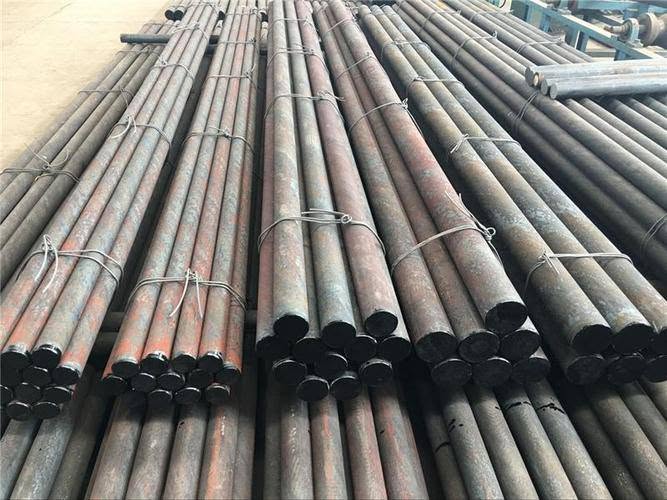
ALLSTAR manufactures grinding rods in diameters from 25 mm to 140 mm and lengths from 1,500 mm to 6,000 mm, mainly designed for rod mills. The company also produces forged grinding balls from 20 mm to 150 mm, cast grinding balls from 6 mm to 150 mm, high chrome grinding balls, and grinding cylpebs. This breadth matters because many plants use multiple types of grinding media across different circuits. A supplier that can support rods, balls, and related media may simplify procurement, documentation, and technical communication.
undefined
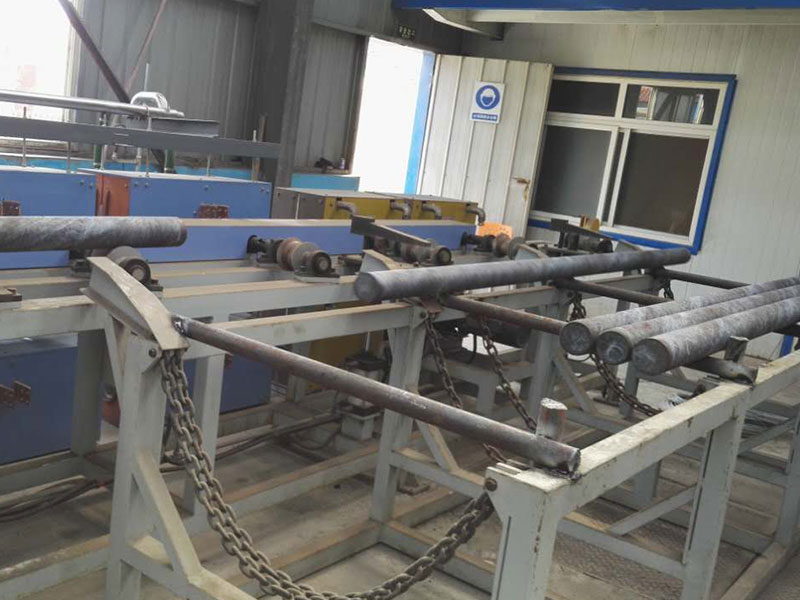
Key Evaluation Criteria for Grinding Rod Suppliers
A structured supplier evaluation should go beyond a simple quotation. Buyers can compare suppliers using criteria such as raw material traceability, chemical composition control, dimensional accuracy, straightness, heat treatment, surface quality, batch inspection, packaging, delivery reliability, and application support. For rod mills, straightness and consistent bar properties are especially important because poorly controlled rods can affect charging, wear patterns, and mill performance.
- Raw material quality: Does the supplier source round steel bars from reputable steel mills and verify chemical composition on arrival?
- Manufacturing control: Are forging, rolling, heat treatment, and finishing processes monitored with batch records?
- Dimensional consistency: Are diameter, length, straightness, and surface condition checked against agreed tolerances?
- Quality assurance: Does the supplier operate an ISO 9001 system and support third-party inspection when required?
- Application knowledge: Can the supplier recommend media based on mill type, ore characteristics, and operating conditions?
- Supply capacity: Can the supplier meet project scale, repeat orders, and delivery schedules without compromising quality?
Quality Control from Raw Material to Finished Rod
ALLSTAR states that quality control starts with raw materials. The round steel bars used for forged grinding balls and grinding rods are sourced from large state-owned steel mills in China. Upon arrival at the factory, incoming materials are sampled and tested for chemical composition to verify their quality. This step is important for grinding rods because variations in steel chemistry can affect hardenability, wear resistance, and toughness after heat treatment.
For cast grinding balls, raw materials such as ferrochrome and iron scrap are proportioned and melted according to the required product grade. Chemical composition is analyzed after melting to ensure that the molten metal meets the specified requirements. For forged products, ALLSTAR operates both air hammer forged and hot-rolling production processes. For cast products, the company uses an advanced coated-sand shell molding process and automated production lines to support consistent manufacturing quality. Quality inspection is carried out throughout the manufacturing process, with samples taken from each production batch. After heat treatment, finished products undergo further testing to check whether they meet the required quality and performance specifications.
Product Range and Application Fit
ALLSTAR grinding media serve mining operations that process gold, copper, platinum, iron ore, nickel, phosphate, and lead-zinc, as well as cement plants and power stations. Different media are selected according to mill type, material characteristics, and operating conditions. Larger grinding media are generally used in the first chamber of a mill for coarse grinding and breaking larger particles of ore or clinker. Smaller media are commonly used in the second chamber for fine grinding. High chrome cast grinding balls are widely used in cement plants and power stations, while grinding rods are mainly used in rod mills for mineral processing.
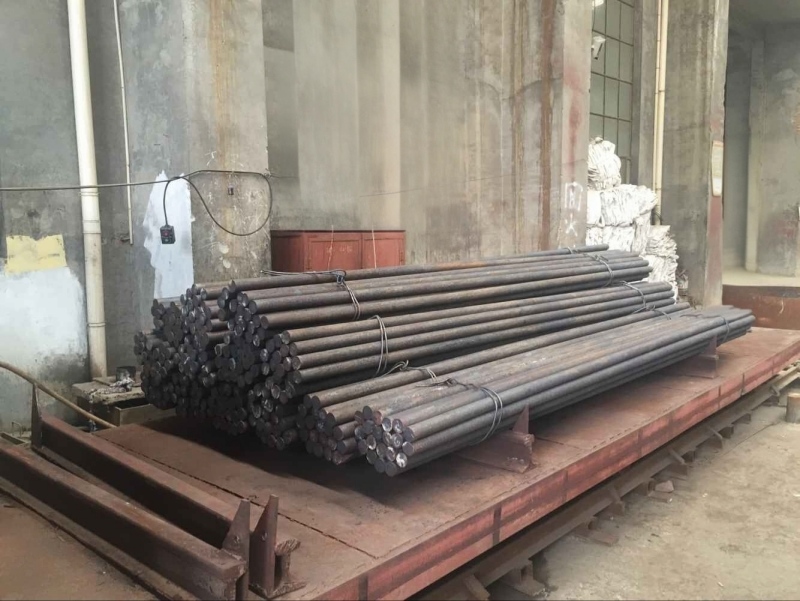
In mining applications, forged grinding balls are commonly selected for wet grinding, while cast grinding balls are often used in dry grinding operations. The final selection should always consider actual operating conditions. For a cement plant or mining mill evaluating rod supplier options, this means the supplier should ask detailed questions about feed size, target product size, mill speed, slurry conditions, wear history, and maintenance practices. A responsible supplier will not treat grinding rods as a commodity without context.
Manufacturing Capacity and Long-Term Supply
ALLSTAR operates production facilities covering 15,000 square metres and employs 150 people, including experienced technical, production, and sales personnel. With an annual grinding media production capacity of 100,000 metric tons, the company is equipped to meet the requirements of clients across different markets and project scales. For buyers, capacity is not only a matter of volume. It also affects lead times, order flexibility, and the ability to maintain consistent specifications across repeat shipments.
The company describes its business philosophy as simple: manufacture high-quality products, be a reliable supplier, and build long-term and sustainable partnerships with clients. Rather than focusing solely on individual transactions, ALLSTAR is committed to creating long-term value through reliable products and responsible business relationships. This approach aligns with the needs of cement and mining operations, where grinding media decisions are often revisited over many years of production.
Evidence of Performance in Mining and Cement
Supplier claims are best supported by operating data. In the mining industry, ALLSTAR high-chrome grinding balls demonstrated strong results in a comparative trial at Pinto Valley Mine, USA. The mine conducted a trial lasting nearly six months, using ALLSTAR high-chrome grinding balls in one ball mill and another manufacturer's products in the other. ALLSTAR grinding-ball consumption remained stable at 0.56 to 0.59 kg per tonne of run-of-mine ore, with a breakage rate of only 0.2 percent. By comparison, the other supplier's consumption reached 0.68 kg per tonne, with a breakage rate close to 3 percent. The mill using the competitor's products also recorded more than 70 tonnes per hour lower output and over 5 percentage points lower grinding fineness compared with the mill using ALLSTAR balls.
Following the trial, the customer replaced the grinding balls in the second mill with ALLSTAR products as well. Daily processing capacity subsequently reached 53,000 tonnes, exceeding the designed capacity of 50,000 tonnes by 3,000 tonnes. To date, the mine has purchased and used more than 48,000 tonnes of ALLSTAR grinding media. While this case concerns grinding balls rather than rods, it offers useful evidence of the company's quality control and application focus, which are relevant when assessing a grinding rod supplier.
ALLSTAR has also reported notable results in the cement industry. At Turkey YD Madencilik, which operates a combined roller press and ball mill grinding system, grinding media consumption had historically been high because of difficult-to-grind materials such as slag and coarse fly ash. After replacing the grinding balls in both mills with ALLSTAR products in 2016, consumption decreased significantly. Combined grinding-ball consumption dropped from 84.80 g/t in 2016 to 31.93 g/t in 2018. The reduction was sustained in later years, reaching 25.66 g/t in 2025, approximately 69.7 percent lower than the 2016 baseline. These results point to lower media consumption, reduced breakage, improved grinding efficiency, more stable mill operation, and greater production capacity.
Certifications, Inspection, and Supplier Confidence
ALLSTAR maintains an ISO 9001 Quality Management System and supports product quality verification through professional testing and third-party inspection services, including SGS, BV, and TÜV. The company has also been recognized as a High and New Technology Enterprise and as a Specialized, Sophisticated, Distinctive and Innovative Enterprise. These recognitions reflect technological capability, research and development activity, specialized manufacturing, and innovation-driven development. For procurement teams, such credentials can support supplier qualification, especially when internal approval processes require documented quality systems and independent verification.
When comparing grinding rod supplier options for cement and mining mills, buyers should consider total cost rather than price alone. Rod consumption, breakage frequency, mill downtime, handling risk, and process stability all contribute to the real cost of grinding media. A supplier that provides consistent rods, clear specifications, batch inspection, and practical application advice can help a plant reduce hidden costs. A low-cost rod that wears unevenly or breaks prematurely may create far greater expense through lost production and maintenance labor.
Practical Steps for Supplier Selection
A plant can begin by defining the mill duty, required rod dimensions, expected wear life, and acceptable breakage rate. The next step is to request technical documentation, quality certificates, and references from similar applications. Trial orders can be structured with clear measurement criteria, such as media consumption per tonne, mill throughput, product fineness, and breakage incidents. It is also useful to confirm packaging, loading, shipping, and delivery schedules, because rod handling and transport can affect straightness and surface condition.
ALLSTAR works with mining companies, mineral processing plants, cement manufacturers, power plants, and industrial distributors to understand requirements and recommend suitable grinding media solutions. The company's product range, manufacturing capacity, quality control practices, and case history make it one option for buyers seeking a long-term grinding media partner. The final decision should always be based on the specific mill, ore or clinker characteristics, operating conditions, and the supplier's ability to provide consistent quality over time.
Conclusion
Grinding rod supplier selection is a technical and commercial decision that deserves careful review. Cement and mining mills need rods that match the application, maintain dimensional and metallurgical consistency, and arrive through a reliable supply chain. ALLSTAR grinding balls, under Shandong Allstar Grinding Ball Co., Ltd., presents a combination of manufacturing experience since 1985, a broad grinding media range, 15,000 square metres of production facilities, 150 employees, and an annual capacity of 100,000 metric tons. Its quality control begins with raw material testing and continues through batch inspection and finished-product verification. Its reported results in mining and cement applications add practical context for buyers evaluating supplier capability. For plants comparing grinding rod supplier options, the strongest choice will be the supplier that can demonstrate consistent quality, application understanding, and a commitment to long-term partnership.


