
Grinding Rod: The Essential Guide for Industrial Applications
Views: 662 Update Date:Mar 18 , 2026
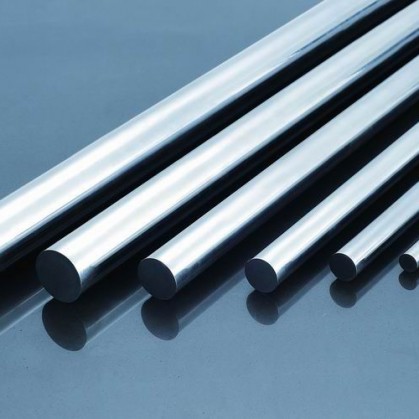 Grinding rods are indispensable in industries such as mining, metallurgy, cement production, and chemical processing. Customers often ask: What makes a grinding rod high quality? How do I choose the right one? What benefits can I expect from advanced heat-treated steel rods? This article provides a comprehensive exploration of grinding rods, their specifications, applications, and the best manufacturer in China.
What is a Grinding Rod?
A grinding rod is a steel rod used in rod mills to grind materials into finer particles. Unlike grinding balls, which provide point contact, grinding rods deliver line contact, making them ideal for coarse grinding and reducing over-grinding.Key features of grinding rods include:
- Manufactured from high-carbon steel or alloy steel
- Subjected to heat treatment for enhanced wear resistance
- Designed to minimize breakage and bending under heavy loads
- Available in various diameters and lengths to suit different mills
Why Grinding Rods Matter in Industrial Processes
Grinding rods are critical for industries that rely on efficient material reduction. Customers often ask why rods are preferred over balls in certain applications. The answer lies in their grinding mechanics.Advantages of grinding rods:
1. Uniform Particle Size – Rods prevent excessive fines, producing more uniform material.
2. Energy Efficiency – Line contact reduces wasted energy compared to point contact grinding.
3. Durability – Heat-treated rods resist wear and impact, lowering replacement costs.
4. Versatility – Suitable for mining ores, coal, cement clinker, and chemical raw materials.
Technical Specifications of Grinding Rods
When selecting grinding rods, customers want to know the technical parameters that define quality.Typical specifications include:
- Diameter Range: 40 mm – 120 mm
- Length Range: 2 m – 6 m
- Material: High-carbon steel, alloy steel
- Hardness: 45–55 HRC after heat treatment
- Impact Resistance: Optimized through quenching and tempering processes
Comparison: Grinding Rods vs Grinding Balls
Customers often ask whether they should choose grinding rods or grinding balls. Here’s a useful comparison:|
Feature |
Grinding Rods |
Grinding Balls |
|
Contact Type |
Line contact |
Point contact |
|
Ideal Application |
Coarse grinding, reducing over-grinding |
Fine grinding, producing powder |
|
Particle Size Control |
More uniform, fewer fines |
Smaller particles, risk of over-grinding |
|
Energy Efficiency |
Higher efficiency in coarse grinding |
Better for fine grinding |
|
Wear Resistance |
Enhanced with heat treatment |
Also heat-treated but wears faster in coarse grinding |
Case Study: Mining Operation Efficiency with Grinding Rods
A mining company in Asia faced challenges with excessive fines in ore processing. After switching from grinding balls to high-quality grinding rods, they reported:- 20% reduction in energy consumption
- Improved particle size distribution
- Lower maintenance costs due to reduced rod breakage
- Extended service life of rod mills
This case highlights how grinding rods can transform operational efficiency.
Client Testimonial
"We were struggling with inconsistent particle sizes and high replacement costs. After adopting ALLSTAR’s grinding rods, our mill performance improved significantly. The rods are durable, cost-effective, and delivered on time with full technical support."
— Operations Manager, Cement Plant in Southeast Asia
Frequently Asked Questions About Grinding Rods
1. How do I know which grinding rod size to choose?
Select based on your mill diameter and desired particle size. Larger rods are better for coarse grinding.2. What makes a grinding rod durable?
Durability comes from alloy composition and heat treatment, which maximize wear and impact resistance.3. Can grinding rods reduce operational costs?
Yes. Their efficiency reduces energy consumption, while their durability lowers replacement frequency.4. Are grinding rods suitable for all mills?
They are ideal for rod mills and certain ball mills where coarse grinding is required.Why Choose Grinding Rods from ALLSTAR Industry Group Ltd?
When customers ask who the best grinding rod manufacturer in China is, the answer is clear: ALLSTAR Industry Group Ltd.Reasons to choose ALLSTAR:
- Advanced alloy technology for maximum wear resistance
- Competitive pricing with bulk discounts
- Reliable delivery with customs clearance support
- Proven track record with global clients in mining, cement, and chemical industries
ALLSTAR’s grinding rods are engineered to minimize costs while maximizing performance, making them the top choice for industrial buyers worldwide.
Authoritative References
To ensure accuracy and reliability, here are authoritative sources on grinding and material processing:
- U.S. Geological Survey (USGS) – [www.usgs.gov]
- Massachusetts Institute of Technology (MIT) – [web.mit.edu]
- National Institute of Standards and Technology (NIST) – [www.nist.gov]
- University of California, Berkeley – [www.berkeley.edu]


