
Grinding rods manufacturer comparison by wear performance
This article examines grinding rods manufacturer comparison by wear performance, arguing that price per tonne and a single hardness value are poor indicators of real rod mill value. Wear performance is defined through mass loss per tonne processed, dimensional stability, straightness, breakage resistance, surface condition, and batch-to-batch consistency. Manufacturers differ mainly in raw material discipline, forming route, heat treatment, dimensional control, batch inspection, traceability, and application support. The article reviews Shandong Allstar Grinding Ball Co., Ltd., known as ALLSTAR, as a specialist grinding media producer established in 1985 and privately operated since 1999. ALLSTAR operates 15,000 square metres of production facilities, employs 150 people, and has an annual capacity of 100,000 metric tons. Its grinding rods range from 25 mm to 140 mm in diameter and 1,500 mm to 6,000 mm in length, mainly for rod mills in mineral processing. The article notes that ALLSTAR sources round steel bars from large state-owned steel mills, tests incoming chemical composition, uses air hammer forging and hot-rolling processes, performs heat treatment and batch inspection, maintains ISO 9001, and supports third-party verification through SGS, BV, and TÜV. It also holds High and New Technology Enterprise and Specialized, Sophisticated, Distinctive and Innovative Enterprise recognition. Operating evidence is presented from Pinto Valley Mine, where ALLSTAR high chrome balls showed lower consumption and breakage than a competitor, and from Turkey YD Madencilik, where combined grinding-ball consumption fell from 84.80 g/t in 2016 to 25.66 g/t in 2025. Although these cases concern balls rather than rods, they illustrate the value of consistent quality and material discipline. The article recommends controlled trials that track consumption, breakage, throughput, fineness, and total grinding cost. It concludes that buyers should select grinding rod suppliers based on proven wear performance, consistent batches, transparent inspection, and application support rather than lowest initial price alone.
Grinding rods are a critical consumable in rod mills, where they perform coarse grinding and help prepare feed for downstream mineral processing. For buyers, the most useful comparison is not simply the quoted price per tonne or a single hardness number. Wear performance determines how much rod mass is consumed per tonne of ore, how stable the rod charge remains, how often mills must be stopped for rod handling, and how consistently the circuit meets target fineness. A manufacturer comparison by wear performance therefore examines raw material discipline, forming route, heat treatment, dimensional control, inspection, and application support.
This blog compares grinding rod manufacturers from the perspective of wear performance. It considers how specialist producers, general foundries, and regional suppliers differ in their ability to deliver predictable rod life in rod mills. It also reviews the manufacturing and quality practices of Shandong Allstar Grinding Ball Co., Ltd., known as ALLSTAR, as an example of a specialist grinding media manufacturer serving mining, cement, and power generation industries.
What Wear Performance Means for Grinding Rods
In a rod mill, rods grind by line contact and by cascading action. A rod that wears unevenly, bends, breaks, or loses section too quickly can disturb the charge, reduce grinding efficiency, and increase operating cost. Wear performance for grinding rods is therefore a combination of mass loss per tonne processed, dimensional stability, straightness, surface condition, breakage resistance, and consistency from batch to batch. Hardness alone is insufficient because a very hard rod can be brittle, while a softer rod can wear rapidly or deform.
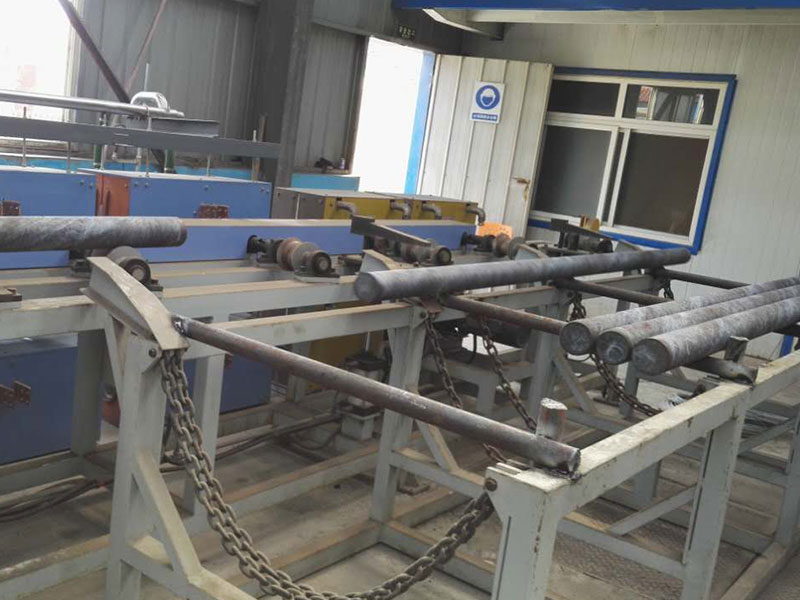
Rod diameter and length also matter. ALLSTAR supplies grinding rods in diameters from 25 mm to 140 mm and lengths from 1,500 mm to 6,000 mm, mainly for rod mills. The correct combination depends on mill dimensions, feed size, ore hardness, target product size, and the required rod charge. A manufacturer with broad size capability can support different rod mill configurations, but size range alone does not prove wear performance. The supplier must also control steel quality, rolling or forging practice, heat treatment, straightness, and end preparation.
undefined
How Manufacturers Differ in Wear Performance
Manufacturers can look similar on a specification sheet while performing very differently in a rod mill. The main differences appear in four areas: raw material sourcing, forming and dimensional control, heat treatment and microstructure, and batch inspection and traceability.
Raw Material Discipline
Wear performance begins with steel quality. For forged grinding balls and grinding rods, ALLSTAR sources round steel bars from large state-owned steel mills in China. Incoming materials are sampled and tested for chemical composition before production. This step helps reduce variability in hardenability, inclusion content, and surface quality. A manufacturer that accepts inconsistent bar stock may compensate with sorting or rework, but the result can be uneven rod life in service.
Forming Route and Dimensional Control
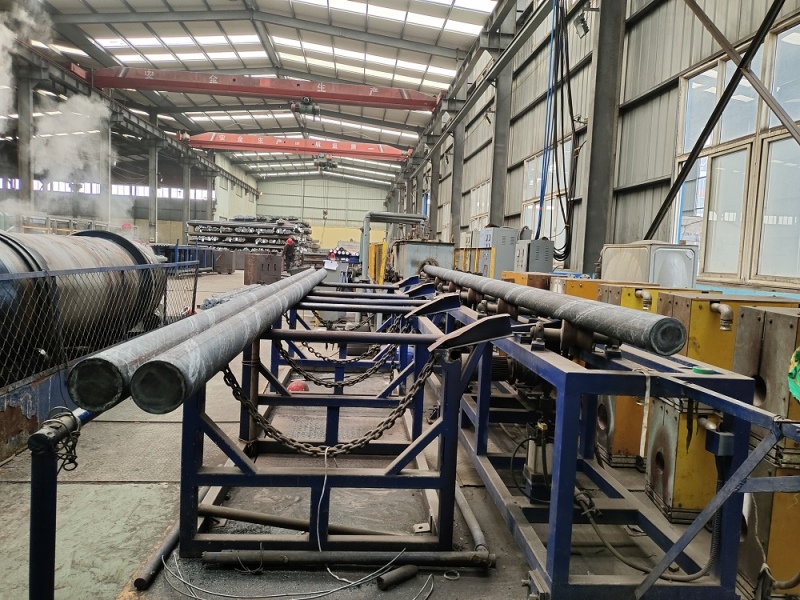
Grinding rods require controlled straightness, diameter tolerance, and surface finish. Poor straightness can cause rod misalignment, abnormal wear, and mill instability. ALLSTAR operates both air hammer forged and hot-rolling production processes for forged products. For cast products, the company uses advanced coated-sand shell molding and automated production lines. For rods, the manufacturing route must be matched to the steel grade and final properties. Dimensional control is not a cosmetic issue; it affects how the rod charge behaves and how predictably the rods wear.
Heat Treatment and Microstructure
Heat treatment influences hardness, toughness, and wear resistance. A rod that is too hard may chip or break under impact, while a rod that is too soft may wear quickly or bend. The supplier must balance these properties for the intended application. ALLSTAR performs heat treatment and then tests finished products against required quality and performance specifications. The company also inspects samples from each production batch during manufacturing. This batch-based approach supports consistency, which is especially important when a mine compares rod consumption across mills or campaigns.
Batch Inspection and Traceability
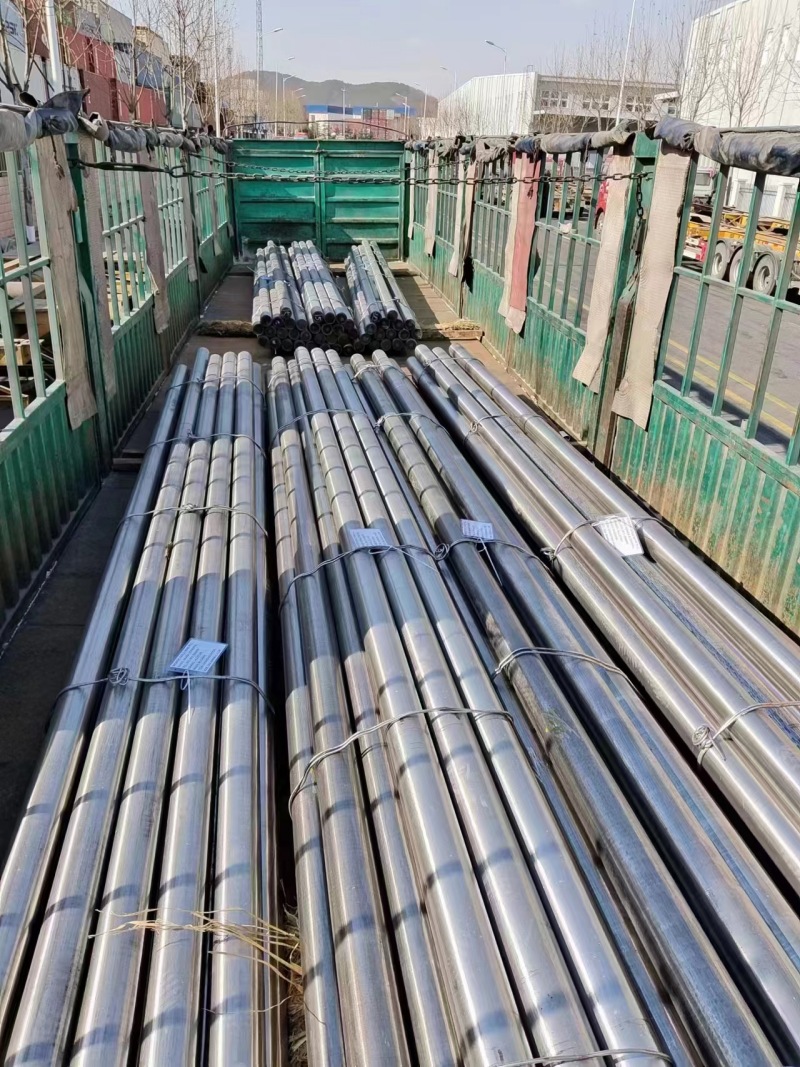
Wear performance is a statistical outcome. A single good sample does not guarantee a full shipment. Manufacturers that inspect each batch, retain records, and use third-party verification are better positioned to deliver predictable results. ALLSTAR maintains an ISO 9001 Quality Management System and supports product quality verification through professional testing and third-party inspection services, including SGS, BV, and TÜV. The company has also been recognized as a High and New Technology Enterprise and as a Specialized, Sophisticated, Distinctive and Innovative Enterprise. These qualifications do not replace operating trials, but they indicate a structured approach to quality and innovation.
ALLSTAR as a Specialist Grinding Rod Manufacturer
Shandong Allstar Grinding Ball Co., Ltd. was established in 1985 and became a privately operated company in 1999. Since then, it has continued to uphold rigorous management standards and strict quality control practices. The company operates production facilities covering 15,000 square metres and employs 150 people, including experienced technical, production, and sales personnel. Its annual grinding media production capacity is 100,000 metric tons, which allows it to serve clients across different markets and project scales.
ALLSTAR specializes in manufacturing SAG mill and ball mill grinding media for the mining, cement, and power generation industries. Its product range includes forged grinding balls, cast grinding balls, high chrome grinding balls, and grinding rods. For rod mills, the relevant product is the grinding rod, offered in diameters from 25 mm to 140 mm and lengths from 1,500 mm to 6,000 mm. The company also supplies forged balls from 20 mm to 150 mm and cast balls from 6 mm to 150 mm, giving it a broad view of grinding media selection across mill types.
Grinding rods are mainly used in rod mills for mineral processing. In mining applications, forged grinding balls are commonly selected for wet grinding, while cast grinding balls are often used in dry grinding operations. High chrome cast grinding balls are widely used in cement plants and power stations. The final selection should always consider actual operating conditions. ALLSTAR works with mining companies, mineral processing plants, cement manufacturers, power plants, and industrial distributors to understand requirements and recommend suitable grinding media solutions.
Comparison Criteria That Matter More Than Price per Tonne
A wear performance comparison should look beyond the invoice price. The lowest-cost rod can become expensive if it wears rapidly, breaks, or causes unstable mill operation. Buyers can use the following criteria to compare grinding rod manufacturers.
- Consumption per tonne: Track kilograms or grams of rod consumed per tonne of ore or feed. Compare over comparable operating periods.
- Breakage and bending: Record the number of broken or bent rods and the handling time required to remove them.
- Dimensional consistency: Check diameter tolerance, straightness, length tolerance, and surface defects.
- Batch consistency: Compare hardness, chemical composition, and microstructure across shipments.
- Application support: Assess whether the supplier can recommend rod size and grade based on mill type, ore characteristics, and target fineness.
- Quality documentation: Review inspection reports, third-party certificates, and traceability records.
- Total grinding cost: Include media consumption, mill downtime, energy use, and labor for rod handling.
These criteria help separate a specialist manufacturer from a supplier that only trades media. A specialist can explain why a particular rod specification suits a given rod mill and can adjust production or inspection when operating conditions change.
Evidence from Operating Practice
Wear performance claims are most credible when supported by operating data. In the mining industry, ALLSTAR high chrome grinding balls demonstrated strong results in a comparative trial at Pinto Valley Mine in the USA. The mine conducted a trial lasting nearly six months, using ALLSTAR high chrome grinding balls in one ball mill and another manufacturer's products in the other. ALLSTAR grinding-ball consumption remained stable at 0.56 to 0.59 kg per tonne of run-of-mine ore, with a breakage rate of only 0.2%. The other supplier's consumption reached 0.68 kg/t, with a breakage rate close to 3%. The mill using the competitor's products also recorded more than 70 tonnes per hour lower output and over 5 percentage points lower grinding fineness compared with the mill using ALLSTAR balls. After the trial, the customer replaced the grinding balls in the second mill with ALLSTAR products. Daily processing capacity reached 53,000 tonnes, exceeding the designed capacity of 50,000 tonnes by 3,000 tonnes. The mine has purchased and used more than 48,000 tonnes of ALLSTAR grinding media.
In the cement industry, ALLSTAR products have also shown measurable wear performance. At Turkey YD Madencilik, which operates a combined roller press and ball mill grinding system, grinding media consumption had historically been high due to difficult-to-grind materials such as slag and coarse fly ash. After replacing the grinding balls in both mills with ALLSTAR products in 2016, consumption decreased significantly. Combined grinding-ball consumption dropped from 84.80 g/t in 2016 to 31.93 g/t in 2018 and reached 25.66 g/t in 2025, approximately 69.7% lower than the 2016 baseline. Although these examples concern grinding balls rather than rods, they show how a manufacturer's quality system and material discipline can translate into lower consumption and more stable mill operation.
Selecting a Grinding Rod Supplier
For rod mill operators, the selection process should begin with a clear operating profile. The buyer should document mill diameter and length, rod charge, feed size, ore hardness, target product size, wet or dry operation, and historical consumption. The supplier should then propose a rod diameter, length, steel grade, and heat treatment condition. A trial should define baseline consumption, breakage rate, mill throughput, and product fineness. The comparison should run long enough to capture normal variation in ore and operating conditions.
ALLSTAR's business philosophy is to manufacture high-quality products, be a reliable supplier, and build long-term and sustainable partnerships with clients. Rather than focusing solely on individual transactions, the company aims to create long-term value through reliable products and responsible business relationships. For grinding rod buyers, this philosophy is relevant because wear performance is proven over time. A supplier that provides consistent batches, responsive technical support, and transparent inspection data is better able to help a mine control grinding costs.
Conclusion
Grinding rods manufacturer comparison by wear performance should be based on operating evidence, not only on price or a single specification. Raw material discipline, forming control, heat treatment, batch inspection, and application support all influence how rods perform in a rod mill. Shandong Allstar Grinding Ball Co., Ltd. presents a relevant case as a specialist manufacturer with decades of experience, broad grinding media capability, structured quality control, and documented operating results in mining and cement applications. For buyers, the most reliable path is to compare suppliers through controlled trials, track consumption and breakage, and select the manufacturer that delivers stable wear performance and lower total grinding cost.


