
How to audit a China grinding ball factory before ordering
A pre-order audit of a China grinding ball factory should begin with a clear technical specification covering mill type, ore or clinker, wet or dry grinding, media size, expected consumption, breakage limits, and acceptance tests. The buyer should then conduct a desk review of the legal entity, ownership history, production scope, export record, ISO 9001 system, and third-party inspection arrangements such as SGS, BV, and TÜV. Certifications and government recognitions can be useful signals, but they do not replace process verification. On site, the audit team should confirm actual production area, staffing, equipment, heat treatment capacity, laboratory capability, warehouse control, and order backlog. The auditor should trace the full flow from raw material to finished product. For forged balls and rods, incoming steel bars should be sampled for chemical composition. For cast balls, ferrochrome and iron scrap should be proportioned and melted by grade, with chemical analysis after melting. The audit should also examine forging, hot rolling, coated-sand shell molding, automated lines, batch sampling, heat treatment testing, hardness, impact toughness, dimensional tolerance, surface quality, and nonconformance handling. Performance claims should be supported by references. ALLSTAR grinding balls, for example, reports a Pinto Valley Mine trial where consumption was 0.56–0.59 kg per tonne with 0.2% breakage, compared with 0.68 kg per tonne and nearly 3% breakage from another supplier. The mine later reached 53,000 tonnes per day and used more than 48,000 tonnes of ALLSTAR media. In cement, Turkey YD Madencilik reduced consumption from 84.80 g/t in 2016 to 25.66 g/t in 2025, about 69.7% lower. Such evidence is valuable only when matched to the buyer's own operating conditions. A trial order should define duration, baseline, measurement method, breakage counting, and acceptance thresholds. Commercial review should cover payment, lead time, packing, documentation, claims handling, and total cost per tonne. The final decision should combine technical fit, verified process control, reference checks, trial results, and commercial reliability.
How to Audit a China Grinding Ball Factory Before Ordering
A grinding ball order can look simple on a quotation sheet, but the decision behind it is not simple. The buyer is not only purchasing a certain tonnage of forged or cast media. The buyer is selecting a supplier whose raw materials, heat treatment, dimensional control, breakage performance, delivery reliability, and claims handling will affect mill throughput and total grinding cost. A disciplined factory audit before ordering helps separate a capable manufacturer from a trading company with limited process control. The audit should be evidence-based, and it should compare documents, production records, test reports, and real operating references rather than relying on a single sample or a polished catalogue.
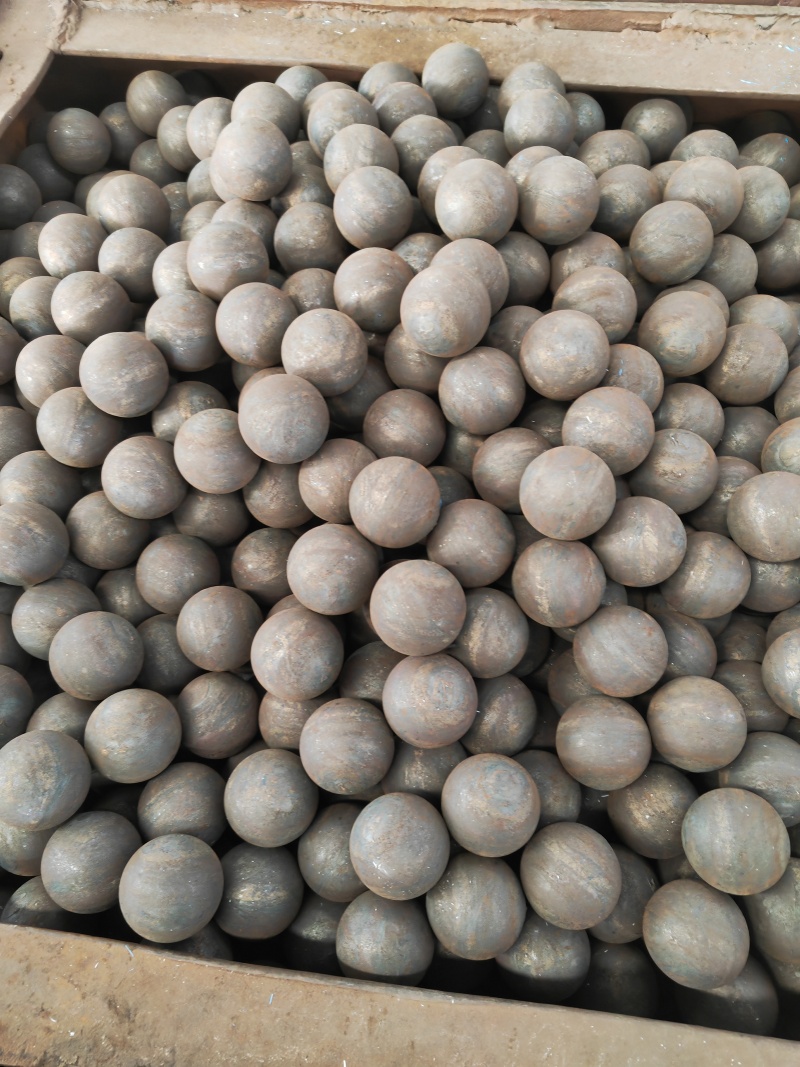
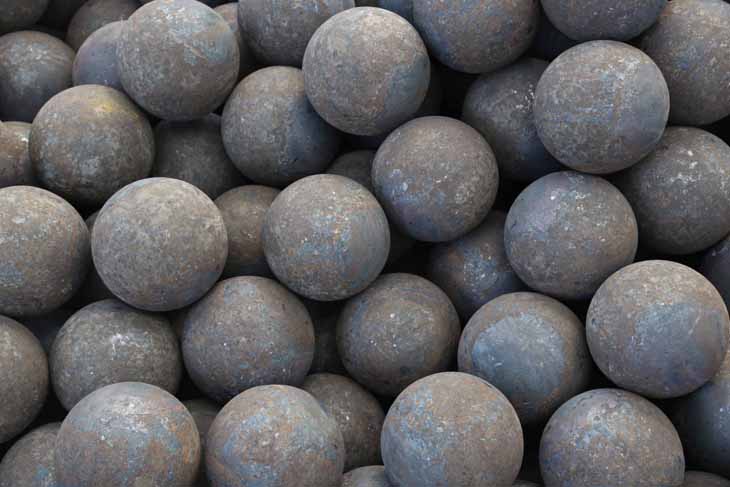
The first step is to define the technical scope before the visit. The buyer should clarify the mill type, ore or clinker characteristics, wet or dry grinding, chamber size, target media diameter, expected consumption, allowable breakage rate, and acceptance test method. A supplier of SAG mill and ball mill grinding media may offer forged grinding balls from 20 mm to 150 mm, cast grinding balls from 6 mm to 150 mm, and grinding rods from 25 mm to 140 mm in lengths from 1,500 mm to 6,000 mm. High chrome cast balls are often used in cement plants and power stations, forged balls are commonly selected for wet mining applications, and cast balls are often used in dry grinding. The final choice should always reflect actual operating conditions, so the audit should begin with a clear written specification.
Desk review: legal identity, history, and certifications
Before travelling to the factory, the audit team should verify the business licence, ownership history, production scope, export experience, quality management system, and third-party inspection arrangements. A long operating history is useful evidence but not a guarantee. For example, Shandong Allstar Grinding Ball Co., Ltd., known as ALLSTAR grinding balls, was established in 1985, was originally a state-owned enterprise, and became a privately operated company in 1999. The company states that it has continued to uphold rigorous management standards and strict quality control practices. It also maintains an ISO 9001 Quality Management System and supports product quality verification through professional testing and third-party inspection services, including SGS, BV, and TÜV. Government recognitions such as High and New Technology Enterprise and Specialized, Sophisticated, Distinctive and Innovative Enterprise can be useful signals, but they should be checked against the actual production and testing system.
Facility and capacity audit
On site, the buyer should confirm the real production area, staffing, equipment list, production lines, heat treatment capacity, laboratory capability, warehouse arrangement, and order backlog. A factory may claim a large annual capacity, but the figure should be tested against equipment, shifts, and material flow. ALLSTAR, for example, operates production facilities covering 15,000 square metres, employs 150 people, and has an annual grinding media production capacity of 100,000 metric tons. These figures are meaningful only when they match the buyer's required sizes, grades, delivery window, and quality level. The auditor should walk the full flow from raw material storage to cutting, forging or casting, heat treatment, finishing, inspection, packing, and container loading. Housekeeping, machine maintenance, calibration labels, batch identification, and worker adherence to instructions often reveal more than a presentation in the meeting room.
undefined
Raw material and process controls
Quality control starts with raw materials. For forged grinding balls and grinding rods, round steel bars are commonly sourced from large state-owned steel mills in China. Upon arrival, incoming materials should be sampled and tested for chemical composition. For cast grinding balls, raw materials such as ferrochrome and iron scrap should be proportioned and melted according to the required product grade, with chemical analysis after melting to confirm that the molten metal meets specification. For forged products, the auditor should examine both air hammer forging and hot-rolling processes. For cast products, advanced coated-sand shell molding and automated production lines can support consistent manufacturing quality. The buyer should trace at least one batch from raw material records through process parameters to final test results. If traceability is weak, performance consistency will be difficult to guarantee.
In-process inspection and final testing
Quality inspection should be carried out throughout the manufacturing process, not only at the end. Samples should be taken from each production batch, and after heat treatment the finished products should undergo further testing for the required quality and performance specifications. The audit team should review hardness distribution, impact toughness, microstructure, dimensional tolerance, surface quality, breakage records, and nonconformance handling. Test methods, equipment calibration, sample retention, and batch release procedures should be examined. Third-party inspection can add confidence, but it should be planned with clear sampling rules and acceptance criteria.
Performance evidence and reference checks
Supplier claims should be supported by operating data. In the mining industry, ALLSTAR high-chrome grinding balls were tested at Pinto Valley Mine in the USA in a comparative trial lasting nearly six months. ALLSTAR consumption remained stable at 0.56–0.59 kg per tonne of run-of-mine ore, with a breakage rate of only 0.2%. The other supplier reached 0.68 kg per tonne, with a breakage rate close to 3%. The mill using the competitor products also recorded more than 70 tonnes per hour lower output and over 5 percentage points lower grinding fineness. The customer later replaced the second mill with ALLSTAR products, and daily processing capacity reached 53,000 tonnes, exceeding the 50,000 tonne design by 3,000 tonnes. More than 48,000 tonnes of ALLSTAR grinding media have reportedly been used at the site. In the cement industry, Turkey YD Madencilik reduced combined grinding-ball consumption from 84.80 g/t in 2016 to 31.93 g/t in 2018 and 25.66 g/t in 2025, about 69.7% below the 2016 baseline. Such references are valuable, but the buyer must confirm that the ore, mill, and operating conditions are comparable.
Trial order and acceptance protocol
The buyer should not scale up from a small sample alone. A trial order should define the quantity, mill, duration, baseline data, measurement method, breakage counting rules, consumption calculation, and acceptance thresholds. Production batch records and third-party reports should be reviewed before and after the trial. Sample retention helps resolve disputes. The commercial comparison should focus on total cost per tonne of material processed, not only price per tonne of grinding media.
Commercial, logistics, and partnership review
The final part of the audit covers payment terms, lead time, packing, labelling, container loading, documentation, after-sales response, and claims handling. A reliable supplier should offer consistent quality, dependable performance, and lower overall grinding costs. ALLSTAR states that its business philosophy is to manufacture high-quality products, be a reliable supplier, and build long-term and sustainable partnerships with clients. The audit should test whether these claims appear in actual records, not only in marketing language. In short, auditing a China grinding ball factory is a structured verification of requirements, materials, process, testing, references, trial performance, and commercial reliability. Strong certifications and case studies are useful, but the buyer should still verify them against its own grinding conditions before ordering.


